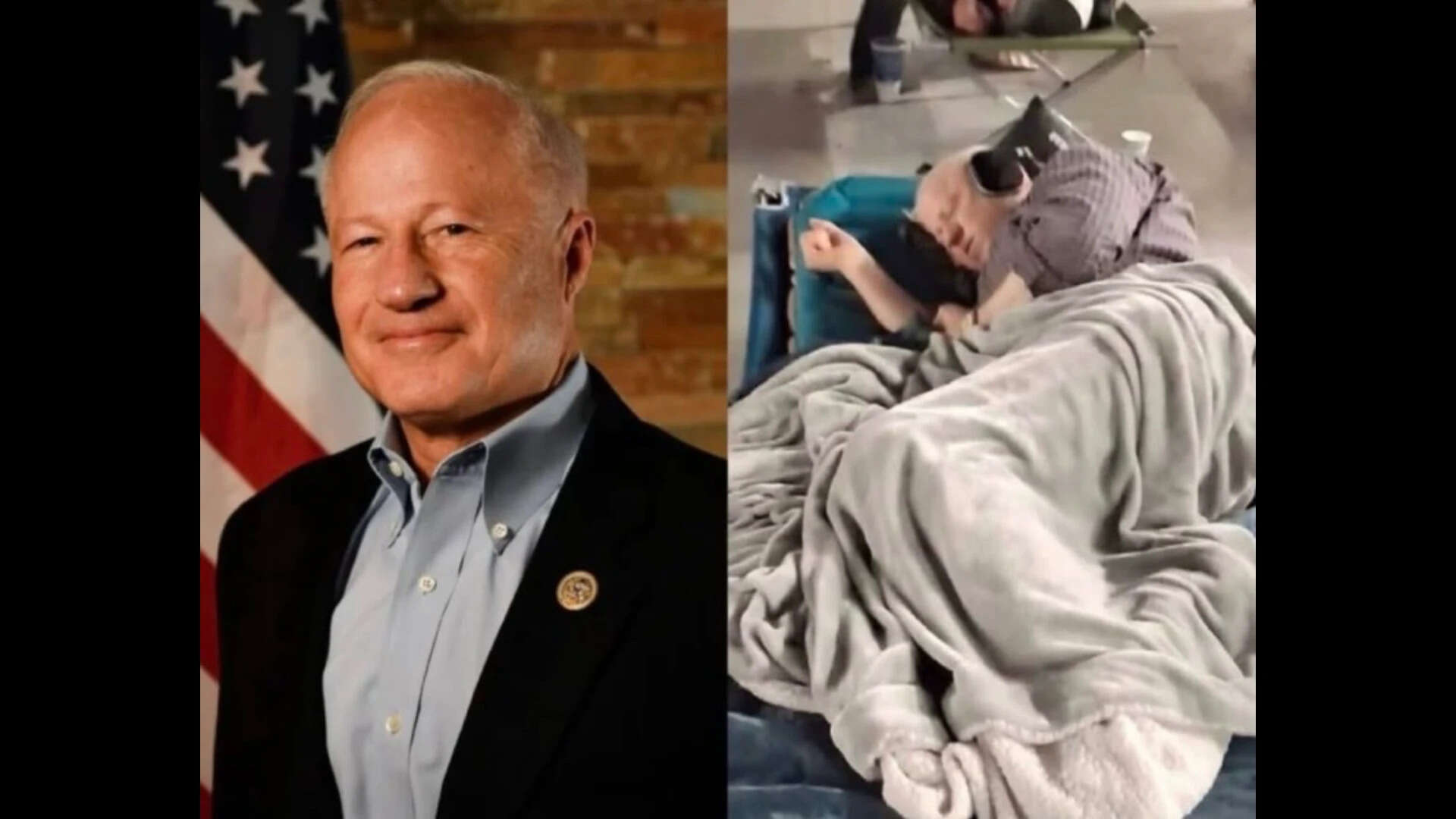
Most politicians clock out on Friday afternoon, head home to comfort, and forget about the city's problems until Monday morning. Mike Coffman does something entirely different.
The 71-year-old mayor of Aurora, Colorado, packs almost nothing, leaves City Hall behind, and checks into a local homeless shelter. He spends the night on a basic cot in the congregate men's dorm, wakes up early, and serves breakfast to the residents on Saturday morning before returning to his official duties.
It sounds like a PR stunt on paper. In reality, it is a relentless exercise in accountability that is forcing a veteran politician to completely rethink urban poverty.
What It Is Actually Like Inside the Aurora Regional Navigation Center
The venue for this weekly routine is the Aurora Regional Navigation Center (ARNC), a massive transitional facility housed in a former hotel. The facility operates on a tiered incentive model. Tier One provides basic emergency shelter where dozens of men sleep inches apart on metal cots. Tier Two requires engagement with case managers, while Tier Three bridges toward long-term employment and independent housing.
Coffman purposely checks into Tier One. He wears his everyday clothes, accepts a standard issue blanket, and takes whatever open spot is available.
It is far from comfortable. Coffman has openly admitted that the first few nights were miserable. The room is loud, filled with the noise of dozens of men shifting around, coughing, and even dogs barking in the middle of the night. When a photo of him wearing industrial earplugs went viral, social media critics pounced, arguing that he had an easy escape hatch unavailable to actual residents.
Coffman took the criticism in stride. He acknowledged that the noise is deafening at first, but insisted that staying there is the only way to catch operational failures that never make it onto a spreadsheet. When plumbing breaks, ventilation fails, or intake bottlenecks occur, the mayor feels it directly.
The Evolution of a Politician
This is not Coffman's first time playing urban anthropologist. Back in 2021, while serving his mayoral term, he spent an entire week living undercover on the streets of Aurora and Denver under the moniker "HomelessMike," sleeping under a tarp as winter temperatures plummeted.
During that 2021 experiment, he made a statement that ignited a massive firestorm. He publicly called homelessness "a lifestyle choice". The backlash was swift and severe. Critics accused him of blaming vulnerable people for systemic failures, lack of affordable housing, and mental health crises. Coffman later tried to clarify that he meant people choose between sleeping in shelters or braving the elements outdoors, but the damage to his reputation lingered.
Fast forward to the current weekly overnight stays, and his tone has shifted profoundly. Months of waking up on a shelter floor alongside men battling severe economic displacement changed his perspective. He stopped looking at the issue through a purely bureaucratic lens. Spending Friday nights talking face-to-face with people who lost everything due to medical debt, job loss, or family breakdown revealed a harsher, more fragile reality.
"One thing I learned is just how easy it is to lose your housing," Coffman noted after months of recurring stays.
Why Weekly Stays Matter More Than Policy Reports
Elected officials love data dashboards. They review spreadsheets, listen to filtered presentations from department heads, and vote on funding bills from a safe distance. None of those methods capture human friction.
By embedding himself in the shelter weekly, Coffman performs real-time quality control. He evaluates whether the facility's complex tier system actually helps people move forward or traps them in a holding pattern. When residents realize he is not just a drive-by visitor, their guard drops. They tell him what is broken with case management, where the food service falls short, and what resources they desperately need to secure permanent work.
Most shelter guests are initially shocked to find the city's mayor standing behind the breakfast counter handing out eggs. One resident famously asked him for his backstory, assuming he was just another guy trying to get back on his feet. When he replied that he ran the city, the confusion turned into candid dialogue. That kind of unfiltered feedback loop is impossible to manufacture inside a conference room.
What Other Cities Can Learn From This Approach
Urban homelessness is a compounding crisis across the United States, and standard political responses usually involve sweeping encampments or arguing over zoning laws. Aurora's experiment proves that proximity changes policy.
You cannot solve a crisis you refuse to look at. When leaders subject themselves to the exact environment their constituents endure, complacency dies.
If local governance is going to fix housing instability, elected leaders need to step away from their desks. Put down the briefing packets, experience the noise, eat the food, and listen to the people sleeping on the floor. Accountability starts the moment you stop insulating yourself from reality.