The recent airstrikes on the Abu al-Duhur military airbase in Idlib are not just another headline in a long-running conflict. They are a loud, unambiguous signal. While official channels trade statements about "sovereignty" and "regional stability," the reality on the ground points to a much sharper geopolitical game involving Damascus, Ankara, and Tel Aviv.
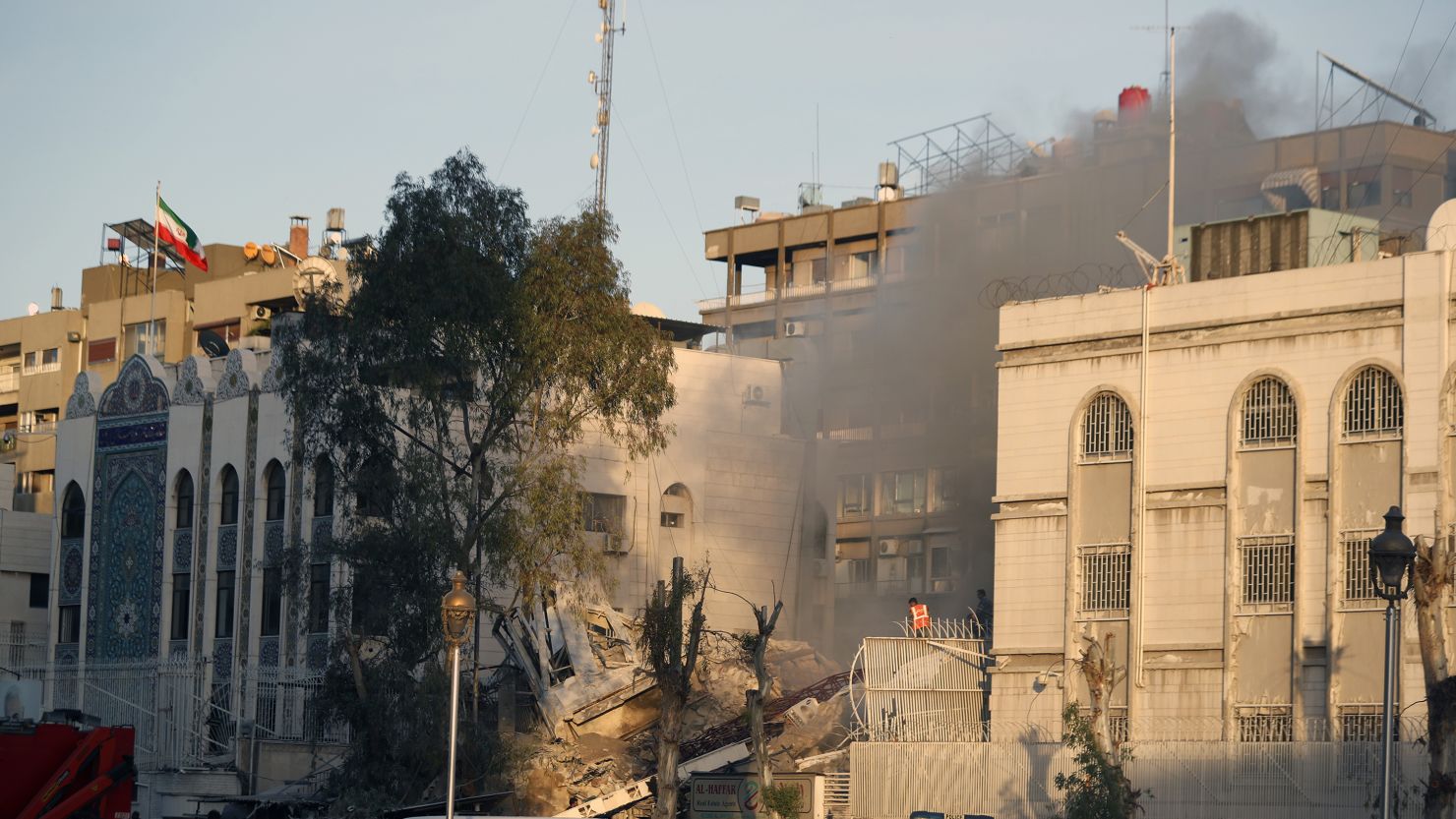
On August 18, 2026, eight separate strikes hit the runways of this long-contested facility. For years, the base has been a ghost of the Syrian civil war, changing hands between rebel factions and the forces of the former Assad regime. Its recent rehabilitation efforts by Turkish-backed elements made it an obvious target. When you look at the timing—just hours after a Turkish military delegation toured the site to discuss restoration—the message becomes clear. This wasn’t an act of random aggression. It was a surgical strike designed to stop Ankara from anchoring its influence in northern Syria.
Why this base matters
The Abu al-Duhur airfield isn't just a patch of cracked concrete. It’s a strategic gateway. Since the collapse of the Bashar al-Assad government in December 2024, the power vacuum in Syria has invited new actors to try their hand at rebuilding the nation's military infrastructure. Israel, however, has been consistent in one goal: preventing the re-emergence of a functional, conventional Syrian military that could pose even a remote threat.
I’ve followed these regional flare-ups long enough to know that Israel doesn't strike empty runways by accident. The pattern is documented. Back in April 2025, when Turkey began similar talks to establish a presence at the T4 military airbase in Homs, the response was identical—a precision strike to render the facility unusable.
The strategy is simple and brutal. By targeting the runways, Israel prevents Syria from ever getting an air force back into the sky. It keeps the new authorities in Damascus on the back foot, forced to focus on internal reconstruction rather than regional power projection.
The US perspective
Washington’s involvement here is worth examining, though not for the reasons you might think. Special Envoy Tom Barrack went public on social media almost immediately, calling the attack an "unnecessary escalation" and urging a return to "logical discourse."
It’s easy to dismiss this as standard diplomatic boilerplate. But it shows the friction between the US and Israel regarding the post-Assad landscape. The US wants a stable, manageable transition in Damascus to avoid further chaos. Israel, conversely, views the rebuild as a potential long-term security risk. When an ally like the US publicly rebukes these strikes, it tells you that the "shared" intelligence and strategy between the two countries isn't as unified as it appears in formal press releases.
What is happening on the ground
Don't get distracted by the noise. The Syrian Foreign Ministry’s condemnation is expected. It’s the ritual dance of every state facing such a strike. What’s more interesting is the lack of casualties. The objective here was purely kinetic and psychological. It’s about asset denial.
If you look at the broader regional theater, this strike is a warning to Ankara that its "peacekeeping" or "reconstruction" efforts in Syria will have a ceiling. Turkey is trying to turn these bases into regional hubs. Israel is systematically pruning those aspirations before they can become permanent.
What this means for the region
The situation is volatile, but it’s not necessarily moving toward a wider war today. Everyone involved—the new Damascus leadership, Ankara, and even Washington—is trying to avoid a total collapse of the current fragile peace. Israel is operating on the assumption that if it hits hard enough and often enough, the cost of rebuilding Syrian military infrastructure will become too high for any foreign partner to bear.
Here is what you should watch for in the coming weeks:
- Turkish Retaliation: Ankara will likely issue more condemnations, but watch for shifts in how they transport personnel or equipment to their remaining outposts in the region.
- Syrian Reconstruction Pace: If the new government in Damascus pulls back from restoring other airfields, it’s a clear sign that the Israeli message was received.
- Diplomatic Backchannels: Despite the public posturing, look for the quiet, behind-the-scenes meetings where the real "logical discourse" actually happens.
This isn't about one base in Idlib. It’s about the fact that the Syrian conflict is entering a phase of institutional warfare. The guns of the civil war may have fallen silent for the most part, but the war for control over the future of the Syrian state is only just beginning. Keep an eye on how these actors navigate the next few months; the map of regional influence is being drawn right now, one crater at a time.