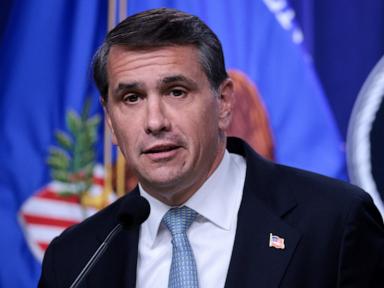
Politics moves fast, but Washington leverage moves faster. When Todd Blanche took the hot seat to lock down his confirmation, everyone wanted to talk about one thing. The infamous $1.8 billion fund designed to compensate political allies was the elephant in the room. Blanche insisted it was dead, but lawmakers weren't buying verbal promises alone.
If you've followed high-stakes political nominations, you know that spoken assurances carry little weight when millions of dollars and institutional power hang in the balance. Senators wanted ink on paper. What followed was a masterclass in legislative arm-twisting that ultimately forced the Justice Department to formally pull the plug.
The Anatomy of a Senate Standoff
Let's be honest about why this nomination became such a massive bottleneck. Republican Senators Thom Tillis and John Cornyn refused to budge on their votes. They drew a hard line, making it clear that Blanche's permanent seat as Attorney General was going nowhere without a formal, written retraction of the proposed payout scheme.
The proposed program—stemming from a settlement between President Trump, the IRS, and the Treasury Department—aimed to address perceived government overreach. Critics immediately labeled it a slush fund. Lawmakers worried about who might qualify, including individuals caught up in the January 6 Capitol riot investigations.
Pressure mounted from all sides. A federal judge in Miami threw cold water on the broader legal maneuvers, finding that parts of the original lawsuit were pursued for improper purposes. Federal courts were stepping in, lawsuits were piling up, and the Senate was threatening to stall key legislative priorities over the dispute.
Getting It in Writing
Verbal declarations during a committee hearing sound nice for television cameras, but they don't hold up when legal agreements suggest otherwise. Cornyn pointed out the glaring loophole during questioning, noting that the original settlement text required written agreement from all parties to modify terms.
Blanche eventually issued a formal order explicitly terminating the program. The order reads clearly: no members were appointed, no funds were transferred, no claim process ever opened, and the entire concept holds zero legal force.
Yet skepticism remains deeply rooted. Legal analysts pointed out that executive orders and unilateral agency reversals can sometimes face future challenges depending on how the underlying settlement is interpreted. That's why the standoff dragged on for weeks. Senators didn't just want a headline; they wanted a bulletproof paper trail that prevented the initiative from crawling out of its grave later.
What This Means Moving Forward
The death of the payout program clears the runway for leadership stability at the Department of Justice, but it leaves lingering questions about executive settlements and congressional oversight. When the executive branch tries to bypass traditional appropriations through settlement funds, expect Congress to push back hard every single time. Power struggles between Capitol Hill and the executive branch rarely end quietly.
Keep a close eye on how future settlement agreements are structured. Lawmakers on both sides of the aisle just drew a bright red line around using agency settlement funds for independent compensation programs.
‘Anti-Weaponization Fund’ is ‘dead,’ according to President Donald Trump. He still wants payouts.
This video provides additional context on the administration's stance and the ongoing debate surrounding the targeted compensation fund.
http://googleusercontent.com/youtube_content/1