Courts recently heard stark arguments over whether an accused shooter tied to the March U.S. Consulate attack deserves freedom. Crown prosecutors drew a hard line in a Superior Courtroom, pushing back against the release of suspects implicated in a high-stakes investigation that has shaken public safety across Toronto.
When gunfire struck the American diplomatic building back on March 10, it wasn't just a random act of vandalism. It signaled an escalating wave of targeted violence involving underground networks hiring young people to pull triggers for cash. Understanding how these court proceedings unfold sheds light on the complex mechanics of modern Canadian criminal trials and public security.
Inside the High Stakes Courtroom Drama
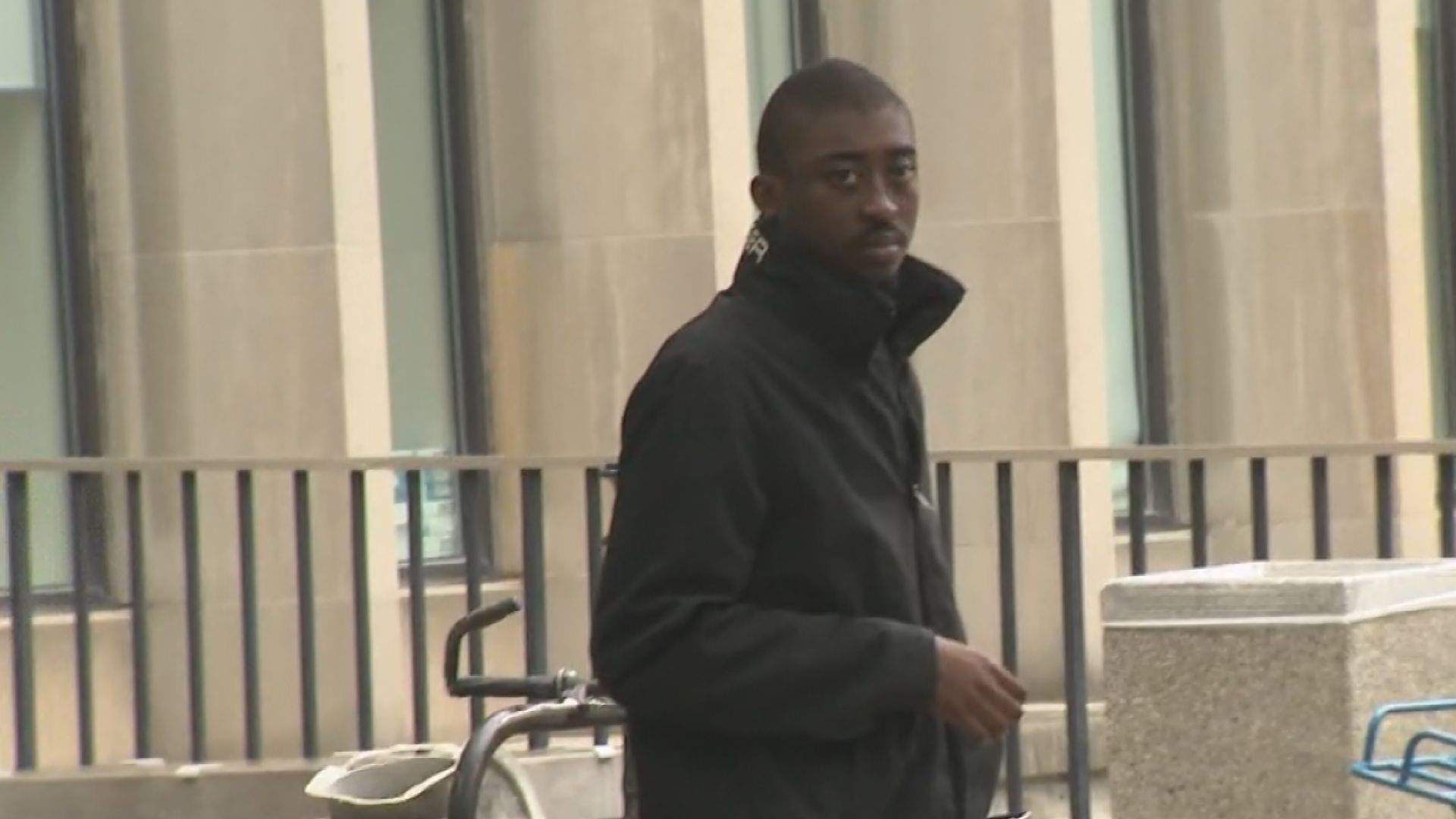
The legal maneuvering centers heavily on the case of 19-year-old Zara Jabbi, who faced sharp opposition from state prosecutors during a crucial bail review. Arrested in mid-June, Jabbi stands accused of multiple serious offenses linked to the string of targeted violence. Prosecutors argued fiercely that releasing individuals connected to international or organized gun-for-hire conspiracies poses an unacceptable risk to the community.
Bail hearings for violent crimes rarely go quietly. Defense teams argue for release conditions, while the Crown points to weapons recovery data and ongoing public safety threats. Police investigations revealed that the firearms used in these attacks traced back across the border, adding cross-border urgency to local court dockets.
The Gun For Hire Reality Behind the Headlines
Toronto Police Chief Myron Demkiw laid bare a disturbing reality during public updates on the case. Investigators discovered a network where young operatives are recruited through encrypted messaging apps. They get paid to commit violent acts and record the carnage for proof.
Look at the numbers. Police linked weapons recovered during related pre-dawn raids to dozens of shooting incidents across the Greater Toronto Area. A 9 mm handgun tied into the network appeared in at least six separate shootings, while a .45-caliber handgun surfaced in 21 distinct incidents. These aren't isolated teenage pranks. They are symptoms of an industrialized contract-shooting pipeline operating right in our neighborhoods.
The Ripple Effects on Law Enforcement
The fallout from the March consulate attack extends far beyond the physical building on University Avenue. The broader investigation exacted a devastating human toll on the police force itself. During a series of high-risk pre-dawn raids tied to the gun-for-hire probe, veteran Toronto Police Constable Marc Pinizzotto was shot and killed.
Another suspect, 19-year-old Nicolas Bennett, remains in custody charged with first-degree murder in connection with the officer's death. This tragedy fundamentally altered how authorities approach every aspect of the consulate investigation. The stakes in the courtroom skyrocketed because officers lost a colleague while tracking down the very networks responsible for the diplomatic site attacks.
What Happens Next in the Judicial Process
As these legal battles continue, judges face intense pressure to balance constitutional rights with public safety imperatives. The Crown maintains that pre-trial detention remains necessary given the gravity of the charges and the persistent risk of reoffending. Expect tighter scrutiny on release orders, especially when defendants have prior compliance failures on their records.
Review your local news sources and court schedules to track upcoming trial dates and verdict announcements as the justice system works through these complex indictments.