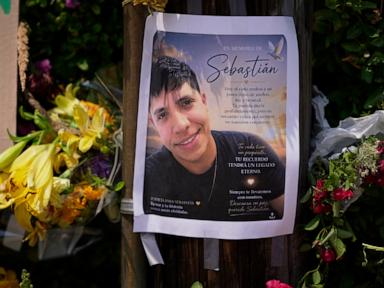
The tragic death of Johan Sebastián Durán Guerrero wasn't just an isolated incident in a quiet Maine town. It was a failure of intelligence that has left the public searching for accountability. On July 13, in Biddeford, Maine, an ICE agent ended the life of a 25-year-old Colombian national during an operation that was, by all accounts, fundamentally flawed.
New information has surfaced that makes a grim situation even worse. Representative Chellie Pingree recently disclosed during a hearing that the actual target of the operation wasn't the man who was shot. It wasn't even someone under a final order of removal.
The gap between official narratives and reality
For weeks, the public has been fed a specific story. Federal agencies suggested the operation was a standard enforcement action focused on an individual with a final order of removal. But that narrative is crumbling.
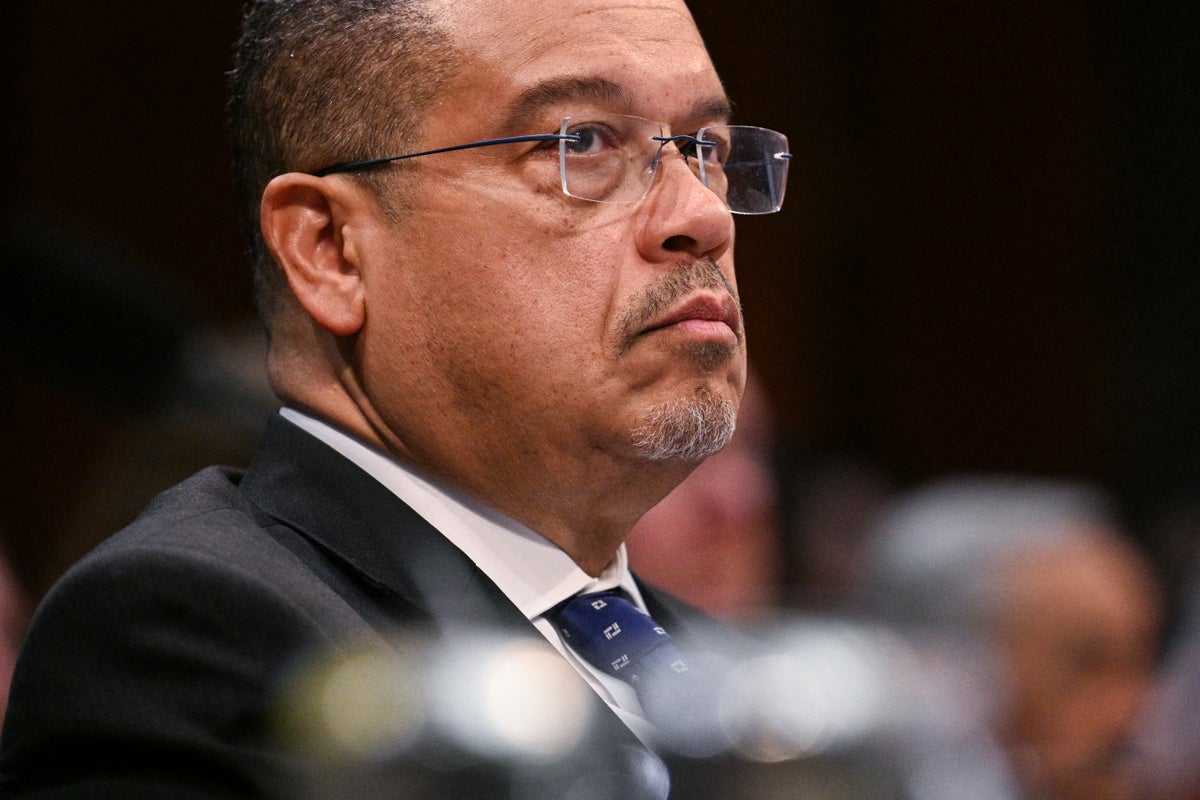
Pingree’s revelation highlights a massive disconnect. She stated that the intended target of the surveillance was actually Durán Guerrero’s roommate, who owned the car the victim was driving. Perhaps most disturbingly, even that roommate was not subject to a final removal order. This detail isn't just bureaucratic red tape; it’s a critical failure in the agency's internal process.
When federal agencies operate with limited transparency, trust evaporates. We are looking at a scenario where a man with a valid work permit and a pending asylum case was caught in the crosshairs of an operation that shouldn't have been happening the way it did. Johan Sebastián Durán Guerrero should be alive today. That isn't just a political talking point. It is a fundamental truth that remains obscured by the lack of clear answers from the Department of Homeland Security.
Why this case matters in 2026
You might wonder why a single shooting in Maine is making such waves. It’s because the incident exposes how federal agents are being deployed in local communities.
When ICE conducts "targeted surveillance" based on faulty intel, the stakes aren't just legal—they are lethal. The agency claims it won't disclose "law enforcement sensitive intelligence," but that excuse is wearing thin for many citizens who want to know how these decisions are made.
Consider the following:
- The victim was not the target.
- The person ICE was actually looking for was not under a final order of removal.
- The officer involved is now under investigation for his use of force and history of behavioral issues.
These facts aren't just anecdotes. They represent a pattern of high-stakes errors that demand rigorous oversight. We’ve seen similar incidents elsewhere, such as the shooting in Houston, which also involved individuals who were not the intended subjects of federal operations. The lack of cooperation with local prosecutors in these cases suggests a system that values secrecy over accountability.
What happens next
If you are following this story, don't wait for the agency to offer up the truth on its own. The Maine Attorney General’s office is still conducting an investigation. That is the only place where the public might get a modicum of transparency.
What can we actually take away from this?
- Demand clarity on rules of engagement. The policy shift to pause vehicle stops following these incidents shows that federal agencies are reactive rather than proactive when things go wrong. Watch for how those policies are enforced—or ignored—in your local area.
- Follow the local investigation. National narratives often get bogged down in partisan rhetoric. The truth usually hides in the local reports, court filings, and the findings of the Maine Attorney General’s office.
- Engage with local representation. Lawmakers like Pingree are finally putting public pressure on the administration. If this issue matters to you, your local representative needs to hear it. Silence is how these stories disappear from the news cycle.
We aren't talking about "statistics." We are talking about human lives disrupted by deep systemic errors. The coming months will determine whether this results in actual policy change or if it simply becomes another headline we eventually scroll past. Stay informed on the local findings. Do not accept "sensitive intelligence" as a catch-all excuse for a lack of accountability.
This video provides essential context on the shift in federal policy following the fatal shooting and the subsequent public outcry in Maine.
http://googleusercontent.com/youtube_content/1