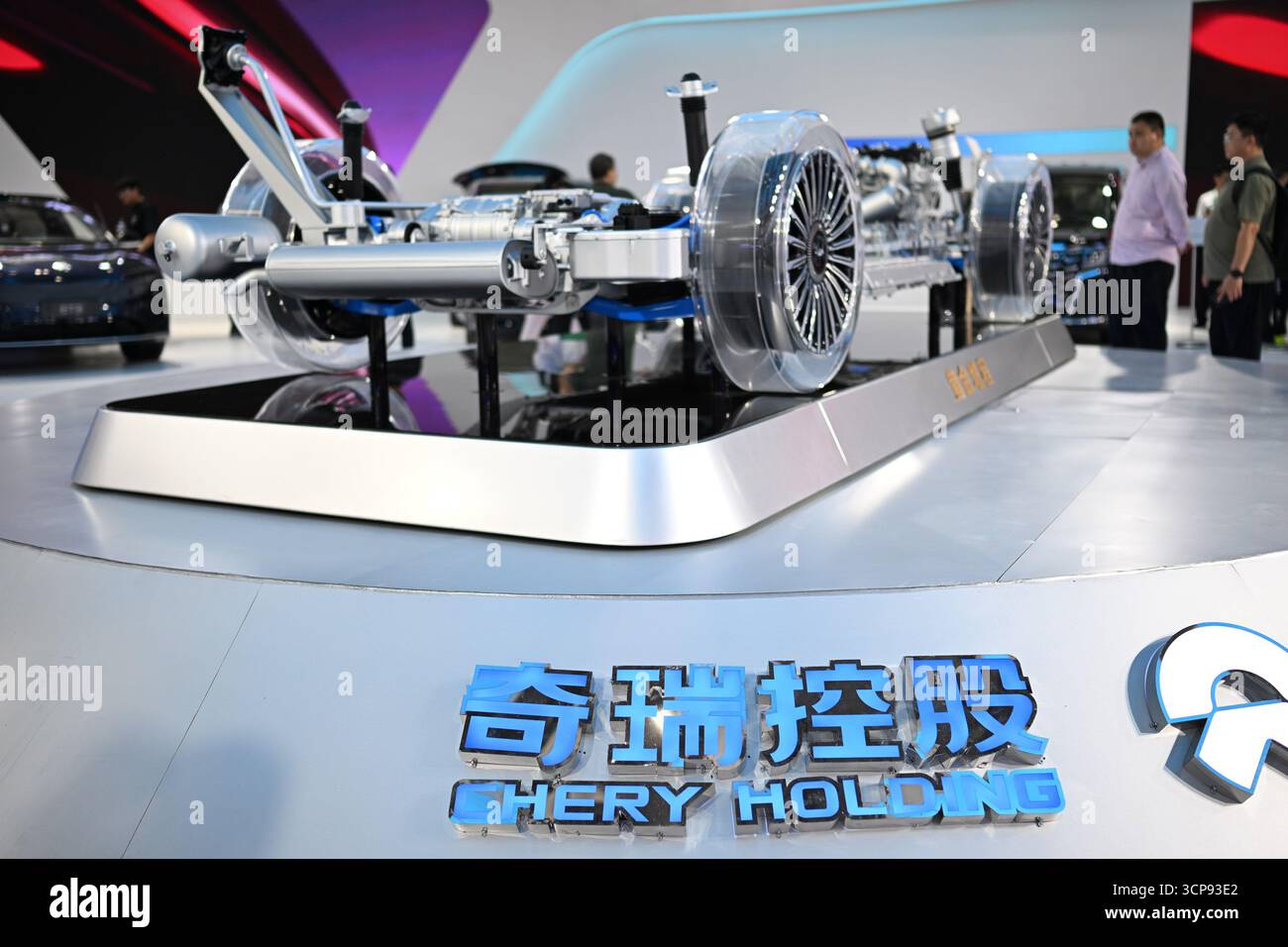
The automotive industry in Britain is shifting beneath our feet. For years, we watched as legacy brands navigated the transition to electric powertrains while battling shrinking margins. Now, the real story is the silent, calculated arrival of Chinese giants. Chery just announced it is opening a brand-new research and development center at the UTAC Millbrook proving ground in Bedfordshire. This isn't just a PR stunt. It’s a signal.
If you’ve been paying attention to the UK car market, you’ve noticed the Omoda and Jaecoo badges popping up everywhere. These brands, under the Chery umbrella, jumped from holding about 3% of the UK market last year to a staggering 8% this July. That kind of growth doesn't happen by accident. It happens because they’re selling cars people actually want at prices that make European competitors sweat. But bringing cars over from China is only half the battle. To win the long game, you have to understand the customer. That is exactly what this new Bedfordshire facility is for. Don't miss our previous article on this related article.
Why local R&D matters
Why would a global manufacturer spend millions setting up shop in Bedfordshire when they already have massive engineering hubs in China? It’s simple. British roads, weather patterns, and driving habits are unique. You can design a car in a lab, but it won't feel right on a potholed A-road or in the relentless rain of a Scottish winter.
By basing themselves at UTAC Millbrook—a site already stuffed with 70km of specialized test tracks—Chery engineers are going to tune chassis dynamics, steering, and suspension specifically for the UK. They’re effectively "British-tuning" their vehicles to erase that feeling of a "cheap import." When your car handles like a local, you stop being an outsider. To read more about the history of this, Business Insider provides an excellent breakdown.
The bigger play for local manufacturing
Don't ignore the context here. This R&D center is one piece of a much larger puzzle. Chery has already moved to explore a deal with Nissan to potentially manufacture their vehicles at the Sunderland plant starting in 2027. Think about that for a second. We are potentially looking at Chinese-branded, British-built cars coming off the lines in the North East.
The strategy is clear:
- Enter the market with high-tech, aggressively priced imports.
- Gain massive market share and brand recognition.
- Build locally to avoid tariffs, shorten supply chains, and gain the "Made in Britain" stamp.
This sequence is a masterclass in modern international business. It turns the traditional model—where foreign companies are treated as temporary guests—on its head.
The tech angle
The initial focus at the new center will be chassis and Advanced Driver Assistance Systems (ADAS). But look at the long-term plan. They’ve already signaled that the facility will eventually pivot toward autonomous driving and artificial intelligence.
Why does this matter? Because software is the new engine. If Chery can bake its own AI and autonomous features into its UK lineup using local engineers who understand the local regulatory and infrastructure environment, they’ll leapfrog rivals who are still trying to patch together legacy software stacks.
What this means for you
If you’re a consumer, this is great news. The "Temu Range Rover" jokes about the Jaecoo 7 might persist for a while, but competition is the best driver of quality. When a brand decides to invest in a physical R&D hub, they are committing to your market. It’s an admission that they aren't here for a quick profit—they’re here to stay.
Expect to see a tighter feedback loop between what you complain about in owner forums and the actual hardware updates you see in next year's model. That’s how real market capture happens. It’s not just about selling cars; it’s about becoming part of the local engineering ecosystem.
The UK automotive landscape is currently undergoing a painful, necessary renovation. Legacy players have to wake up. Chery isn't asking for permission to disrupt the status quo—they're just moving in.
Next time you see an Omoda on the road, don't just see a budget import. Look at it as the first sign of a massive, permanent shift in how British cars are designed, built, and sold. The next three years are going to be wild. Keep an eye on the Sunderland developments and the staffing announcements at the new Bedfordshire hub. That’s where the real power dynamic is shifting.