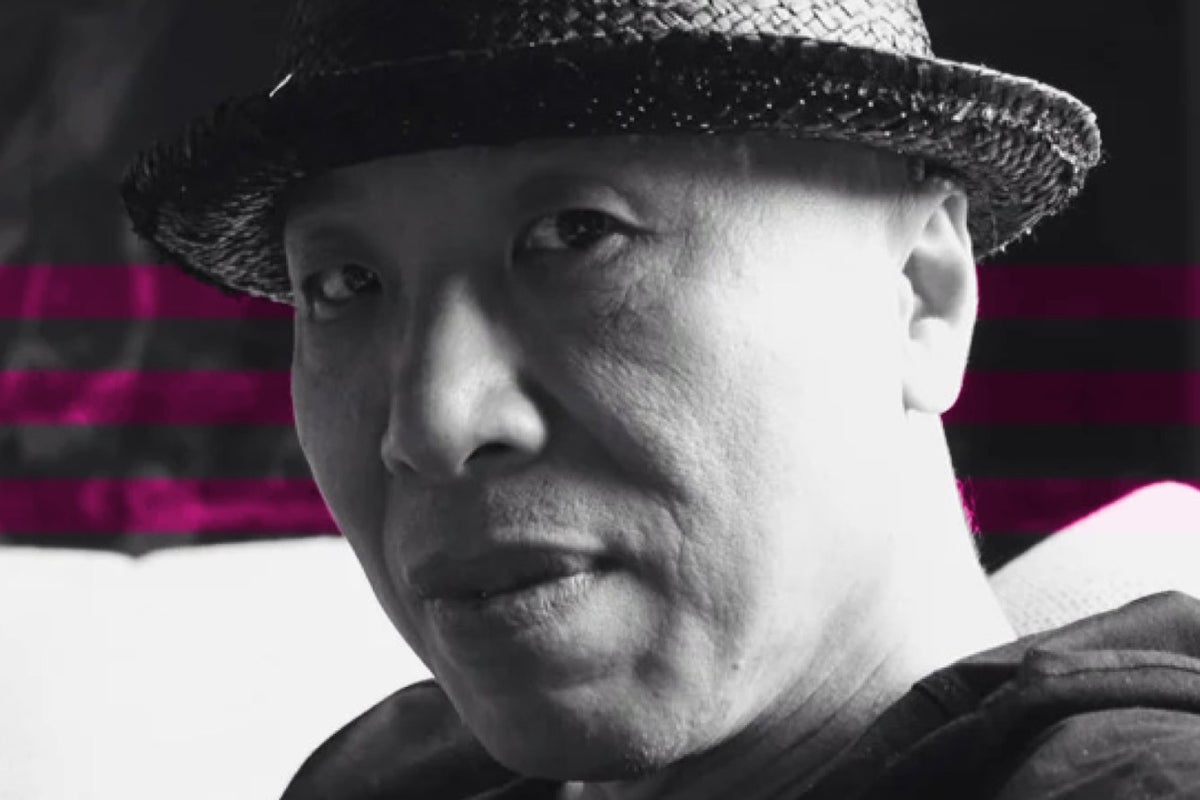
Art is supposed to challenge power, but sometimes power writes the final stroke with a prison sentence. Gao Zhen, a 70-year-old artist and US permanent resident, just received a three-year prison sentence from a court in Hebei province. His crime? Creating satirical sculptures of former Chinese leader Mao Zedong over a decade before the law used to convict him even existed.
If you think this is just another routine legal dispute, you are missing the bigger picture of how creative expression is currently being policed across borders. Gao’s case exposes a chilling reality for international artists, proving that political memory in some regions comes with a ticking clock and a retroactive penalty. For an alternative perspective, consider: this related article.
The Sculptures That Sparked an Arrest
Gao Zhen and his brother, Gao Qiang, known globally as the Gao Brothers, spent decades producing provocative pieces examining the turbulent legacy of the Cultural Revolution. Their work was never subtle. One of their most famous creations, Mao's Guilt, depicts the former leader kneeling in quiet repentance on the floor. Another series, Miss Mao, features caricatured busts of Mao outfitted with exaggerated features.
These pieces were sculpted between 2005 and 2009. During that era, contemporary art spaces in China experienced a period of relative experimental openness, allowing boundary-pushing creators to exhibit controversial themes both locally and internationally. Gao eventually relocated to the United States, obtaining permanent residency. He thought he could safely visit his birthplace in August 2024. He was wrong. Security forces detained him immediately upon arrival, sealing his studio near Beijing and holding him through two years of grueling pre-trial detention. Further reporting on this trend has been shared by The Guardian.
The Dangerous Precedent of Retroactive Law
The legal mechanism behind Gao's conviction is China's Law on the Protection of Heroes and Martyrs, which officially came into force in March 2018. Applying a 2018 statute to artworks created more than ten years prior violates basic principles of legal fairness. Legal experts and human rights monitors point out that using an ex post facto enforcement strategy turns history into a moving target.
When authorities can criminalize past actions under newly minted legislation, nobody's creative archive is safe. Rights organizations like Amnesty International and various independent monitoring groups have condemned the maximum three-year sentence as an explicit warning to any creator thinking about questioning official historical narratives.
Collective Punishment and Family Turmoil
The impact of Gao's imprisonment extends far beyond his cell walls in Hebei province. His wife, Zhao Yaliang, and their young son—who is a US citizen—have been trapped under strict exit bans since the initial arrest in 2024. They were barred from leaving the country while Gao endured failing health in custody, suffering from chronic respiratory, knee, and back issues, alongside severe heatstroke during the summer months.
Confined to a detention center, Gao reportedly passed the time by crafting intricate paper cuttings, maintaining a sharp mental focus despite physical deterioration. Yet, the psychological toll on his family highlights an increasingly common state tactic: holding relatives as collateral to silence international advocacy.
Gao plans to appeal the verdict, though legal analysts give it slim odds in a judicial system tightly aligned with political directives. His trial and conviction demonstrate that creative freedom practiced abroad offers no insulation if you step back across the border.