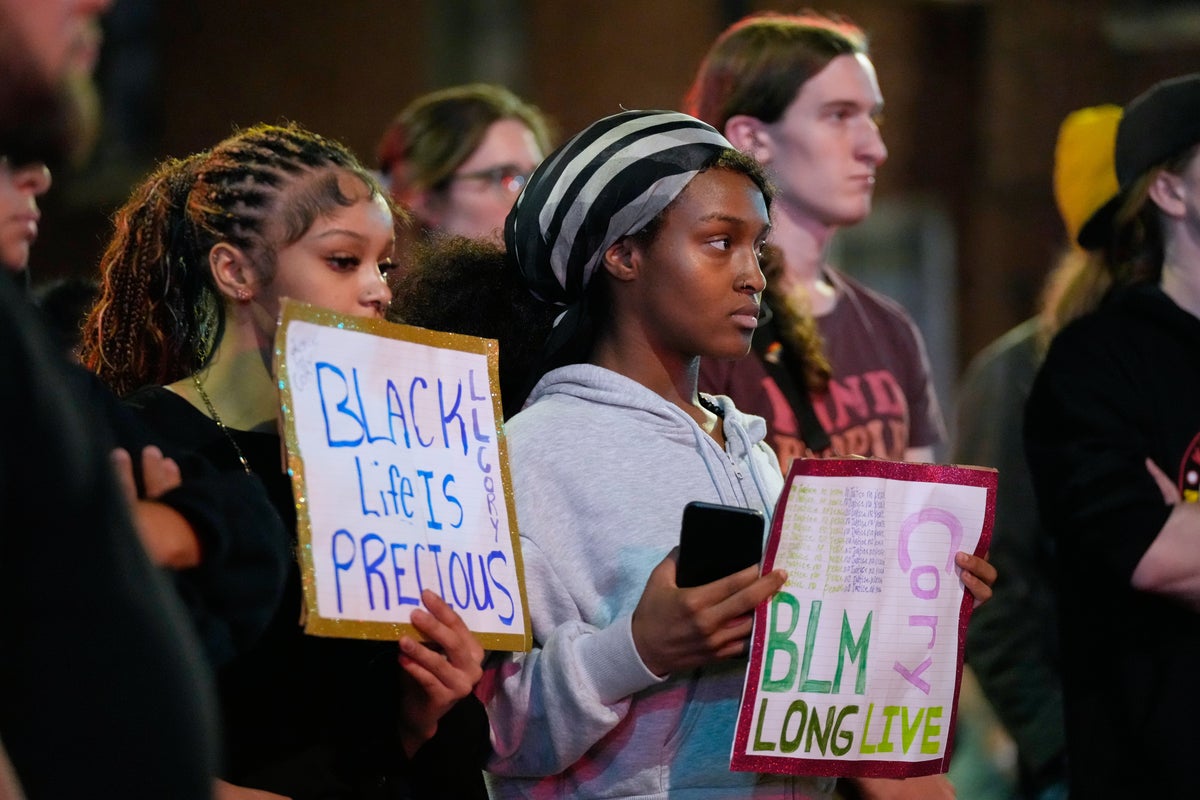
On a sunny Wednesday afternoon on Madison’s east side, a police call about someone checking door handles on parked cars turned into a fatal shooting that has brought hundreds of protesters to the Wisconsin State Capitol.
A police officer shot and killed a man in his 30s at the intersection of Williamson and Baldwin streets. Within hours, bystander video spread across social media feeds. Crowds gathered on the pavement. A summer concert at the Capitol Square was shut down as protesters took the stage to demand answers.
If you're watching this unfold and trying to make sense of why a city renowned for progressive politics erupted so fast, you aren't alone. Understanding what happened on Williamson Street requires looking beyond a single police press conference or a 15-second social media clip.
What Actually Happened on Williamson Street
Police received a call around 1:00 p.m. reporting that someone was trying to enter parked cars in the Marquette neighborhood on Madison’s east side.
According to Madison Police Chief John Patterson, officers attempted to make contact with the suspect, who then fled on a bicycle through nearby backyards. Officers caught up with him near the intersection of Williamson and Baldwin streets.
That’s where the encounter turned violent.
Patterson stated that during a physical struggle on the ground, the man pulled out a fixed-blade knife and wounded an officer. One officer tried to use a Taser to subdue him, but the device failed to stop the confrontation. Moments later, a veteran police officer fired three shots at close range.
The injured man was taken to a nearby hospital, where doctors pronounced him dead. The officer who fired the fatal shots suffered knife wounds, while a second officer sustained minor injuries. Two other officers present at the scene were uninjured. Per department policy, all four officers were placed on administrative leave while the Division of Criminal Investigation at the Wisconsin Department of Justice conducts an independent inquiry.
The Video Evidence That Shook the City
Within minutes of the shooting, bystander videos recorded from nearby cars and sidewalks hit platforms like X and Instagram.
The footage shows traffic halted at a busy neighborhood intersection lined with cafes, restaurants, and apartments. Three officers can be seen wrestling with the man on the pavement, trying to pin his arms behind his back.
As the struggle continues, the man frees his arms and attempts to push himself off his knees. A female officer rushes in shouting warnings about a Taser. Seconds later, an officer stands up, draws a handgun, leans down toward the suspect, and fires three rapid shots.
The chief urged the public to remember that cellphone video only captures a narrow slice of an incident. But for residents watching the footage, the visual of an officer shooting a man at point-blank range while surrounded by other officers provoked immediate outrage.
Why Historical Trauma Matters in the Marquette Neighborhood
To understand the intense community reaction, you have to know where this happened.
Williamson Street isn't just any commercial corridor in Madison. In 2015, a white Madison police officer shot and killed Tony Robinson, an unarmed 19-year-old biracial man, on the very same street. That shooting sparked weeks of demonstrations across the city and sparked long-running debates over police accountability, racial equity, and police tactics in Dane County.
The prosecutor in 2015 eventually declined to file criminal charges against the officer, finding the use of force legally justified. That decision left deep scars among local community organizers and residents.
Chief Patterson acknowledged this history during his evening press briefing. He noted that the shooting occurred in a neighborhood that has experienced substantial trauma around policing in the past.
When community advocates heard that another Black man had died at the hands of police on Williamson Street, that history immediately resurfaced. Brandi Grayson, leader of the local advocacy group Urban Triage, pointed out that the community witnessed another death on their streets before authorities even publicly released the man's identity.
From the East Side to the State Capitol
Angry crowds began gathering at the intersection of Williamson and Baldwin shortly after the tape began circulating online.
People brought flowers and lit candles at the site of the shooting, creating an impromptu memorial on the sidewalk. As the crowd grew to hundreds of people, marchers moved toward the Wisconsin State Capitol building less than two miles away.
Wednesday evening happened to coincide with Concerts on the Square, a popular summer outdoor music event hosted on the Capitol grounds.
Protesters marched directly onto the square, chanting slogans and carrying signs demanding accountability for the officers involved. Some demonstrators walked up to the performance stage, grabbed microphones, and addressed the audience. Many concertgoers clapped or raised their fists in solidarity.
Organizers with the Wisconsin Chamber Orchestra ended up canceling the remainder of the performance as the demonstration filled the lawn.
Misconceptions surrounding Officer-Involved Shooting Investigations
When a fatal police shooting occurs, public speculation often fills the information void. Separating procedural realities from rumor helps put the ongoing investigation into context.
Myth 1: The Madison Police Department investigates its own officers
Wisconsin state law requires an independent outside law enforcement agency to conduct the primary investigation whenever an officer-involved incident results in death or severe injury. In this case, the Division of Criminal Investigation (DCI) within the Wisconsin Department of Justice is leading the inquiry. MPD officers will not determine whether the shooting was legally justified.
Myth 2: Cellphone footage is all investigators rely on
While video footage provides critical evidence, state investigators gather body-worn camera footage, dashcam recordings, physical evidence like the fixed-blade knife, forensic ballistics, medical examiner reports, and formal statements from witnesses and involved officers.
Myth 3: Internal discipline happens immediately
Under police union contracts and state statute, officers placed on administrative leave remain on leave while the criminal investigation takes place. Internal administrative reviews to determine if policy violations occurred typically happen after prosecutors decide on criminal charges.
Key Numbers to Keep in Mind
- 4: The number of Madison police officers placed on administrative leave following the incident.
- 3: The number of gunshots heard in cellphone recordings from the scene.
- 2: The number of officers injured during the struggle.
- 11: The number of years since the fatal police shooting of Tony Robinson on the exact same street.
What to Watch for Next
If you want to track how this case develops and ensure transparency, keep an eye on these specific milestones in the coming days:
- Official Identification: The Dane County Medical Examiner's Office will conduct an autopsy and officially release the deceased man's identity once family notifications are complete.
- Release of Body Camera Footage: Local community leaders and Madison Common Council members are pushing for the rapid public release of all officer body-worn camera video.
- Completion of the DCI Investigation: The state Division of Criminal Investigation will complete its report and forward the case file to the Dane County District Attorney's Office.
- District Attorney Charging Decision: The District Attorney will evaluate the physical evidence and applicable state laws regarding force to determine whether criminal charges are warranted against the officer who fired his weapon.
Stay informed by following official press releases from the Wisconsin Department of Justice rather than relying solely on unverified social media claims as the investigation moves forward.