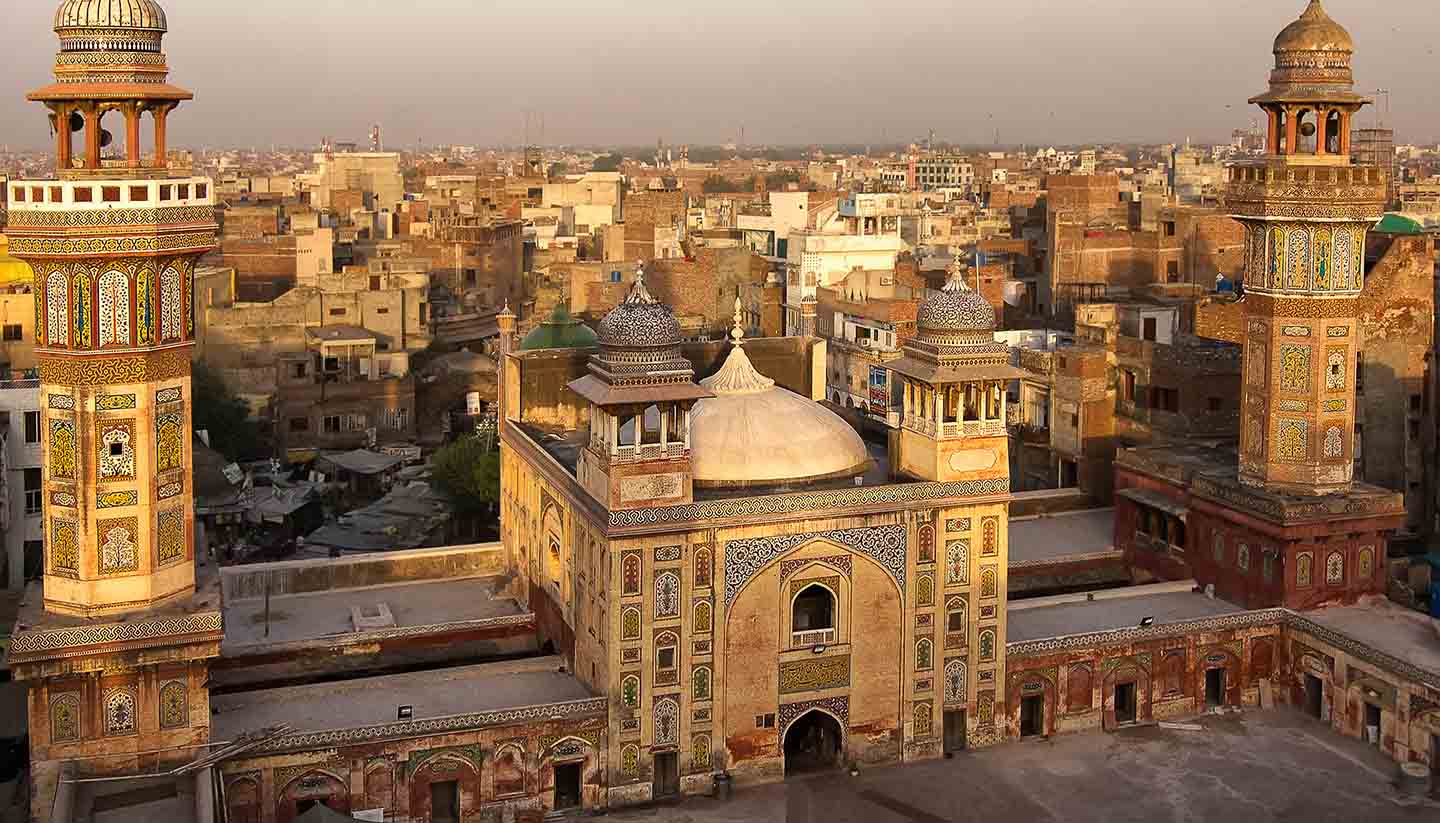
When a twelfth-century South Delhi victory tower glows in crimson and white, people notice. New Delhi recently dressed the iconic Qutb Minar in the national colors of Peru. Why? To mark the South American nation's 205th Independence Day.
If you think architectural landmarks lighting up for foreign holidays is just empty diplomatic pageantry, look closer. These symbolic gestures often run parallel to shifting trade routes, new political leadership, and quiet economic alignment between countries separated by thousands of miles.
Behind the Red and White Illumination
The ceremony brought out prominent figures, including Enrique Rafael Descalzi Mendez, the Charge d'Affaires a.i. of the Embassy of Peru. Standing beneath the towering UNESCO World Heritage site, the event highlighted how far bilateral relations have come. Peru celebrates its liberation annually on July 28, a date commemorating the historic push away from Spanish colonial rule led by José de San Martín.
Lighting up the Qutb Minar isn't something India does for every nation. It's a selective honor. It points to a deliberate effort by New Delhi to strengthen diplomatic footprints across Latin America—a region that India has increasingly courted for critical mineral resources, agricultural trade, and technological cooperation.
The Timing Matters
This year's celebration coincides with a massive political transition in Lima. Just days before the monument glowed in red and white, Keiko Fujimori took office as Peru's president after a razor-thin runoff victory. Prime Minister Narendra Modi quickly extended formal greetings, emphasizing India's commitment to deepening the bilateral partnership across diverse sectors.
When leadership changes in a resource-rich democracy like Peru, global powers pay attention. Peru is a major global supplier of copper, zinc, and silver. India's manufacturing ambitions require a steady stream of raw materials. Strengthening diplomatic warmth through cultural nods like monument illumination creates a soft-power baseline that makes trade agreements much smoother to negotiate down the road.
What India and Peru Actually Trade
Most people assume India only trades with its immediate neighbors or Western superpowers. That's short-sighted. India-Peru trade has steadily expanded over the past decade. India exports vehicles, pharmaceuticals, and iron and steel products to Peru, while importing gold, copper ores, and chemical products.
Bilateral commerce sits well past the multi-billion-dollar mark, and both governments want more. Free trade agreement talks have lingered for years. When a nation illuminates its most famous medieval monument for an ally's independence milestone, it signals to business chambers in both countries that the state-level backing for commercial partnerships is rock solid.
Diplomacy thrives on symbols, but trade thrives on stability. As Peru navigates its political future under a fresh administration and India scales its global manufacturing footprint, expect to see more of these cultural bridges.
Next time you see an ancient landmark wearing a foreign flag, remember it's about much more than a pretty light show. It's realpolitik dressed in crimson and white.