When an epidemic moves faster than the people trying to stop it, numbers stop being statistics and start looking like a slow-motion disaster. As the outbreak in the Democratic Republic of Congo passes its grim 100-day milestone, health authorities are dealing with a brutal reality. Over 5,300 confirmed cases and more than 2,500 deaths tell only part of the story. The real crisis isn't just medical. It's structural, logistical, and rooted in a deep disconnect between emergency planners and the communities caught in the crossfire.
If you look at how past outbreaks were handled, you notice a recurring illusion. Officials assume that building treatment centers solves the problem. It doesn't.
The Core Problem With How We Fight Ebola
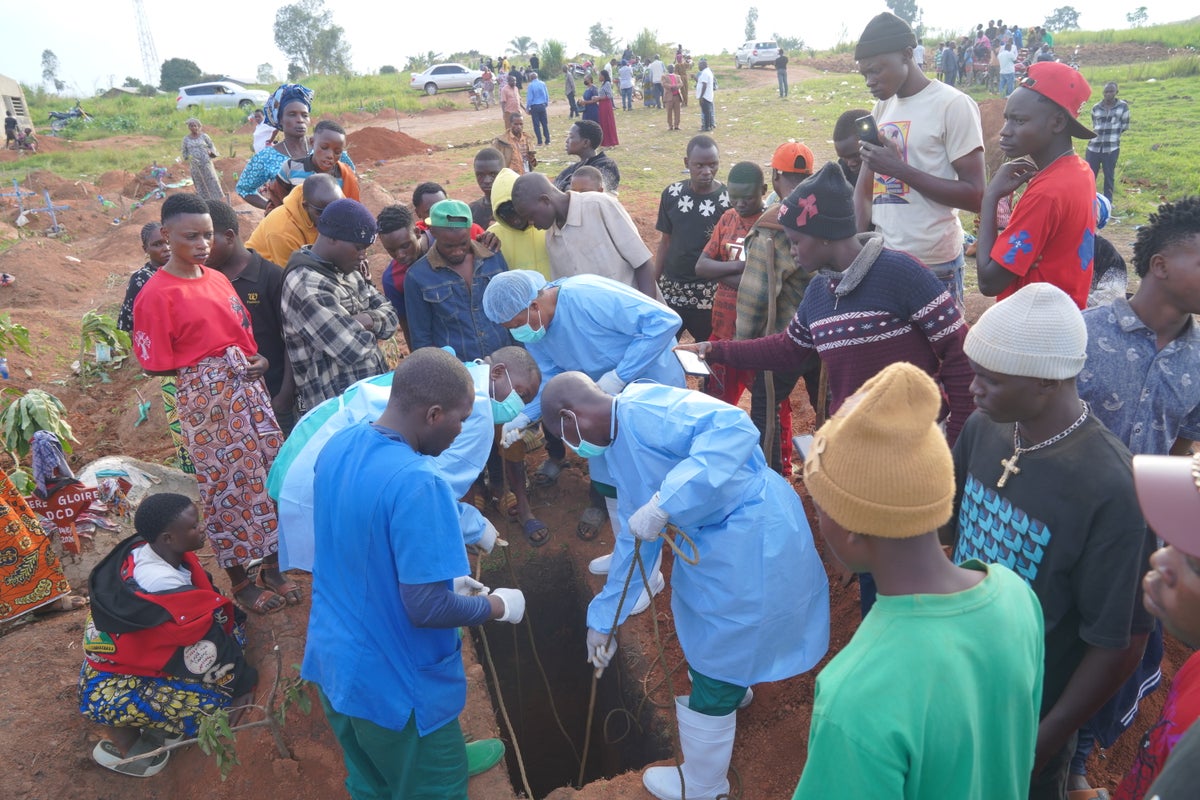
Beds inside a heavily guarded clinic mean nothing if sick people die at home. Right now, more than sixty percent of deaths are happening out in the community. Patients aren't reaching treatment facilities until it's far too late, or they are avoiding them entirely because of fear and mistrust.
When you scale up a medical response without winning local trust, you're just shouting into the wind.
Médecins Sans Frontières and other frontline organizations have repeatedly pointed out that the geographic spread covers an area larger than France. That footprint spans regions already broken by conflict, displacement, and severe food insecurity. Telling a displaced family in an overcrowded camp to isolate safely sounds simple in a briefing room in Geneva or Kinshasa. On the ground in Ituri or North Kivu, it's an impossible demand without heavy logistical backing.
Why Trust Matters More Than Medicine
Medical countermeasures only work if people are willing to take them. In many affected zones, historical skepticism toward centralized authorities runs deep. If health workers show up in full biohazard gear looking like an occupying army rather than helpers, communities push back.
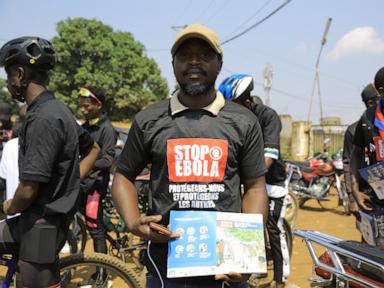
The most successful interventions happen when locals lead the charge. In places like the Rho displacement camp, community leaders didn't wait for outside instructions. They sat down with families, listened to their fears, and normalized early testing and reporting.
When local voices drive the response, survival rates improve. When outsiders dictate terms from a distance, transmission chains stay hidden.
The Funding Gap That Keeps Costing Lives
Let's talk about money, or the total lack of it. International responders have warned that financial reserves are drying up fast. Senior coordinators on the ground have made it clear that current budgets only cover the next few weeks.
Every single delay in releasing emergency funds makes the virus harder to track and exponentially more expensive to fight later. Bureaucratic sluggishness translates directly to unstaffed health posts and untrained local volunteers.
What Actually Needs to Happen Right Now
If you want to turn the tide before this epidemic swallows more provinces, priorities have to shift immediately.
- Decentralize care by embedding trained medical staff directly inside existing local health posts rather than forcing everyone into distant isolation centers.
- Pour resources into grassroots contact tracing run by people who actually live in the affected villages and camps.
- Secure flexible, immediate funding that bypasses slow administrative channels so frontline teams don't run out of basic supplies mid-crisis.
Stop treating community engagement as an afterthought. Build the response around the people living through the nightmare, or watch the numbers keep climbing.