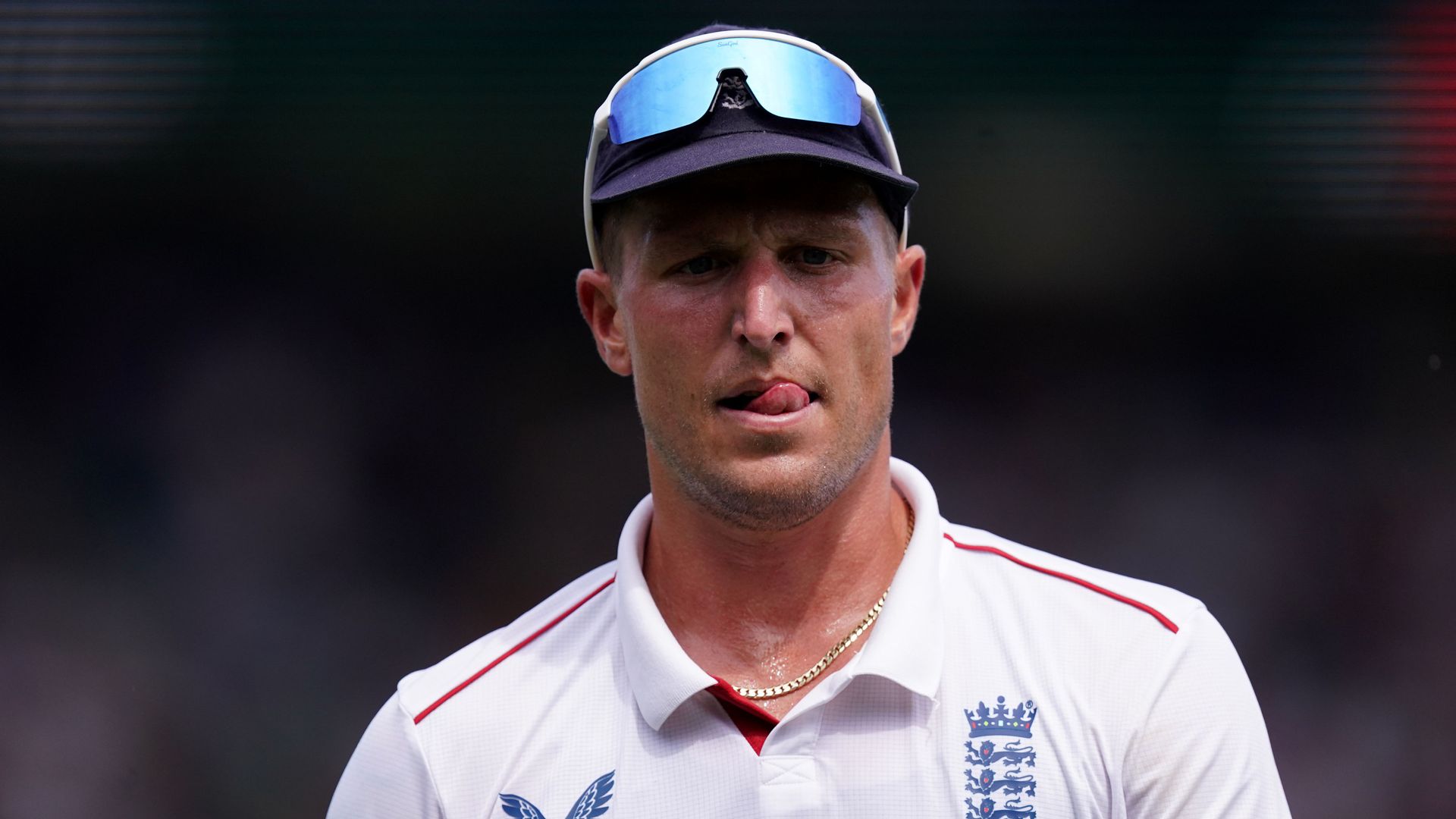
Brydon Carse just handed English cricket another PR nightmare on a silver platter. The fast bowler was pulled from England's squad for the second Test against Pakistan at Lord's after footage surfaced of him being handcuffed by police outside a Derby nightclub.
If you thought the team had turned a corner after a winter of disciplinary chaos, you were wrong. The timing couldn't be worse. It happened barely two weeks after new captain Joe Root lifted the midnight curfews that management implemented following a string of alcohol-related scandals.
Let's look at what actually went down, why the England and Wales Cricket Board had to act so fast, and what this means for a team culture that refuses to clean up its act.
The Derby Incident Explained
Saturday night in Derby city centre should have been a simple celebration. Carse had just finished helping Durham crush Derbyshire by 338 runs in the County Championship, picking up a couple of wickets along the way. Former captain Ben Stokes and teammate Matthew Potts were also spotted out with the group.
Sources close to the situation noted that neither Stokes nor Potts did anything wrong. Carse, however, managed to draw the attention of Derbyshire Police.
Officers detained the 31-year-old fast bowler in handcuffs outside a venue. A police statement later clarified that a man in his thirties was arrested on suspicion of being drunk and disorderly, then de-arrested shortly afterward once he agreed to leave the area.
A brief video clip of the arrest hit social media immediately. For the ECB, the footage triggered instant panic. Carse was scheduled to travel down to London on Monday evening to join the Test squad ahead of training at Lord's. Instead, he was told to stay home while the independent Cricket Regulator opened a formal investigation.
Hampshire seamer Sonny Baker got the late call-up to replace him as bowling cover.
A Repeating Cycle of Booze and Bad Timing
You have to wonder what it takes for players to realize that mobile phones are everywhere. Every late-night appearance carries the risk of ending up on the internet.
This isn't an isolated mishap. English cricket has spent the better part of a year stumbling from one alcohol-fueled controversy to the next.
During the winter tours of New Zealand and Australia, things spiraled out of control. Harry Brook ended up getting struck by a nightclub bouncer in Wellington just hours before he was due to captain an ODI. Later in the Ashes campaign, a boozy trip to Noosa resulted in an embarrassing video of an intoxicated Ben Duckett circulating online.
The response back then was heavy-handed. Management slapped strict curfews on the squad to force discipline back into the dressing room. But curfews treat the symptom, not the disease. When Joe Root took over the captaincy, he decided to treat the players like adults and scrapped the midnight restrictions.
That trust lasted less than a fortnight before Carse found himself in the back of police cuffs.
Former England seamer Stuart Broad didn't mince words on his podcast, calling the episode pretty daft. He is right. When you are on the fringes of the national team, trying to cement your spot after battling injuries, spending your Saturday night arguing with police in Derby is a massive self-inflicted wound.
Is There a Deep-Rooted Cultural Problem?
Former skipper Ben Stokes recently defended the team against claims of a systemic drinking problem. He argued that the sport of cricket itself has a culture embedded with alcohol rather than the England Test team specifically.
There is some truth to that defense. County cricket has long lived by a work-hard, play-hard ethos. Match a grueling four-day schedule with down-time in provincial towns, and players often gravitate toward the nearest bar.
Yet elite international sport demands a higher standard. When you wear the Three Lions, you represent a multi-million-pound organization under intense public scrutiny. The margin for error off the pitch is zero.
The Cricket Regulator now has to decide what punishment fits the crime. Carse's omission from the Lord's Test is just the immediate administrative casualty. Depending on the findings of the independent inquiry, he could face substantial fines or a suspension that halts his international career just as he was trying to rebuild momentum following a grueling Ashes stint where he finished as England's top wicket-taker.
Moving Forward Without Distractions
England head into the second Test against Pakistan sitting on a 1-0 lead after an absolute thrashing at Headingley. The cricket on the field has been razor-sharp and aggressive.
Yet the headlines are once again dominated by police blotters instead of batting collapses or bowling masterclasses.
If Joe Root and head coach Brendon McCullum want to build a legacy of winning, they need to address the off-field distractions permanently. Trusting players to police themselves clearly has limits when a few pints turn into a public order incident.
Carse will wait for the regulator's verdict. The rest of the squad will step out at Lord's knowing every move they make away from the pitch is being watched.
Stop blaming bad luck. Fix the culture.