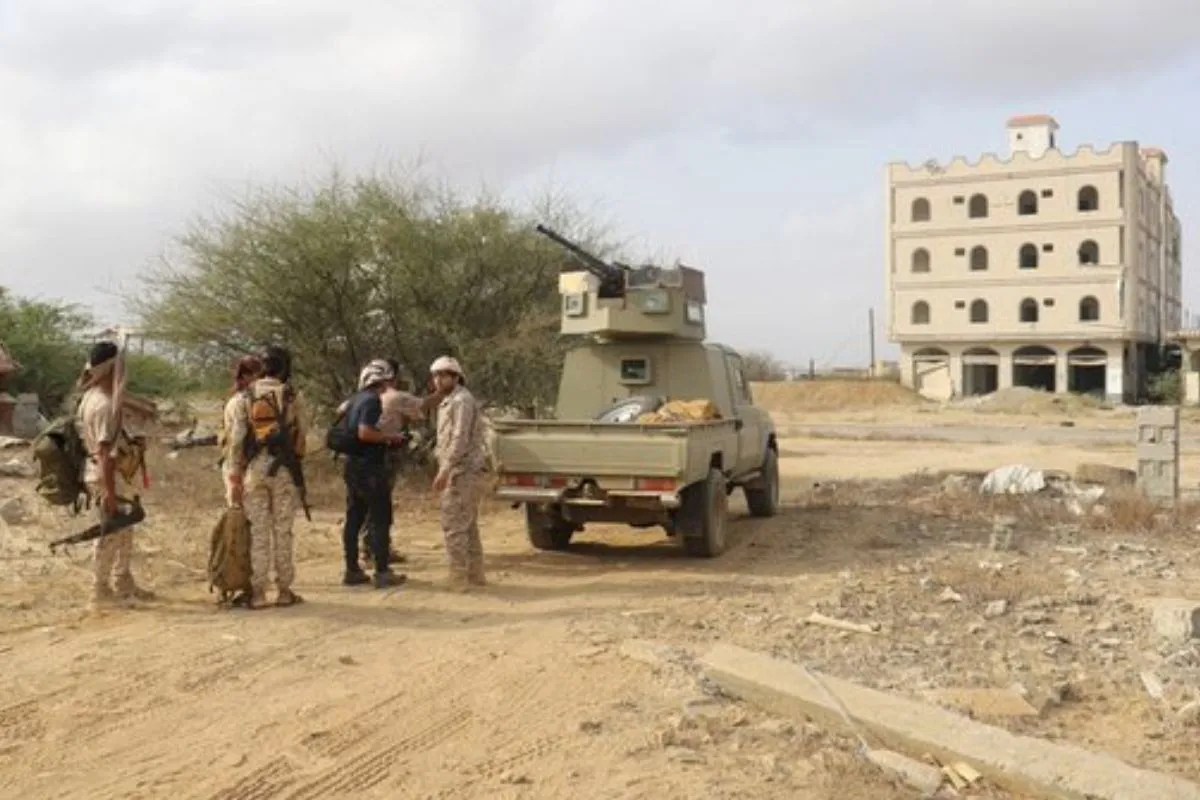
The fragile quiet that held Yemen together for years is officially gone. When government forces launched targeted counter-operations against Houthi positions, it wasn't just another localized skirmish. It marked the breaking point of a 2022 truce that had already been fraying at the edges for months.
If you've been trying to figure out why artillery shells are slamming into Marib again and what it means for the millions of displaced people trapped there, you're looking at the collapse of a very delicate status quo. Let's look at what's actually happening on the ground.
The Breaking Point in Marib
Marib isn't just another city. It's the economic heartbeat of the internationally recognized government and home to over two million displaced Yemenis who fled fighting elsewhere. When Houthi rocket and drone strikes slammed into displacement camps like Al-Mail and Jaw Al-Naseem, they didn't just hit military targets. They killed civilians, including women and children, and triggered a massive military response.
Colonel Majid al-Nuzaili, the Yemeni military spokesman, didn't mince words when announcing the armed forces' retaliatory operations. The government response targeted Houthi lines of contact across multiple axes, aiming to push back capabilities that have increasingly threatened civilian safety.
Why the 2022 Truce Finally Collapsed
The UN-brokered truce from April 2022 kept major front-line combat frozen on paper, but local tensions never truly went away. Over the past few weeks, things accelerated dangerously. Recent ballistic missile and drone strikes targeting government military installations across Marib and Hadhramaut provinces killed dozens of soldiers.
When you lose dozens of personnel in coordinated overnight attacks, a military response isn't optional for an army trying to maintain state credibility. The Houthis claim they are targeting foreign-aligned military infrastructure, but the civilian toll in Marib tells a much grimmer story.
What Experts Are Warning About Now
International observers are sounding alarms that Yemen is sliding back into full-scale war. UN Envoy Hans Grundberg pointed out that the current risk level is higher than at any point since the truce began.
The escalation goes beyond local territory control. Analysts note that regional friction, including Houthi maritime escalations in the Red Sea and broader confrontations involving Iran-aligned networks, creates a dangerous feedback loop. When regional proxy dynamics bleed into domestic front lines, local ceasefires rarely survive.
Where the Conflict Goes From Here
Right now, military officials on the government side have made it clear they will respond to further shelling with necessary force. The humanitarian situation in Marib remains critical, with displacement camps vulnerable to ongoing artillery fire.
Diplomatic channels are pushing hard for restraint, but with active front-line exchanges and entrenched positions on both sides, de-escalation will require immediate international intervention before the fighting hardens into a permanent new offensive phase.