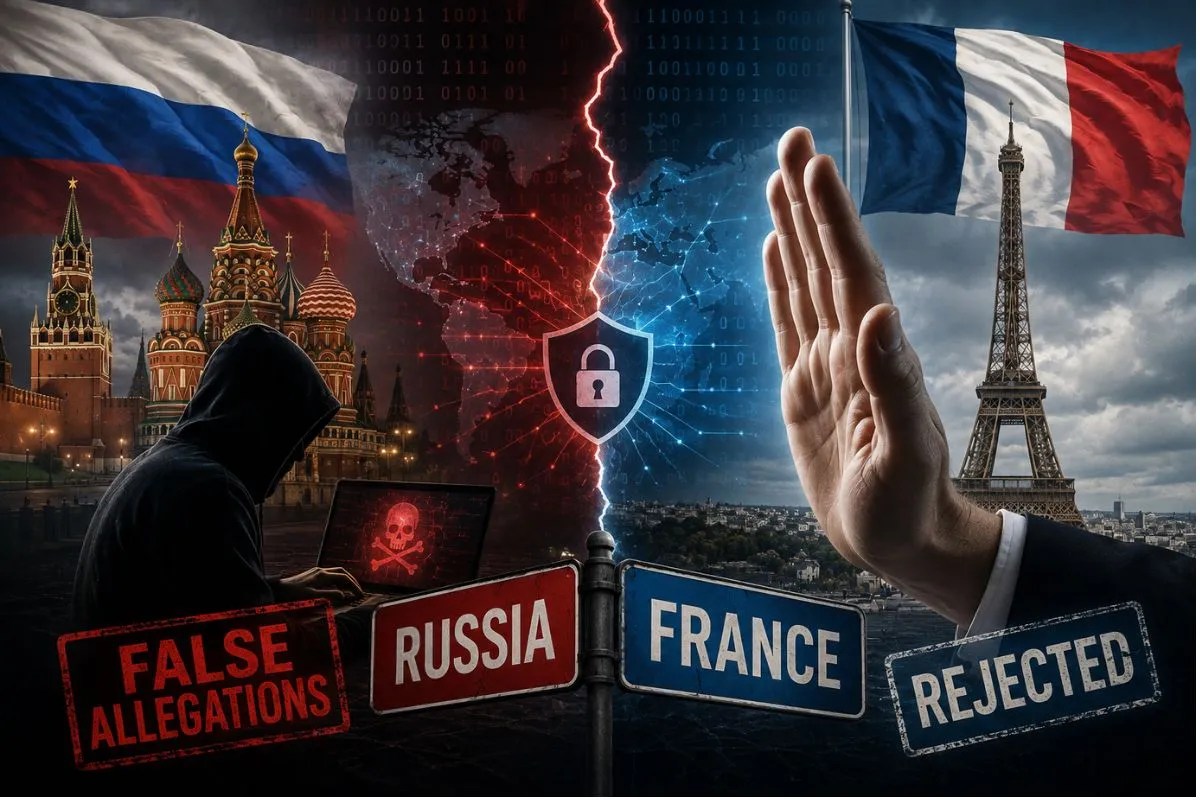
Every time a major Western election approaches, a familiar script rolls out. Paris points a finger at Moscow, accusing foreign actors of trying to sabotage democratic processes. Moscow fires right back, calling the accusations a convenient myth designed to mask domestic policy stumbles.
The latest diplomatic flare-up centers on fierce allegations from French authorities regarding cyber operations and digital interference targeting the upcoming 2027 French presidential race. But looking past the standard political theater reveals a much deeper struggle over public trust, cybersecurity, and political survival in Europe.
What Triggered the Latest Clash Between Paris and Moscow
The friction intensified when French foreign digital interference watchdog VIGINUM publicly attributed several summer disinformation campaigns to pro-Russian networks like Matryoshka and Storm-1516. According to French reports, these operations set their sights on prominent political figures, including Renaissance leader and potential presidential contender Gabriel Attal, Horizons chief Edouard Philippe, and European Parliament member Raphael Glucksmann.
Gabriel Attal didn't mince words, publicly claiming that Moscow wants to steal the presidential election from the French people by blocking informed choices. President Emmanuel Macron has also voiced sharp warnings, noting earlier in the year that outside forces were pouring millions into purchasing fake accounts during sensitive electoral windows.
France officially summoned Russia's charge d'affaires on July 17 to deliver formal protests, which Moscow swiftly dismissed as completely unfounded.
Moscow Counters the Narrative
Russian Foreign Ministry spokeswoman Maria Zakharova didn't hold back in her response, accusing French leadership of deliberately reviving the "Russian threat" narrative to serve domestic political agendas.
From Moscow's perspective, painting Russia as a permanent enemy is a predictable playbook. Zakharova argued that European politicians frequently lean on aggressive anti-Russian rhetoric as a mandatory entry ticket for their presidential campaigns, blaming external actors for internal economic and foreign policy shortcomings. Furthermore, Moscow pointed out the timing of these announcements, noting they coincided neatly with meetings of the "Coalition of the Willing" in Paris.
The Real Stakes Behind the Cyber Allegations
Why does this matter right now? Cybersecurity isn't just about technical firewalls anymore. It has evolved into a primary battleground for political legitimacy.
When agencies like VIGINUM flag digital networks, they are trying to inoculate voters against deepfakes, coordinated bot networks, and narrative warping. Yet, pinning down attribution in cyberspace remains notoriously difficult. Intelligence agencies see footprints, but digital breadcrumbs can be spoofed, routed through proxy servers, or disguised to point in false directions.
At the same time, European democracies face genuine vulnerabilities. Polarization is high, institutional trust is sliding, and social media algorithms amplify outrage faster than nuance. Whether interference comes from organized state-backed hacker groups or opportunistic domestic actors, the impact on public discourse is real.
Looking Toward 2027
France's presidential election scheduled for April 2027 sits on the horizon, casting a long shadow over current policy decisions. As candidates line up their platforms, security agencies are ramping up monitoring systems.
Expect more diplomatic expulsions, stern warnings, and public disclosures of cyber operations over the coming months. Both sides have entrenched political incentives to maintain their stances. Paris must project strength and protect its democratic infrastructure, while Moscow aims to deflect international pressure and challenge Western consensus.
Keep a close eye on how digital watchdogs handle social media platforms as the campaign heating intensifies. Real defense requires more than political rhetoric; it demands rigorous technical transparency and stronger digital literacy among voters who face a relentless stream of online noise.