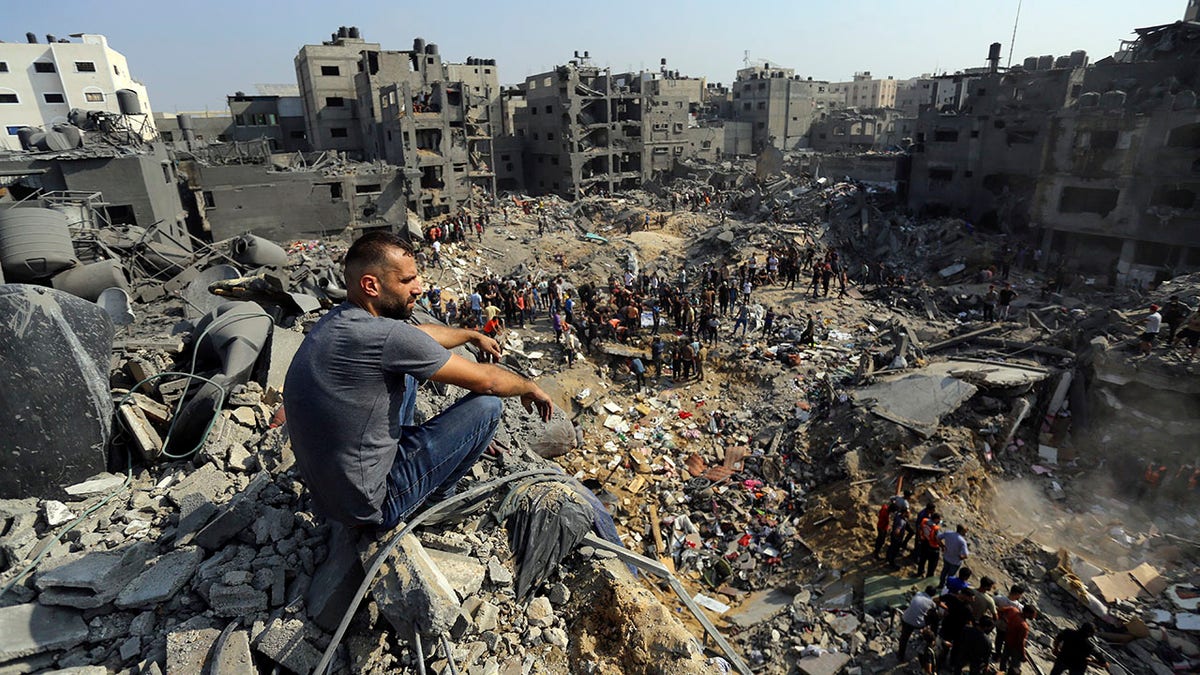
Thousands of women in Gaza are currently living a nightmare that goes well beyond the immediate sounds of conflict. For those already battling breast cancer, the situation isn't just dire. It's effectively a death sentence.
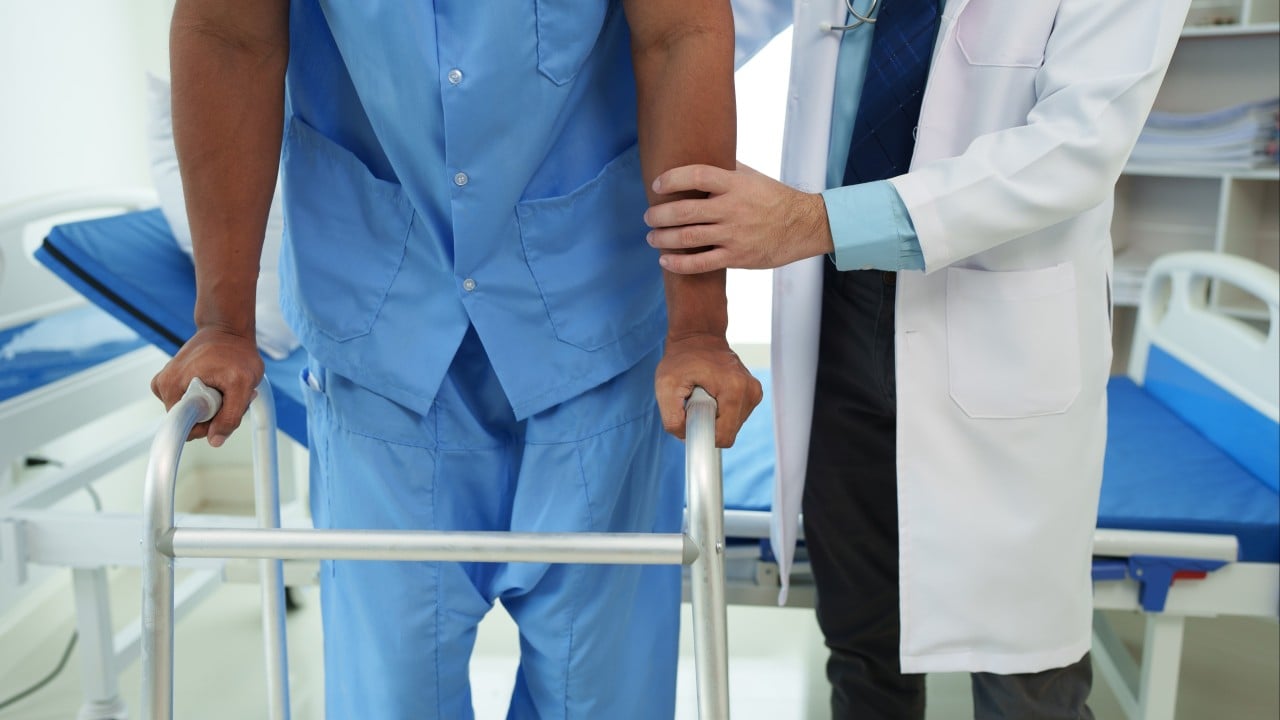
When you look at the healthcare infrastructure in any functional society, it relies on a specific sequence. Screening detects a tumor early. Biopsy confirms it. Surgery, chemotherapy, and radiation follow. In Gaza, that sequence has been shattered. If you are a patient there today, the tools required to keep you alive don't exist.
Why Standard Treatment Protocols Have Collapsed
Treatment for breast cancer is incredibly time-sensitive. Missing a single round of chemotherapy can shift a treatable stage-two tumor toward a terminal stage-four progression.
The siege on Gaza has effectively severed the supply chains that once brought basic oncology drugs across the border. Hospitals aren't just running low on specialized medication. They are frequently lacking basic pain management, sterile surgical supplies, and diagnostic imaging equipment. A patient cannot fight what they cannot see. Without functional mammography or ultrasound machines, doctors are essentially flying blind.
It's not just the hardware that's missing. The medical staff, exhausted and often displaced themselves, are forced to make impossible choices. They are rationing limited resources. This isn't medical practice; it's triage under extreme conditions.
The Mental Toll of Constant Uncertainty
We talk about cancer as a physical fight, but the psychological burden is just as heavy. Imagine waiting for a scan result while under the constant threat of bombardment. The cortisol levels alone are enough to impact immune function.
Patients I've read about, and those reported on by groups like the World Health Organization, describe a cycle of sheer terror. They are trapped. They cannot leave to seek treatment elsewhere, and they cannot access the care they need at home. Many have simply stopped trying to find medication, realizing that the journey to a shuttered clinic is more dangerous than the cancer itself.
How the Healthcare Gap Widens
There is a significant misconception that medical supplies are slowly trickling in. The reality is far grimmer. Specialized equipment requires maintenance. It requires spare parts. It requires a stable power grid. When these things vanish, advanced oncology units become nothing more than rooms filled with expensive, broken metal.
- Diagnostic failure: Patients are presenting with far more advanced tumors because routine screenings have stopped for months.
- Supply chain blockage: Even when chemotherapy is donated, it often requires cold-chain logistics—refrigeration that simply isn't available in areas with destroyed electrical infrastructure.
- Surgical backlog: Emergency trauma care currently takes precedence over elective or even necessary cancer surgeries, meaning wait times for life-saving procedures are now measured in months or years, not weeks.
Beyond the Immediate Conflict
This isn't a temporary issue that will vanish when the fighting stops. We are looking at a long-term public health disaster. Women who survive the current environment will still need to manage the trauma of missed screenings and interrupted treatment. The cancer rates won't just stay the same. They will spike.
We have to recognize that the lack of access to oncology care is a secondary wave of the crisis. It's a silent killer that is working just as effectively as any weapon.
What Needs To Happen Now
Ignoring this won't change the facts. If we want to prevent a complete collapse of survivability for cancer patients in the region, the focus must shift to medical neutrality and supply access.
- Medical Corridors: We need dedicated, protected channels that focus exclusively on bringing in oncology-specific pharmaceuticals and diagnostic tools.
- Tele-Oncology Support: If the patients cannot get to the doctors, the expertise must get to them. Remote guidance via satellite connections could allow specialists outside the region to help local staff navigate complicated treatment regimens.
- Data Tracking: We need an honest account of the missing patient populations. We don't even know how many women have passed away simply because they couldn't access a second round of treatment.
This is a failure of basic human rights. The tragedy isn't just that people are dying. It’s that they are dying from a disease that, in most other parts of the world, we have learned how to manage, treat, and often cure. We are watching a total regression in cancer care, and the cost is paid in lives.