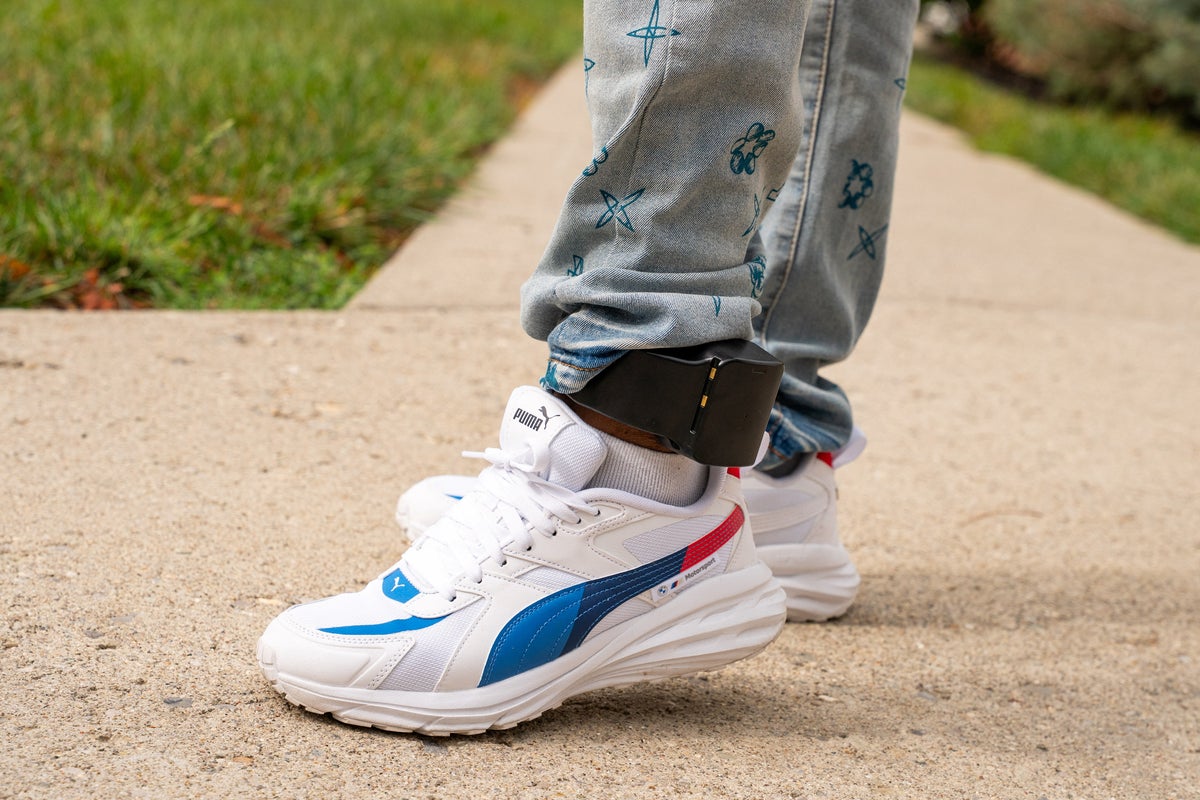
When federal agents start tracking law-abiding community members with GPS shackles, you know the ground rules have shifted. Right now, hundreds of Haitian immigrants across Ohio are walking into Immigration and Customs Enforcement offices for routine check-ins and walking out wearing electronic ankle monitors. This isn't happening to violent fugitives. It's happening to people who built lives, secured jobs, and followed every instruction the government gave them.
The Department of Homeland Security is executing these measures following the Supreme Court decision allowing the administration to strip Temporary Protected Status from roughly 350,000 Haitians nationwide. For towns like Springfield, Ohio, where thousands of Haitian families settled legally over recent years, the fallout is immediate and brutal. Local support networks and immigration attorneys are scrambling to respond to an enforcement strategy designed to maximize psychological pressure and force departures. Meanwhile, you can read related events here: Why The Latest Deadly Strikes On Kyiv Demand A Hard Look At Air Defences.
What Led to the Emergency Check-Ins
You have to look at the legal timeline to understand how we got here. Temporary Protected Status was built for nationals of countries dealing with active war, environmental catastrophe, or severe state instability. Haiti easily met those criteria for years due to catastrophic earthquakes, political assassinations, and total gang dominance.
Yet, policy changes under the Trump administration put a definitive end date on those protections. DHS declared the program officially terminated, triggering sudden administrative chaos. Even though some lower court battles and legal challenges continued to bounce around federal dockets, the Supreme Court cleared the path for the administration to move forward. To understand the complete picture, check out the excellent analysis by The Guardian.
ICE didn't wait around. Agents began mailing out mass summons letters, directing former TPS holders living in cities like Springfield to report to the regional ICE facility in Blue Ash, Ohio.
Inside the Blue Ash ICE Office
The appointments follow a terrifyingly predictable script. Community advocates and local organizers like Viles Dorsainvil of the Springfield Haitian Support Center have spent weeks driving community members to these mandatory check-ins. People arrive with thick folders containing every immigration document, tax form, and employment record they own.
Inside, federal officers conduct interviews and hand down a harsh ultimatum: wear an ankle monitor, or face immediate detention.
Those who accept the tracking devices find themselves shackled with strict physical boundaries. Many report being restricted to a strict 75-mile radius from their homes. They receive court dates set roughly thirty days out, forcing families into a state of chronic panic. Parents are hiding the devices from their young children out of sheer humiliation.
Immigration lawyers point out the profound injustice of this tactic. Electronic tracking devices have traditionally been reserved for individuals facing criminal charges or active flight risks. Applying them to people with clean records who have consistently complied with check-in rules signals a deliberate shift toward punitive harassment.
The Broader Impact on Ohio Communities
The sudden rollback of protections creates a massive economic and humanitarian shockwave. Springfield's local economy absorbed thousands of Haitian workers who filled critical labor shortages in manufacturing, logistics, and food processing. Employers are now facing sudden staffing gaps and administrative confusion as workers lose valid work authorizations overnight.
Elected officials remain deeply divided. While federal officials defend the move by arguing that temporary protections were never meant to morph into permanent residency, congressional critics call the policy an international embarrassment. Senators have pointed out that sending people back to a nation experiencing profound safety crises is unconscionable.
Yet, the federal machinery keeps moving. Attorneys note that ignoring these summons or refusing a monitor guarantees immediate arrest and expedited deportation proceedings.
If you or someone you know is navigating these changes, rely on verified local legal aid coalitions rather than rumors. Keep physical copies of all communication from DHS, maintain strict compliance with scheduled check-in dates, and connect immediately with community defense networks tracking these enforcement waves.
Haitian immigrants report to ICE office, exit with ankle monitors
This video provides an on-the-ground look at the ICE check-in offices in Ohio where Haitian migrants are being confronted with ankle monitors and deportation threats.