The recent movement of former Pakistani Prime Minister Imran Khan from Adiala Jail to a hospital and back again in under twenty-four hours isn't just a medical footnote. It is a loud, visible symptom of the profound instability currently gripping Pakistan’s legal and political machinery. When you look past the basic news alerts, you’re left with a clear picture of a system struggling to manage its most high-profile prisoner.
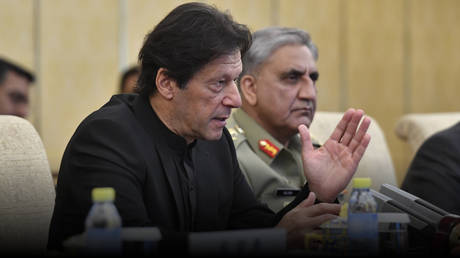
Khan, currently 73, was whisked to Islamabad’s Shifa International Hospital in the early hours of Friday morning. This followed a Supreme Court directive issued earlier in the week. By the time the sun had fully risen, he was back in his cell. The government’s official stance, communicated through Information Minister Attaullah Tarar on social media, was straightforward: doctors found him fit. Case closed, or so they want you to believe.
But if you’ve been tracking the trajectory of Pakistani politics for the last few years, you know that nothing is ever just a medical checkup when it involves the founder of the Pakistan Tehreek-e-Insaf (PTI).
The tension between court orders and state authority
The timeline itself tells the real story. The Supreme Court had mandated that Khan be held at the hospital for a period spanning several weeks, ending on September 16. The state’s decision to return him to prison only hours after the initial transfer—well ahead of the court's deadline—was a calculated move.
Why push the envelope like this? The administration was clearly feeling the pressure. The PTI had already threatened to file contempt proceedings against the government for the initial delay in complying with the court’s order. By moving him and then quickly returning him, the state managed to tick the box of compliance while refusing to cede long-term ground.
It shows a government that is playing a very delicate game. They need to respect the optics of judicial authority, yet they are unwilling to allow Khan the relative freedom of a hospital setting, where his influence and access to the outside world could increase.
Why this isn't just about health
Legal teams for Khan have long raised concerns about his deteriorating health, specifically mentioning significant vision loss in his right eye. For the public, these claims aren't just medical complaints. They serve as a lightning rod for his supporters.
When you see hundreds of security personnel deployed along a 30-kilometer route just to move one man, you realize the fear the current establishment harbors regarding his popularity. Supporters lining the streets in the middle of the night proves that the movement behind him hasn't faded, despite the state's efforts to dismantle the PTI's ability to compete in elections.
This situation reveals a fundamental truth about modern Pakistani governance: the legal system has become a primary battlefield for political survival. When charges like the sale of state gifts are used to disqualify a former leader, the courtrooms become the most important political stage in the country.
What to watch next
If you are trying to make sense of where this goes from here, stop looking for a quick resolution. This is a war of attrition.
- Judicial oversight: Watch how the Supreme Court responds to the rapid return of Khan to jail. If the judges accept this "medical fitness" argument without further pushback, it signals a significant narrowing of the court’s ability to protect the prisoner.
- Public mobilization: Every time there is a high-profile move like this, the street-level reaction becomes more unpredictable. Keep an eye on how PTI leadership utilizes these incidents to organize their base.
- The state's narrative: Expect more frequent, direct communication from government officials regarding Khan’s health. They know that "deteriorating health" is a powerful narrative for the opposition, so they will keep trying to neutralize that argument through public statements from medical teams.
The reality is that Khan is the most significant variable in the country's political equation. Whether he is in a hospital or a cell, his presence—or the fear of his influence—drives government policy. Don't fall for the idea that this was just a routine checkup. It was a test of strength between a defiant opposition leader and an establishment that is determined to keep him sidelined at any cost.
The cycle of court orders, government resistance, and street-level protests will continue. There’s no sign of a cooling-off period. Expect more of these frantic, high-security transfers as both sides dig in for the long haul.
If you want to understand the direction of the country, focus on the courts. That is where the power is being contested today. Anything else is just noise.