You don't vote for a local representative when election day arrives in Israel. You vote for an entire party list. This single structural choice turns the entire country into one giant national constituency, creating a political environment unlike almost anywhere else in the democratic world. If you've ever wondered why Israeli politics look like a permanent high-stakes chess match with shifting alliances, you need to understand the mechanics beneath the surface.
The Core Mechanics of the Knesset
Israel's parliament, known as the Knesset, has 120 seats. Every single seat is allocated based on a nationwide proportional representation system.
To win seats, a party must clear a specific hurdle called the electoral threshold, which sits at 3.25 percent of the total national vote. Cross that line, and you get seats proportional to your vote share. Fall short, and your votes vanish into political oblivion.
Because the threshold is relatively low compared to countries like Germany, the Knesset is famously fragmented. Dozens of factions constantly fight for survival. No single party in Israel's history has ever won an outright majority of 61 seats on its own.
Why Winning the Most Votes Doesn't Make You Prime Minister
This is where outsiders get confused. You can lead the party that wins the highest number of individual seats, and still watch someone else take the prime minister's office.
Building a government requires stitching together a coalition. To form a ruling administration, a leader must corral at least 61 votes in the 120-seat parliament.
Once election results are finalized, the Israeli president consults with the leaders of every party that made it into the Knesset. Each party tells the president whom they want to back for prime minister. The president then taps the politician deemed to have the best mathematical chance of building a 61-seat coalition.
That designated politician gets 42 days to negotiate deals, hand out cabinet ministries, and compromise on policy platforms. If they fail, the mandate shifts to someone else.
The Power of the Kingmakers
Because major parties usually land somewhere between 25 and 35 seats, smaller factions hold outsized leverage.
Religious factions, nationalist splinter groups, and single-issue parties often find themselves cast as kingmakers. They can demand massive budget allocations for their constituents or specific legislative concessions in exchange for their crucial votes. A party with just four or five seats can effectively veto government policies or sink an entire coalition if their demands aren't met.
This dynamic leads to frequent government collapses and snap elections. When coalition partners quarrel over military service exemptions, budgets, or foreign policy, the government dissolves, sending the country right back to the ballot box.
Who Is Actually in the Race
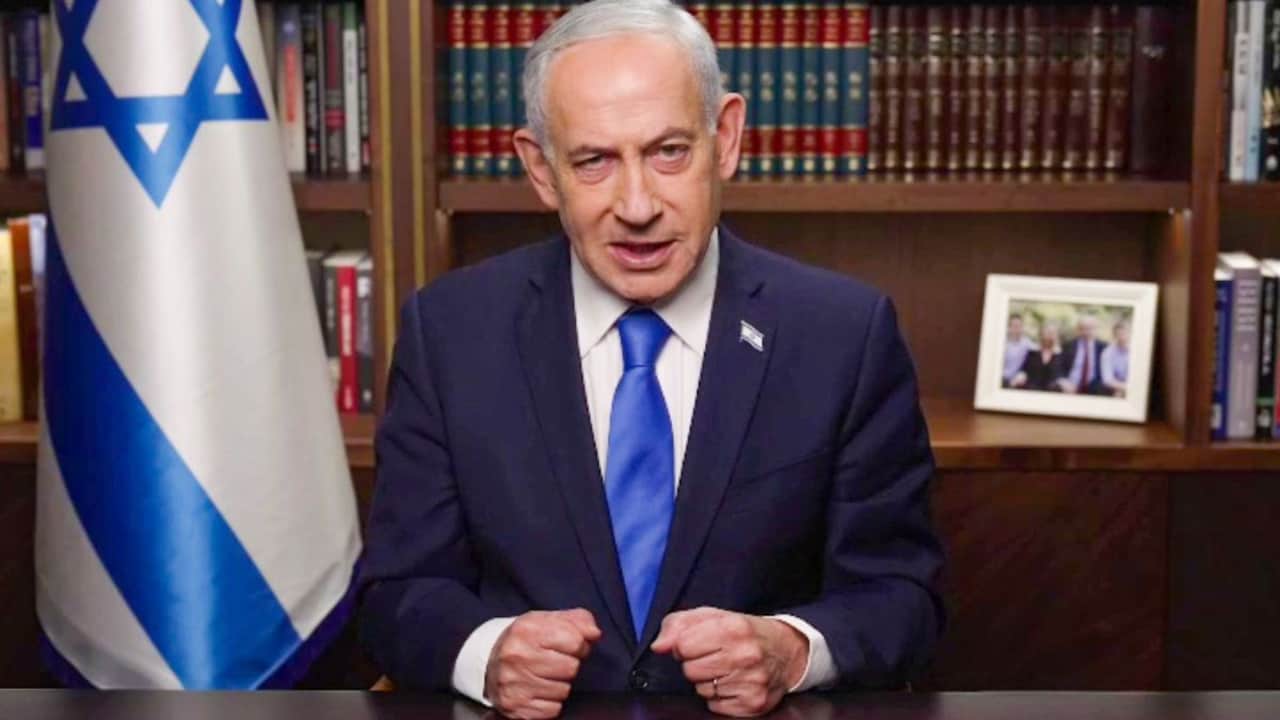
The political arena features a revolving cast of seasoned veterans and security figures. Benjamin Netanyahu, heading the right-wing Likud party, remains a central fixture of modern Israeli political history. Opposing blocs frequently unite disparate ideologies just to challenge his longevity, ranging from centrist figures like Yair Lapid and former military chiefs to right-wing nationalists who drift between alliances.
Navigating this landscape means watching the ideological blocs rather than individual charisma alone. Personalities matter, but survival depends entirely on arithmetic and post-election horse-trading.
If you want to track Israeli politics effectively, stop looking at national polls in isolation. Watch the smaller parties hovering right above the 3.25 percent threshold, because they always write the final chapter.
how do israeli elections work?
This video provides a clear breakdown of how Israel's parliamentary elections and coalition negotiations operate in practice.
http://googleusercontent.com/youtube_content/1