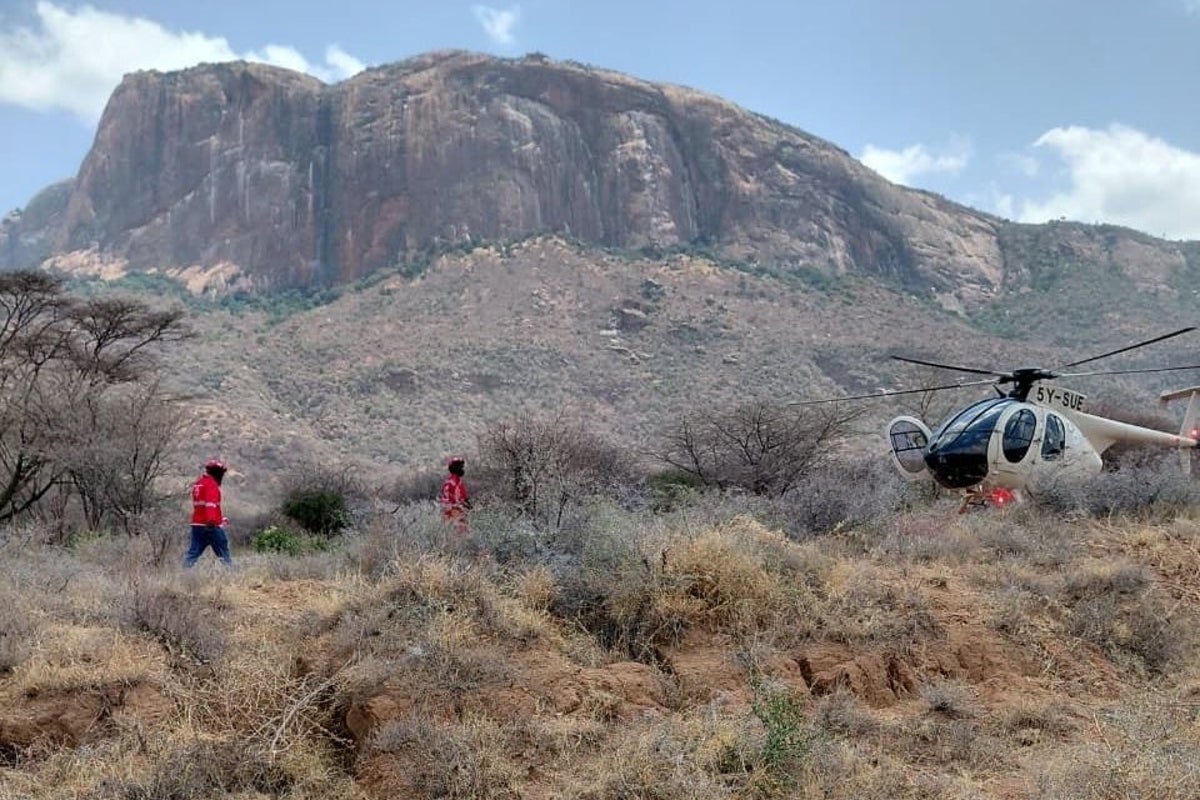
The tragic news out of Samburu County yesterday serves as a brutal reminder of the reality behind luxury safari travel. Seven people lost their lives in a helicopter crash in northern Kenya, including five American citizens. Among the victims was a high-ranking official from Ecuador’s intelligence agency and a prominent television executive. It’s a devastating event that hits home for the global community.
When you book a high-end excursion in remote regions, you’re often blinded by the comfort of the lodge and the promise of a seamless experience. But the logistics of reaching these places are anything but mundane. Flying over the rugged foothills of Mount Ololokwe requires navigating terrain that leaves zero room for error. The recent crash involving a Eurocopter EC130 B4 operated by Lady Lori Helicopters highlights the inherent dangers of relying on light aviation to access Kenya’s most remote, exclusive sites.
What went wrong in Samburu
The flight departed from the Loisaba Conservancy on Wednesday morning. Its destination was the Ewaso Nyiro area, a popular route for tourists looking for an aerial view of the wild. At 9:13 a.m., the chain of events leading to the disaster began.
Local police and rescue teams arrived at a scene defined by tragedy and difficulty. The terrain itself fought back. Recovery teams struggled to access the wreckage because of the steep, rocky landscape and an active fire that broke out at the site upon impact.
We don't know the mechanical cause yet. That's the truth. Authorities are still sorting through the wreckage to determine if this was a mechanical failure, pilot error, or a sudden change in mountain weather conditions. Don't fall for the early speculation. These accidents are rarely simple. They are usually a messy convergence of equipment limitations, environment, and human factors.
The reliance on private air charters
Kenya’s tourism industry is built on the convenience of "bush flights." It sounds idyllic. You land in Nairobi, hop on a light aircraft, and an hour later, you’re sipping sundowners in a reserve that takes days to reach by road. The reality? Many of these operators are flying into remote, unmonitored locations.
The frequency of aviation accidents in Kenya is climbing. Earlier this year, a crash in the western part of the country claimed six lives, including a legislator. When you look at the industry as a whole, it’s clear that the infrastructure for oversight isn't keeping pace with the growth of luxury tourism.
For the average traveler, here is the problem. You assume that because you paid a premium, you’re flying in an environment comparable to a commercial airliner. You aren't. Private charters in remote areas operate with different margins of safety. They rely on visual flight rules and local pilot expertise in areas where weather, turbulence, and sudden changes in terrain are a constant threat.
Practical steps for future travelers
If you’re planning a safari that involves private air transfers, you need to stop treating it like a standard travel booking. You have the right to ask hard questions.
- Vet the operator directly: Don't just trust the tour agency. Research the charter company’s history. Have they had past safety incidents? How long have they been operating?
- Understand the geography: Ask about the flight path. Are you flying over mountains or open plains? Rugged, high-altitude terrain drastically increases the risks of sudden wind shifts.
- Check the equipment age: While maintenance is more important than age, newer aircraft often come with more sophisticated safety systems and crash-resistant fuel cells.
- Inquire about pilot experience: Is the pilot local to the specific region you’re flying over? You want someone who knows the micro-climates of the specific ridges and valleys you’ll be crossing.
The death of five Americans and the international attention surrounding this crash will likely trigger a deeper review by aviation authorities. But that won't bring back the victims. For now, the most important takeaway is to treat bush flying with the respect it demands. It isn't just a taxi ride. It's a high-stakes journey into some of the most unforgiving environments on the planet.
Safety in the air is never guaranteed. It's bought with rigorous maintenance, pilot training, and a healthy dose of caution. If you don't feel comfortable with the safety protocols of an operator, find another way to travel. Your life is worth more than saving a few hours of driving time.
The investigation into the Samburu crash will continue in the coming weeks. Pay attention to the final reports from the Kenya Civil Aviation Authority. They will tell the story that everyone else is currently guessing at.