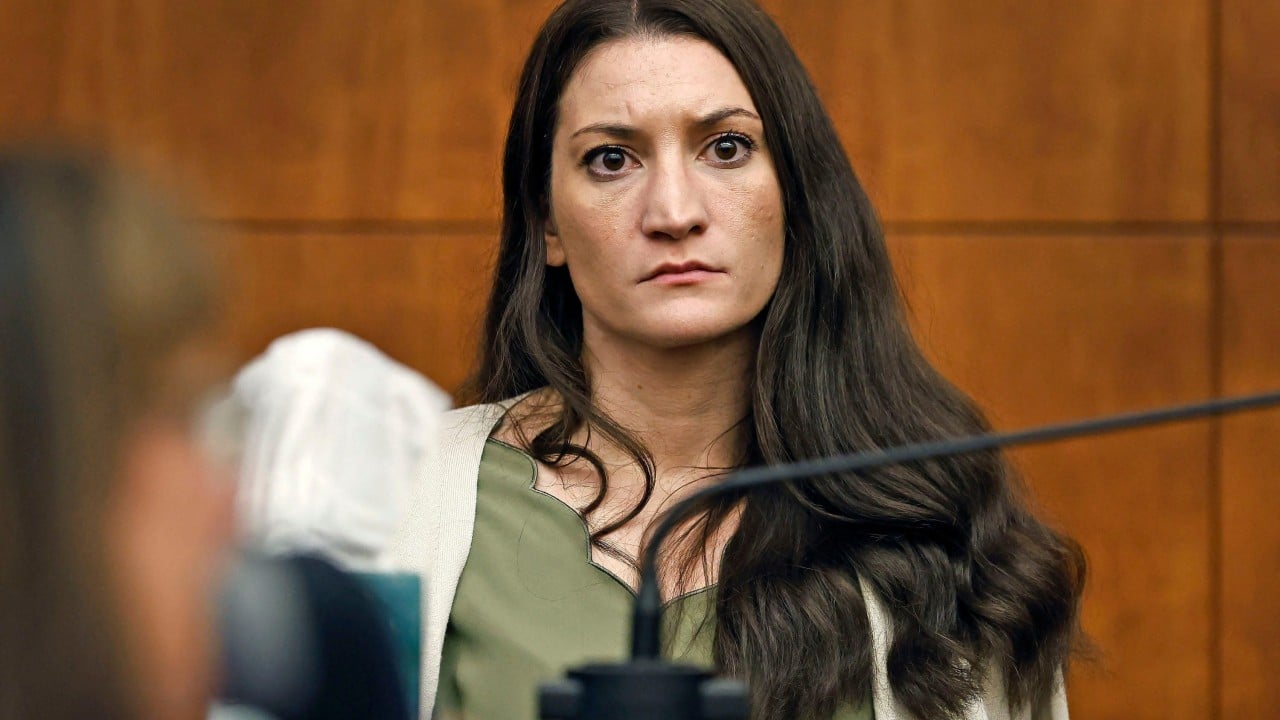
Courtrooms are heavy places, but few rooms have ever felt as suffocating as the Plymouth Superior Court when Patrick Clancy’s 911 call echoed through the speakers.
Jurors sat in silence. Lindsay Clancy sobbed at the defense table. Anyone following the trial heard the exact moment a normal evening shattered into an unimaginable nightmare.
The audio captures a husband returning from a simple errand—picking up takeout and pharmacy items—only to find an eerie silence, blood in the bedroom, and his wife injured in the yard below. Then comes the frantic dash inside, the sudden descent to the basement, and the raw, soul-crushing scream that has defined this high-profile case: "She killed the kids!"
Three years after the January 2023 tragedy in Duxbury, Massachusetts, the legal battle isn’t about who committed the acts. Lindsay Clancy admits she strangled her three young children—5-year-old Cora, 3-year-old Dawson, and 8-month-old Callan—using exercise bands before attempting to take her own life.
Instead, the trial hinges on a terrifying medical question that medical professionals and legal teams are battling over: Was this calculated murder, or was it the catastrophic break of postpartum psychosis?
The Defense Argument Versus the Prosecution Stance
The legal battle lines are drawn sharply. On one side, prosecutors argue that Lindsay Clancy—a former labor and delivery nurse at Massachusetts General Hospital—acted intentionally. They point to the timeline: she sent her husband out for food and medicine, she was captured on pharmacy surveillance, and she engaged in brief phone interactions that prosecutors claim show a calm, calculating mind.
On the other side, defense attorneys argue that she was entirely detached from reality. According to her legal team, she was trapped in a severe medical crisis, hearing internal voices telling her it was her last chance to kill the children before killing herself.
The defense is pushing for a verdict of not guilty by reason of lack of criminal responsibility due to post-pregnancy psychosis. If successful, she will be committed to a state mental health facility rather than spending life behind bars without parole.
The Invisible Danger of Postpartum Medical Failure
What gets lost in the sensational headlines of court testimony is the systemic failure that preceded that January day. Months before the tragedy, Lindsay Clancy experienced severe mental health deterioration, intrusive thoughts of self-harm, and deep despair.
She sought help. She consulted postpartum specialists, cycled through a cocktail of psychiatric medications, and even checked into a voluntary psychiatric hospital weeks before the incident. She was discharged just 19 days prior to the tragedy.
Patrick Clancy testified that despite knowing about her struggles, no medical professional ever warned him that she shouldn't be left alone with the children. "I didn't know what psychosis was until after this happened," he stated on the stand. That admission highlights a dangerous gap in how extreme maternal mental health issues are communicated to families.
Moving Past Stigma
Postpartum psychosis is rare, affecting roughly 1 to 2 in every 1,000 deliveries, but it is a medical emergency that looks nothing like standard postpartum depression. It involves delusions, hallucinations, and a complete break from reality.
When society treats maternal mental health as a private struggle rather than a critical medical condition, families are left completely unprotected. The courtroom tears and the agonizing 911 audio serve as a grim reminder that awareness campaigns and medication adjustments aren't always enough if the medical system fails to recognize when a patient remains a severe danger to themselves and their dependents.
The trial continues to unfold, forcing the public to confront the horrifying reality of what happens when the human mind breaks completely under the weight of postpartum illness.