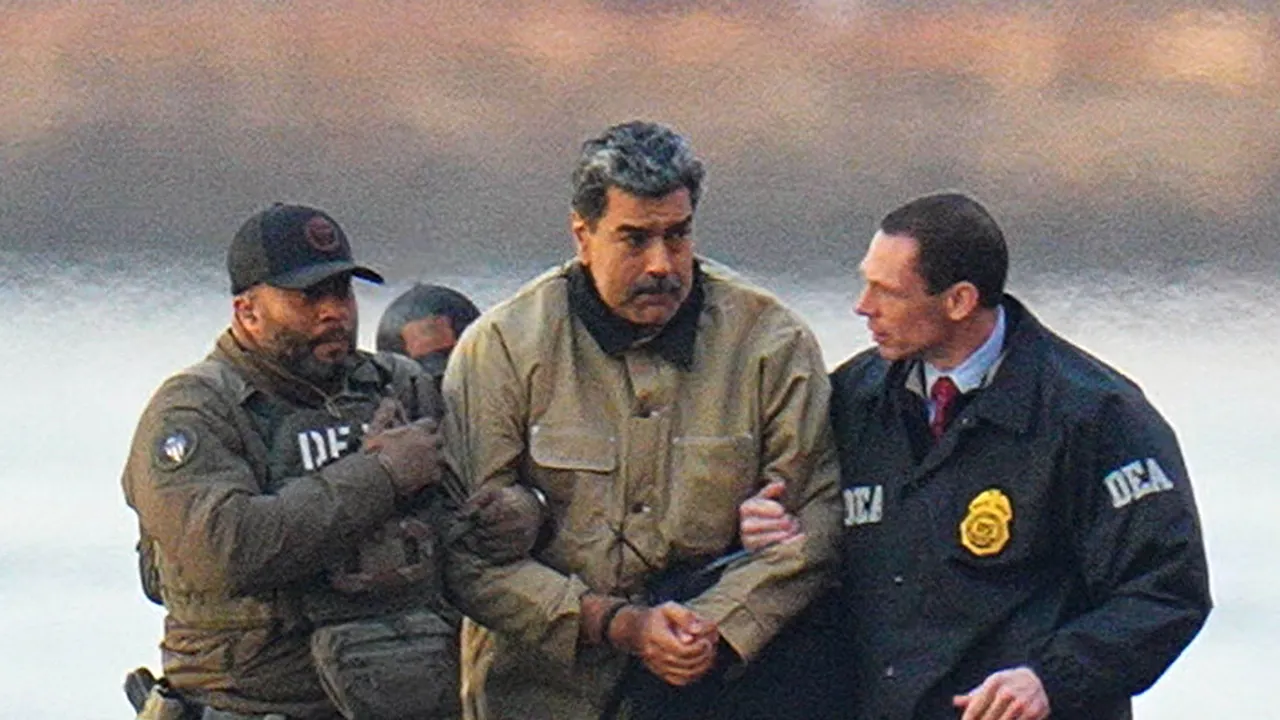
The headlines back in January 2026 screamed about the dramatic capture of Nicolás Maduro by U.S. forces in Caracas. It felt like a movie scene. A president whisked away from his own capital, landed in a New York federal detention center, and left to face the music in a Brooklyn courtroom. If you were watching from the sidelines, it looked like a simple case of external force toppling a regime. But here’s the reality: the fall of Maduro wasn’t just a U.S. military operation. It was a collapse from within.
When a government loses its grip, it doesn't happen overnight. It happens the moment the people holding the inner circle together stop believing the fairy tale. For years, Maduro’s administration relied on a specific brand of loyalty—a mix of ideological fervor and, more importantly, shared stakes in the regime’s survival. Once that survival was no longer guaranteed, the "abandonment" wasn't a sudden betrayal. It was a rational exit strategy for everyone left behind.
The Myth of Total Loyalty
We often talk about authoritarian regimes as monolithic blocks. We imagine a leader at the top and a chain of command that never bends. That’s rarely true. In reality, Maduro’s government was a fragile coalition of military officials, intelligence chiefs, and political operators who all had one primary goal: self-preservation.
When U.S. forces seized Maduro and his wife, Cilia Flores, on that January morning, the remaining power players in Caracas didn't rush to the barricades. They didn't stage a counter-coup. Instead, they did exactly what anyone in a sinking ship does—they looked for the lifeboats. The speed with which his former deputy, Delcy Rodríguez, moved to stabilize her own position—with backing from Washington—tells you everything you need to know about the depth of "loyalty" Maduro commanded.
It turns out that when the boss is being held at the Metropolitan Detention Center in Brooklyn, the "ideological" commitment to his regime evaporates pretty quickly.
Why the Transition Actually Matters
The current situation in Venezuela isn't just about Maduro sitting in a cell. It’s about the messy, unpredictable process of cleaning up the wreckage. Since his removal, the interim government has been forced to navigate a landscape defined by economic ruin, a massive humanitarian crisis, and the challenge of reintegrating a fractured society.
Look at the numbers coming out of the prison releases. Since January 3, 2026, over 1,000 Venezuelans previously classified as political prisoners have been released. That’s not a rounding error. That’s a fundamental policy shift. It suggests that the new guard isn't just trying to replace the old one; they’re trying to distance themselves from the specific mechanisms of terror that defined the last decade.
However, let’s be clear: this isn't an overnight conversion to liberal democracy. It’s a transition defined by compromise. When the interim leadership talks about "reconciliation," they’re talking about survival. They’re dealing with the fallout of the June earthquakes that killed over 6,300 people, a disaster that surely accelerated the need for international cooperation and funding.
The Legal Reality in Brooklyn
Maduro is currently awaiting a trial scheduled for June 2027. His legal team is naturally focusing on the circumstances of his capture. They want to argue that the U.S. operation was an illegal abduction. That’s the classic play. But whether or not the trial turns into a constitutional debate, the fact remains that Maduro is effectively a historical figure.
His presence in a New York jail is a symbolic anchor for the current administration in Caracas. It ensures he cannot return, cannot pull strings from the shadows, and cannot claim to be an exiled leader in waiting. He is isolated, and for the people currently holding power in Venezuela, that is exactly where they need him to be.
Moving Forward
If you’re looking for a lesson here, it’s about the fragility of power built on fear. You can build a regime on force, but you can't build a legacy on it. The moment the cost of supporting the leader outweighs the benefit of his presence, the house of cards comes down.
For Venezuelans, the focus is shifting away from the spectacle of the Brooklyn courtroom and toward the ground-level reality of rebuilding. The next steps for the country aren't going to be found in a U.S. indictment. They’ll be found in how the interim government handles the economy, how they address the remaining political prisoners, and whether they can actually provide the stability they’ve promised. The international community is watching, but for those on the ground, the only thing that matters is what happens next in Caracas.
A detailed look at the 2026 Venezuela transition
This video provides important context regarding the legal proceedings and the trial timeline for the former Venezuelan leadership.
http://googleusercontent.com/youtube_content/1