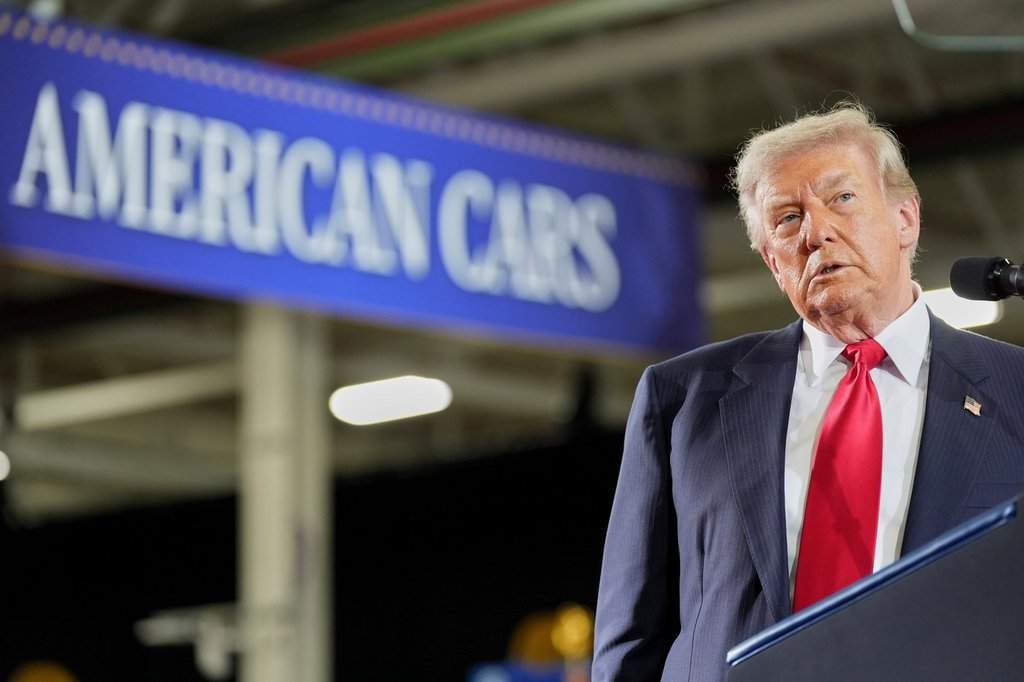
Voters in the American heartland are feeling a heavy squeeze. President Donald Trump touched down at the General Motors Proving Ground in Milford, Michigan, trying to convince a skeptical electorate that aggressive import taxes and trade protection are breathing new life into the domestic car business. But if you talk to local manufacturers, suppliers, and everyday drivers dealing with high fuel prices, the reality looks far more complicated.
Midterm elections are looming large, and the economic mood in crucial swing states like Michigan dictates the political climate. White House allies want voters to believe that sweeping tariffs act as a magic shield for local jobs. On the ground, however, businesses caught in cross-border supply chains tell a different story.
The Michigan Economic Balancing Act
Michigan's economy runs on cars and cross-border trade with Canada. When the administration rolls out steep import duties—including threats of up to 50 percent on a wide array of Canadian goods—local companies feel the friction immediately. Auto parts cross the Detroit River multiple times before a vehicle ever rolls off an assembly line. Adding heavy financial penalties to that loop creates instant chaos for supply chain managers.
Trump pointed to billions in domestic investments made by manufacturers as proof that his protectionist strategy works. Companies like General Motors did indeed announce major domestic spending to insulate themselves from expected tariff impacts. Yet, corporate risk mitigation doesn't automatically translate to relief for small businesses or retail consumers.
Trade lawyers point out that the sheer uncertainty surrounding impending tariff hikes has already cost Canadian and American firms valuable contracts. Buyers pull back when they fear a component might suddenly cost half as much again next month. Small rural manufacturers who rely on exports face genuine existential threats.
Affordability Pressures and Voter Frustration
Politicians can argue about macroeconomics all day long, but shoppers care about what things cost at checkout. Inflation remains sticky across the Midwest. Fuel prices are climbing upward again as geopolitical tensions in the Middle East escalate.
During his Milford appearance, Trump brushed off rising fuel costs with a casual wave, suggesting he could adjust prices like playing a banjo. That kind of rhetorical dismissal doesn't comfort a commuter filling up an SUV or a logistics firm paying extra to move freight. Voters already anxious about household budgets find themselves questioning whether trade wars help or hurt their bottom lines.
Republicans face a tightrope walk this cycle. Local candidates want the endorsement power of the president's base, but they have to answer to voters who are genuinely worried about the cost of living. Democrats are eager to pin rising costs directly on tariff policies and administration missteps.
What Happens Next for the Auto Sector
Tariffs are rarely a blunt instrument that only hurts foreign competitors. They ripple through domestic supply chains, raising input costs for American factories that source specialized parts abroad. Automakers have consistently warned that protectionist levies drive up the final price of cars, making new vehicles less accessible for average families.
If you are tracking how these trade policies affect your business or your investments, watch the negotiation windows closely. Officials have narrow timelines before severe new duty rates become permanent fixtures of cross-border commerce. Companies that diversify their supply bases or lock in long-term supplier agreements now will weather the volatility much better than those waiting for a political breakthrough.
The political fallout in Michigan will serve as a bellwether for the rest of the country. Expect both parties to double down on messaging as primary elections arrive and the midterm countdown accelerates.