History isn't just a collection of dusty dates. It's a series of sharp, violent turns that still dictate how we live right now. If you look closely at the calendar between August 9 and August 15, you find a concentration of events that tore empires apart, birthed new nations, and forever changed human survival.
Most people remember fragments of these days, but the full picture is heavier and more complex than standard textbooks suggest. Let's look at what actually happened during this heavy stretch of August and why those seven days still echo loudly.
The Fire That Didn't Stop at Hiroshima
Everyone knows about Hiroshima on August 6, 1945. But the atomic bomb dropped on Nagasaki just three days later, on August 9, was an entirely different kind of tragedy.
The B-29 bomber Bockscar wasn't even supposed to hit Nagasaki. Its primary target was Kokura, but thick clouds and smoke from earlier conventional bombings completely obscured the city. Running dangerously low on fuel, pilot Charles Sweeney diverted to the secondary target.
When the plutonium bomb nicknamed "Fat Man" detonated at 11:02 a.m. over Nagasaki, it packed a 21-kiloton yield—roughly 40 percent more powerful than the weapon dropped on Hiroshima. Because of the terrain, the surrounding hills contained some of the blast, but the human cost was staggering. Tens of thousands died instantly, and by the end of 1945, radiation and horrific injuries pushed the death toll past 70,000.
Japan announced its surrender days later on August 15, bringing World War II to a close. Yet the shadow of those two August weeks remains the baseline for every modern debate on nuclear deterrence and human ethics.
Independence Born Through Chaos
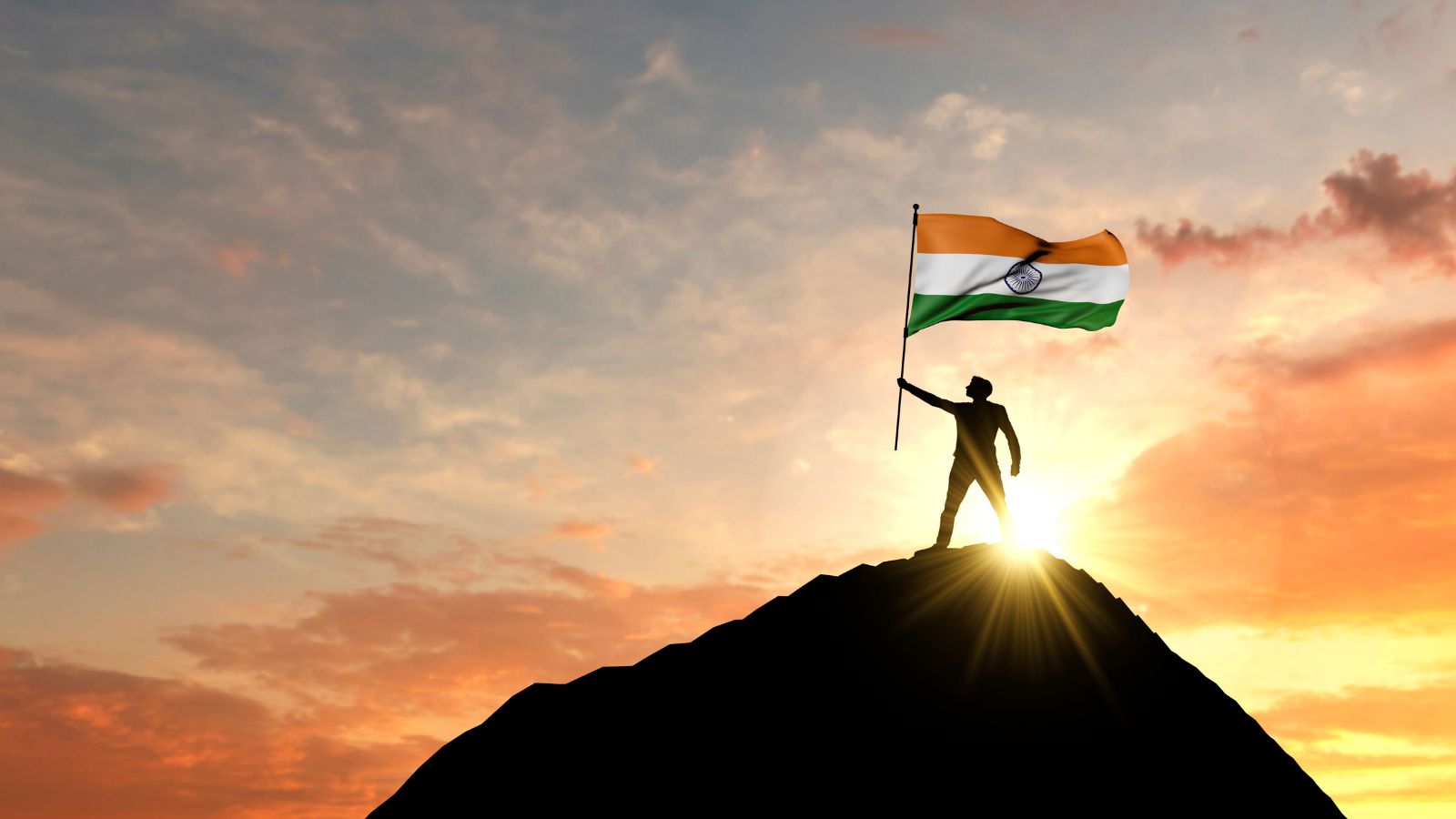
While the Pacific war ended, another massive shift was reaching its boiling point in South Asia. On August 15, 1947, India woke up to a new reality as an independent nation, shaking off nearly two centuries of British colonial rule.
Jawaharlal Nehru delivered his famous "Tryst with Destiny" speech late on the night of August 14, telling a listening nation that humanity was stepping out from the old to the new. It sounds inspiring on paper, but the reality on the ground was brutal.
The hasty drawing of boundaries by British lawyer Cyril Radcliffe—who had never visited India before being tasked with partitioning the country—unleashed one of the largest and most violent migrations in human history. Millions of Muslims fled toward the newly created Pakistan, while millions of Hindus and Sikhs moved in the opposite direction.
Communities that had lived side by side for generations turned on each other overnight. Estimates place the death toll of partition anywhere from several hundred thousand to over a million. Independence didn't arrive quietly; it came wrapped in profound trauma that still influences geopolitics, borders, and national identities across the subcontinent today.
Other Quiet Earthquakes of Mid August
History isn't only made by bombs and border treaties. Other critical moments clustered in this exact week continue to shape daily life.
On August 9, 1974, Richard Nixon became the first and only United States president to resign from office. Facing certain impeachment over the Watergate scandal, Nixon appeared on television to step down, handing power to Gerald Ford. That single week tested the durability of American constitutional democracy and proved that executive power had hard boundaries—at least in theory.
Move back a bit further to August 12, 1851, when Isaac Singer was granted a patent for his sewing machine. It sounds mundane compared to world wars, but this invention revolutionized manufacturing and daily labor. It transformed sewing from an agonizing, endless hand chore into the backbone of the modern garment industry, altering how humans dress and how global supply chains operate.
Why This Week Matters Now
We tend to compartmentalize history into neat little chapters, but August 9 through 15 shows how tightly packed and volatile progress really is. In the span of a few days, humanity witnessed the absolute peak of destructive technology, the painful birth of a massive democracy, the collapse of an American presidency, and industrial shifts that mechanized everyday life.
These aren't just trivia points for a pub quiz. They are the structural pillars of the world you navigate every single morning. When you look at current nuclear anxieties, border disputes, or political scandals, you aren't looking at brand-new problems. You are simply watching echoes of this exact week play out in real time. Pay attention to how the past repeats itself.


