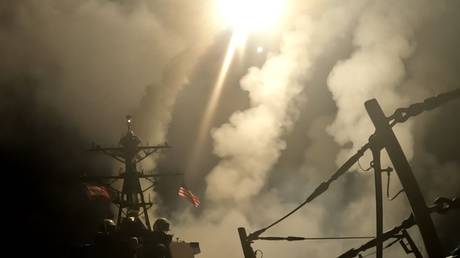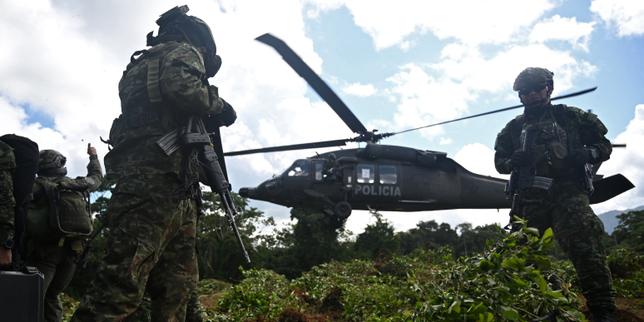
Geopolitics in Latin America just shifted hard. Under newly invested Colombian President Abelardo de la Espriella, Bogota has officially requested Washington's direct military support to wage all-out war against domestic cartels. US Defense Secretary Pete Hegseth confirmed that joint anti-drug military operations are officially back on the table. If you think this is just a routine diplomatic handshake, look closer. This move signals a total reversal of previous policies and rewires security dynamics across the entire continent.
The Policy Reversal That Caught Everyone Off Guard
For years, relations between Bogota and Washington experienced heavy friction, particularly during the leftist administration of Gustavo Petro, where peace talks and alternative development took precedence over hardline military intervention. Enter de la Espriella, a conservative leader who wasted zero time changing course.
Washington responded instantly. The US administration lined up a massive one billion dollar security aid package for Colombia. More importantly, Colombia officially joined the regional military coalition known as the "Shield of the Americas," becoming the 19th state to participate.
This isn't just about seizing cocaine shipments at sea. It is a full-scale institutional pivot toward joint operational tactics, bringing American military assets and intelligence back into direct coordination with Colombian forces.
What Joint Military Operations Actually Mean on the Ground
When politicians talk about "joint operations," it sounds abstract. On the ground, it means deep tactical integration. American intelligence assets, specialized training units, and logistical infrastructure are plugging directly into the Colombian military apparatus.
Cartels have spent years adapting to fragmented, localized law enforcement. They built complex supply chains across jungle borders, utilizing maritime routes and localized corruption to stay one step ahead. Bilateral military cooperation changes the math.
- Intelligence Sharing: Real-time satellite tracking and electronic surveillance supplied by the US give Colombian strike teams unprecedented visibility over remote drug-processing labs.
- Cross-Border Pressure: With Washington pushing regional security initiatives through the Shield of the Americas, cartels lose the safe havens they previously enjoyed near national boundaries.
- Aggressive Interdiction: Expect a sharp increase in high-profile raids, asset freezes, and targeted disruptions of cartel leadership structures.
The Regional Fallout and International Pushback
Not everyone is cheering for this new security pact. Hegseth used the announcement in Panama to launch a scathing critique against international bodies, specifically targeting the International Criminal Court (ICC). Washington has actively urged Latin American allies to abandon the Rome Statute, arguing that globalist legal frameworks unfairly handcuff military personnel engaged in counter-terrorism operations.
This creates an ideological fault line. On one side, you have right-leaning governments eager for American backing to crush entrenched criminal syndicates. On the other side, human rights organizations and regional critics worry that militarized anti-drug strategies will lead back to the abuses of past decades, echoing the controversial tactics of historical interventions.
Why This Matters for Global Security Markets
Drug trafficking isn't just a domestic law enforcement issue; it fuels global financial crime, destabilizes fragile democracies, and feeds transnational networks. When Colombia opens its doors to direct US military collaboration, global illicit supply chains face an immediate bottleneck.
If these joint operations succeed in dismantling core cartel infrastructure, street prices and purity levels across international markets will fluctuate wildly. If they fail, or trigger localized insurgent violence, Colombia risks plunging into a renewed cycle of internal conflict.
The stakes couldn't be higher. De la Espriella has bet his administration's survival on American firepower and shared intelligence. Watch the border zones closely over the next six months because the real test of this alliance is just getting started.