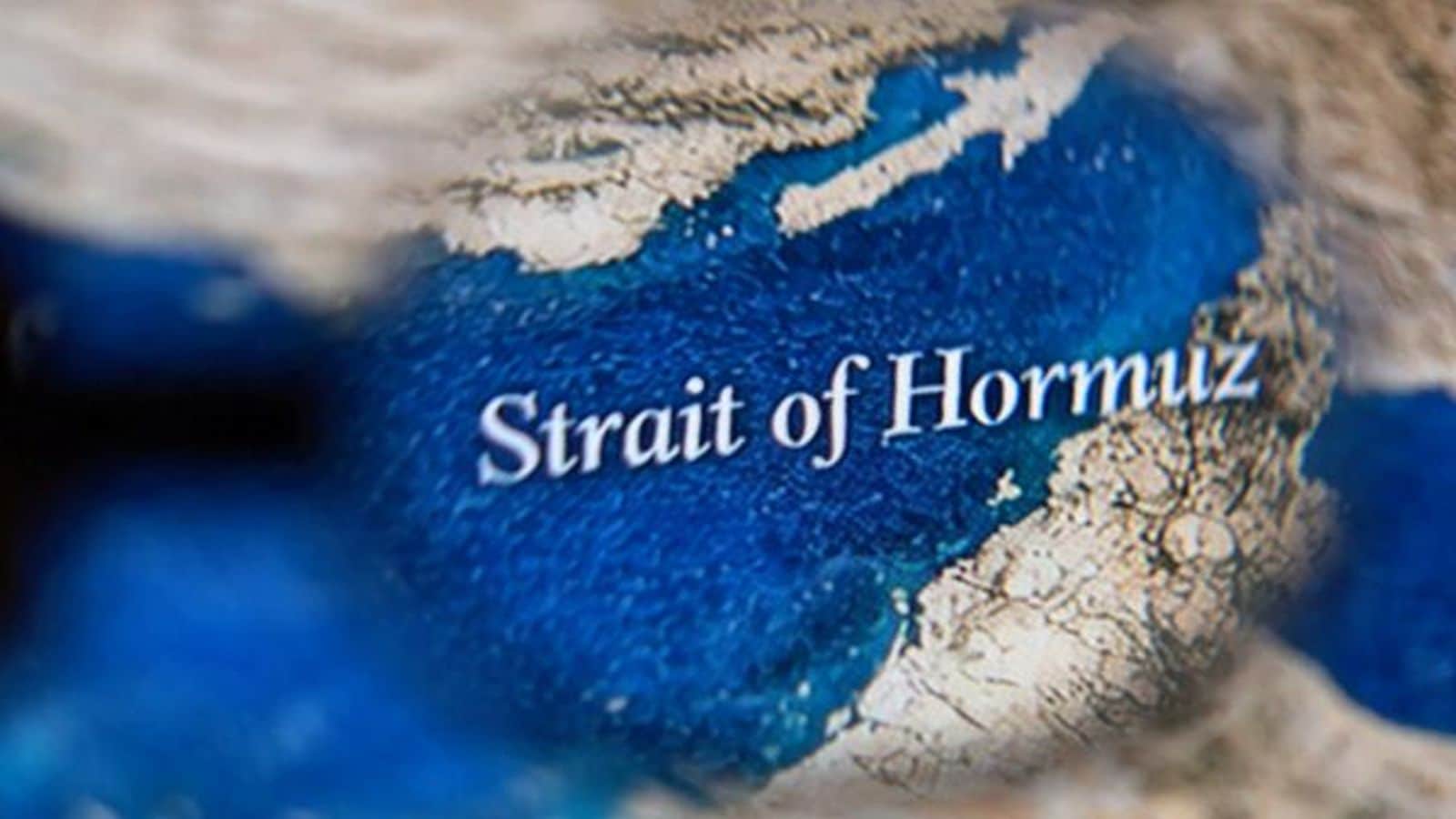
You can't talk about global energy security without talking about a narrow strip of water between Oman and Iran. Roughly one-fifth of the world's oil and natural gas moves through the Strait of Hormuz. When tensions spike there, gas prices jump globally within hours. Oman just stepped in with a high-stakes diplomatic move to change how that vital waterway is managed.
Oman recently handed Iran a proposal backed by regional Gulf states to establish a joint management mechanism for the strait, stripping Tehran of sole control. It is a bold play. If it works, it could permanently alter Middle Eastern maritime politics. If it fails, shipping lanes could remain choked while military threats loom large.
Breaking Down the Omani Proposal
The core idea is simple. Instead of letting Iran dictate terms or handle oversight alone, a regional coalition would share responsibility for the passage.
Oman modeled the framework after the Strait of Malacca, situated between Malaysia and Indonesia. In that Asian shipping lane, commercial vessels voluntarily contribute funds to a shared mechanism. Those contributions pay for navigation aids, environmental protection, and search-and-rescue operations.
Nobody wants mandatory tolls. Gulf states flatly oppose letting Iran impose compulsory taxes on international tankers. By introducing a voluntary contribution model, Oman is trying to thread a very narrow needle. They want to give Iran a seat at a cooperative table while keeping the channel open and affordable for international trade.
Why This Matters Right Now
This diplomatic push arrives on the heels of intense military friction. The United States recently suspended a campaign of airstrikes against Iran, creating a fragile window for negotiations. President Donald Trump noted that talks are moving forward, though he warned that military action could resume if diplomacy stalls.
Iranian Foreign Minister Abbas Araqchi has been busy on the phone, holding discussions with his counterparts from Oman and Saudi Arabia. Tehran has blamed U.S. aggression for creating instability in the passage, insisting that the strait cannot simply return to pre-war routines without major changes.
At the same time, regional security remains deeply fragile. Saudi Arabia recently intercepted multiple drones targeting oil infrastructure, allegedly launched by militias backed by Iran in Iraq. These incidents prove that a ceasefire in the air doesn't automatically mean safety on the ground or the water.
The Obstacles Ahead
Don't expect an immediate signature on a dotted line. Negotiators are currently zeroing in strictly on shipping arrangements rather than trying to untangle the entire Middle Eastern geopolitical web. Even with that narrow focus, serious disagreements remain.
Iran and the Omani mediators are still clashing over core details, including whether passing ships should face pressure to pay transit fees. U.S. officials and regional analysts note that a formal consensus is far from guaranteed. Tehran is fiercely protective of its sovereign rights along its coastline, and sharing maritime oversight is a bitter pill to swallow.
Oman has built a reputation over decades as the Middle East's quiet, reliable mediator. They talk to everyone, trust everyone, and usually manage to keep communication channels open when everyone else is shouting.
Keep an eye on how Tehran responds to the Malacca-style framework over the coming weeks. If Iran accepts a shared regional structure, commercial shipping traffic could slowly return to normal, stabilizing energy markets. If they reject it, the standoff in the Gulf will only deepen.