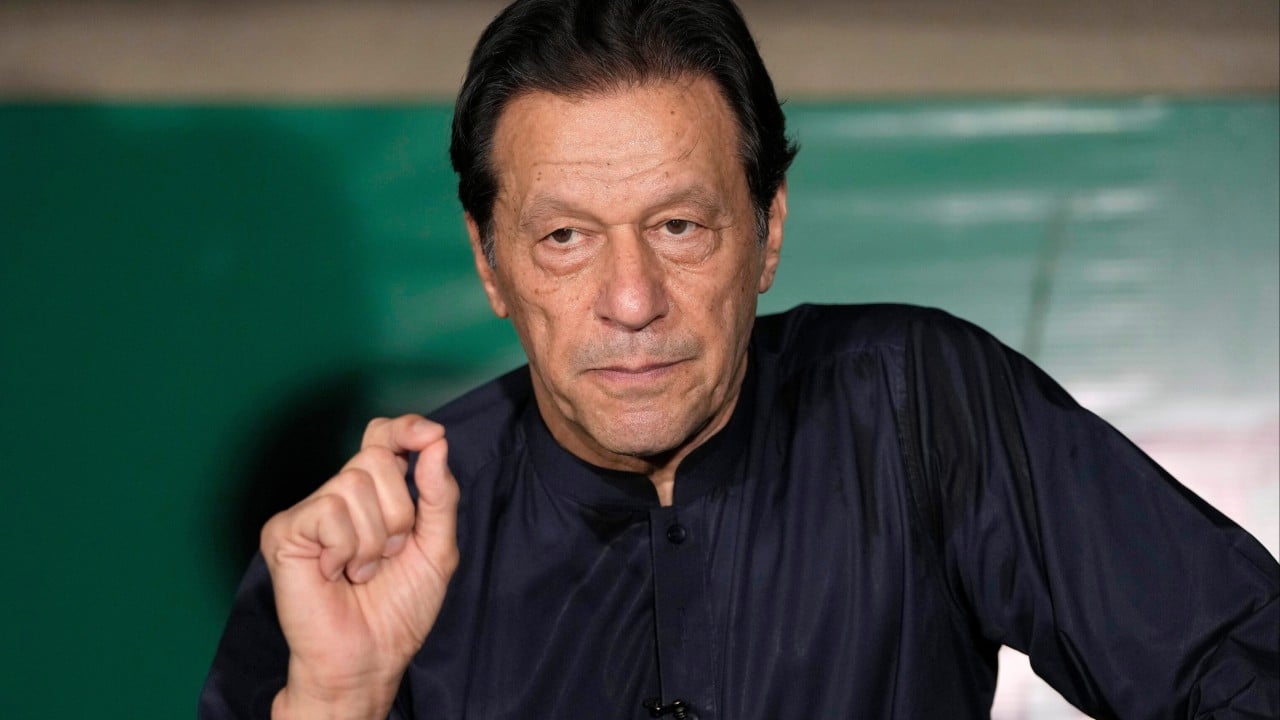
The standoff between the Pakistani state and its most famous prisoner, former Prime Minister Imran Khan, has reached a new boiling point. Earlier this week, the Supreme Court handed down an order that seemed to grant the 73-year-old leader a rare reprieve. The court directed authorities to move Khan from the confines of Adiala Jail to the private Shifa International Hospital in Islamabad for urgent medical assessment.
It took less than 24 hours for the government to pull the emergency brake. Law Minister Azam Nazeer Tarar announced they would challenge the ruling, claiming it sits outside the "four walls of the law."
To understand why this matters, you have to look past the surface-level debate about hospital beds. This isn't just a medical dispute; it's a high-stakes power struggle over optics, legal precedent, and the legitimacy of the current administration.
The legal argument for the status quo
The government’s primary defense is rooted in administrative consistency. Their argument, as articulated by the Law Minister, is that if a convicted prisoner is granted the right to seek specialized treatment at a private, expensive hospital, it effectively collapses the standard operating procedures of the entire penal system.
They argue that thousands of inmates across Pakistan suffer from chronic conditions and limited access to care. If the Supreme Court sets a precedent that a high-profile prisoner can bypass government-run facilities in favor of private institutions, the state worries it will trigger a "floodgate" of similar petitions from every other prisoner in the country.
Basically, the government is betting on the principle of equity—or perhaps just bureaucratic rigidity—to prevent Khan from receiving what his party, the Pakistan Tehreek-e-Insaf (PTI), considers basic human rights.
Why health is the new political battlefield
Imran Khan’s health has become the central focus for his supporters for a reason. Since his arrest in August 2023, his family and legal team have repeatedly signaled alarms about his deteriorating condition. The specific focus has been on his eyesight, with lawyers claiming he has lost significant vision in his right eye due to a condition that hasn't been properly addressed.
The government, conversely, has leaned on reports from state-appointed medical boards. They’ve consistently argued that his vision is either "almost normal" or improving, painting the PTI’s concerns as political theatrics designed to generate public sympathy.
When you see photos of a 73-year-old man who once led the country, the visual of him in a hospital versus a prison cell carries massive weight. For the PTI, getting him into Shifa International isn't just about healthcare. It’s about humanizing him again, taking him out of the gray, anonymous walls of Adiala and placing him in a setting where his status as a former head of state is harder to ignore.
The broader implication of the court order
The Supreme Court’s decision went beyond just the hospital transfer. It also granted provisions for:
- Regular, weekly family meetings.
- Consistent phone access to his sons in London.
- The presence of his personal physician during his medical examinations.
These points are arguably more threatening to the state than the hospital stay itself. Regular contact with the outside world for a leader who still commands a massive, albeit fractured, support base is a logistical nightmare for authorities.
The government knows that Khan’s influence doesn't disappear behind bars. His supporters, who won the most seats in the 2024 elections only to be thwarted by political maneuvering, are looking for any sign of momentum. If Khan regains a platform—even a restricted one—his ability to mobilize his base could intensify the existing pressure on the current administration.
What happens next
The government has filed a formal petition to seek a modification of the court's order. They want his medical evaluations to happen within the public sector, not a private hospital.
If they win this, it reinforces their control over his incarceration and sends a clear message that the judiciary cannot dictate the internal management of the prison system. If they lose, or if the Supreme Court pushes back, it signals a major shift in the balance of power. It would prove that even with a government backed by significant institutional support, the top court still holds the leverage to force their hand.
For the reader watching this unfold, look at how the court responds to the government's "floodgate" argument. The judiciary is walking a tightrope. They are balancing the fundamental human rights of a prisoner against the state's insistence on absolute prison uniformity.
This isn't about whether a 73-year-old gets an eye checkup. It’s about whether the Pakistani state still has the absolute authority to dictate the conditions under which its most potent political rival lives. Keep an eye on the next hearing; it will tell you everything you need to know about the current standing of the rule of law in Pakistan.