You’re driving down a quiet street, just running errands, when a black camera mounted on a pole snaps a photo of your license plate. It’s not a red-light camera. It’s not even a police officer. It’s an automated license plate reader (ALPR), and in 2026, it’s becoming the most hated piece of hardware in America.
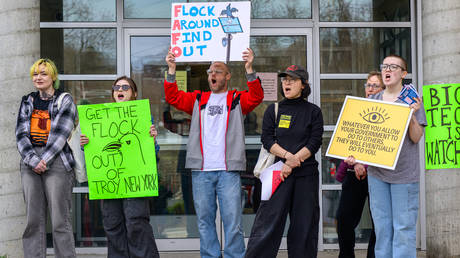
Across the country, a surge of resistance is moving from city council meetings to the streets. People are tired of feeling like they’re living in a fishbowl. Some are protesting legally, pressuring local governments to cut ties with surveillance vendors like Flock Safety. Others aren’t waiting for a vote. They’re taking physical action, disabling and destroying these cameras in a growing wave of vigilante defiance.
The Reality Of The Surveillance Network
If you haven't looked up lately, you might have missed how fast this is happening. These cameras aren't just for high-crime areas anymore. They’re in suburbs, near schools, and outside private businesses. They’re designed to be low-profile, solar-powered, and hyper-efficient at cataloging every movement you make.
The pitch from companies like Flock is simple: safety. They claim these cameras help police solve violent crimes by tracking vehicles in real-time. But for a growing number of citizens, the "safety" trade-off is a scam. It’s about the permanent record of where you go, when you go there, and who you’re with.
When you strip away the marketing, you’re left with a massive, cloud-connected database of public movement. Privacy advocates have pointed out that this data doesn’t just sit in a vacuum. It’s often accessible by multiple agencies, sometimes across state lines, creating a web of surveillance that few people actually signed up for.
Why The Backlash Is Turning Violent
You don’t see this level of property destruction for just any piece of municipal infrastructure. People aren’t out there sawing down traffic lights or painting over stop signs. There is a visceral, personal anger toward ALPRs because they feel like a violation of the "right to be let alone."
The incidents are happening in at least 36 states. The methods vary from the simple—placing stickers or paint over the lens—to the extreme, including cutting down poles or ramming them with vehicles. There’s even an entire subculture online trading tips on how to effectively neutralize these devices.
It’s easy to dismiss this as mere vandalism, but that ignores the political temperature. When people feel like their local government has stopped listening to their privacy concerns, some inevitably turn to "direct action." This isn't just about hating a piece of tech; it’s about a total loss of trust in the institutions that deployed it.
Beyond The Vandalism Debate
While the news cycles focus on the destroyed poles, the real movement is happening in the data. Over 100 cities have already moved to cancel contracts or deactivate their systems. They’ve realized that the cost of these systems—not just the financial expense, but the political fallout and the erosion of public trust—is too high.
Are these cameras actually preventing crime? That’s the million-dollar question. Data on this is shockingly thin. Much of the "success" attributed to ALPRs coincides with broader, national trends in crime drops that occurred in areas both with and without these surveillance networks. Basically, the evidence is flimsy, but the privacy impact is absolute.
What Happens When The Cameras Stay Up
If your city is still holding onto its Flock contract, you’re likely going to see more of this conflict, not less. As AI-powered search features become more advanced, these cameras are evolving from simple license plate readers into all-purpose tracking tools. They can now scan for vehicle attributes and potentially even provide "predictive" analysis, flagging what a computer deems "suspicious" behavior without a human ever making a call.
If you’re concerned about this in your own community, don’t just post on social media.
- Check your public records. See who is actually accessing the data from the cameras in your town. You’d be surprised how often "local" data is being piped to out-of-state agencies or federal databases without your knowledge.
- Attend the council meetings. The most effective way to kill a surveillance program is to make it a political liability for the people who approved it. When city council members start hearing from hundreds of angry voters instead of just one vendor, their appetite for "security" contracts usually dries up fast.
- Connect with local privacy groups. There are organizations specifically mapping these cameras and pushing for transparency laws. They have the resources to help you advocate effectively.
The era of "set it and forget it" surveillance is ending. People are awake, and they’re demanding to know exactly who is watching their every turn.
Protesters push back against surveillance technology
This video highlights the growing public demonstrations where citizens are demanding their local leaders put a stop to the widespread use of automated surveillance in their communities.
http://googleusercontent.com/youtube_content/1