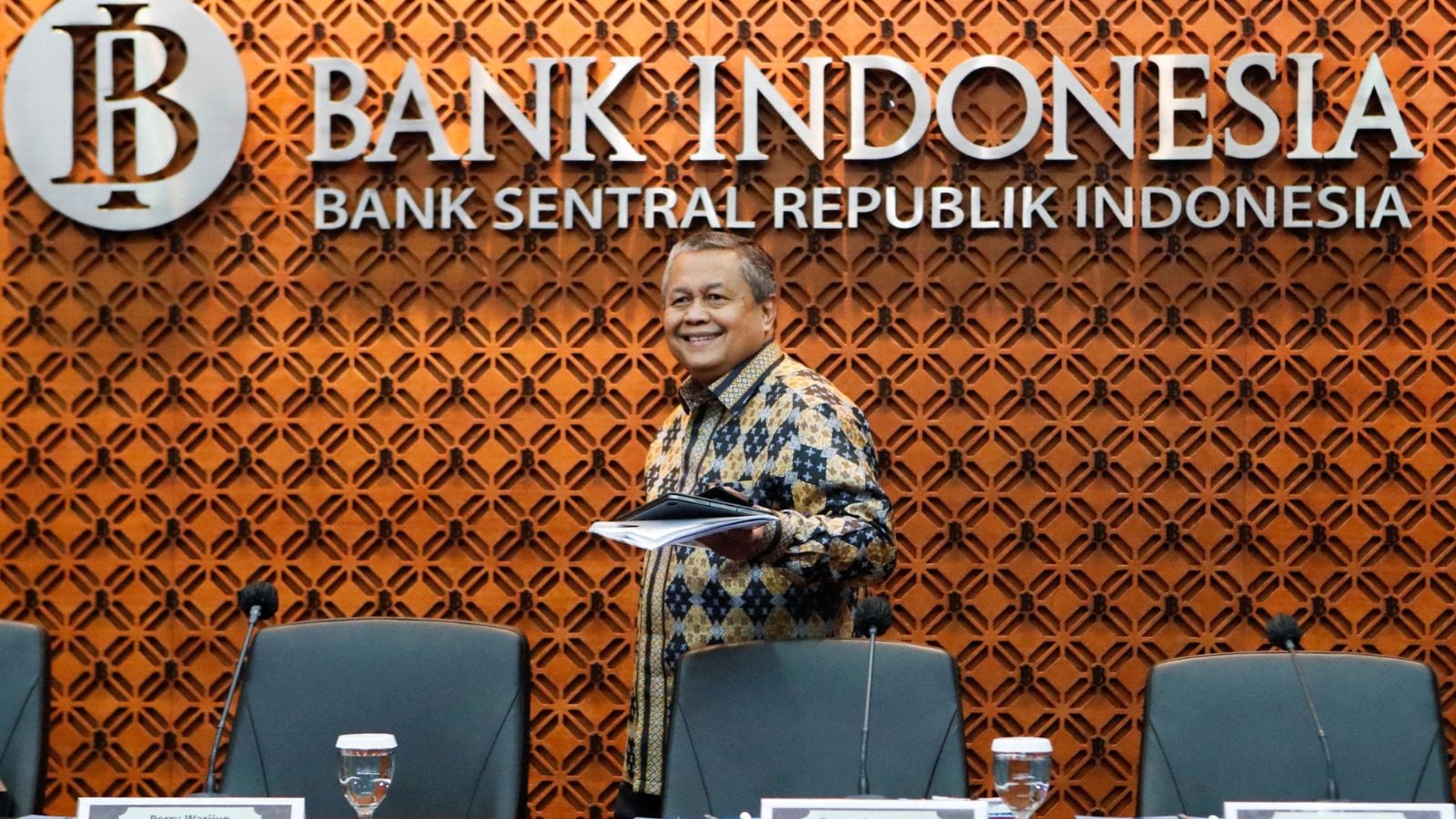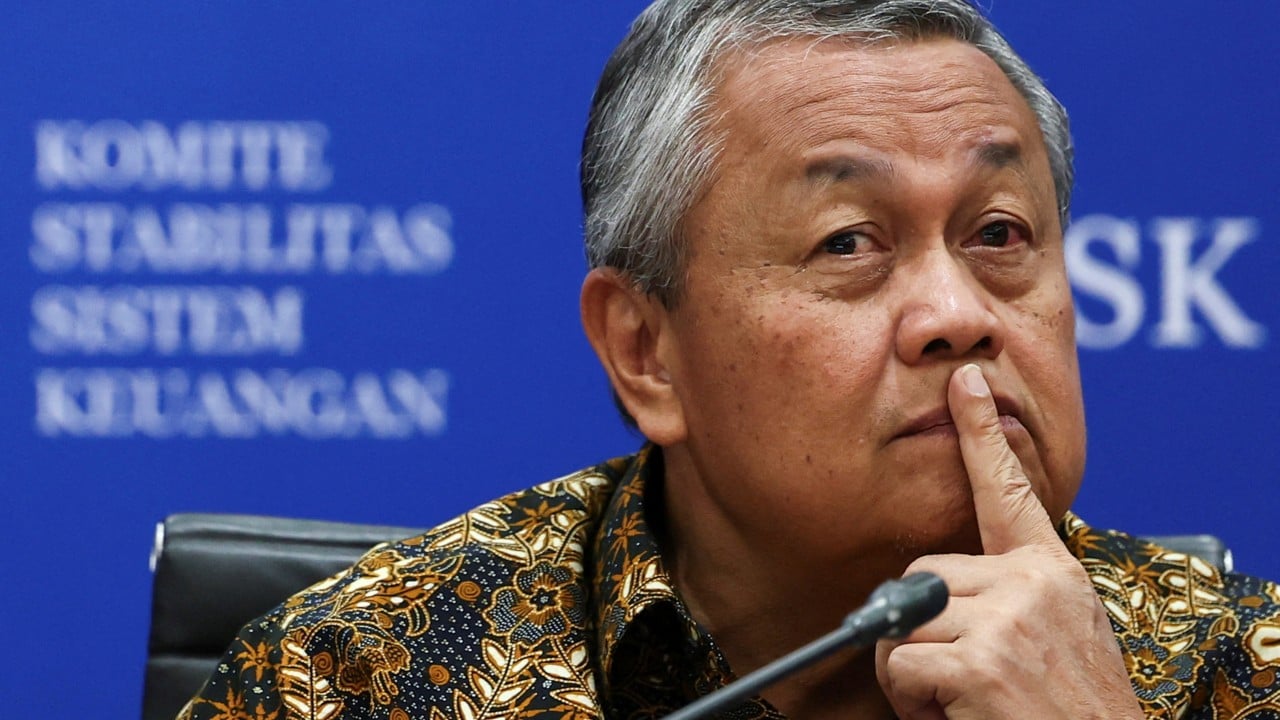
Perry Warjiyo didn't finish his run. After leading Bank Indonesia through chaotic post-pandemic recoveries and massive inflation shocks, the governor abruptly walked away on a Monday morning.
State Secretariat Minister Prasetyo Hadi confirmed that President Prabowo Subianto accepted the resignation letter. Official paperwork points to personal health reasons. Markets, however, rarely take sudden departures at face value.
Senior Deputy Governor Destry Damayanti stepped up as the interim chief. Traders immediately started asking the obvious question: Is Indonesia's central bank about to lose its institutional backbone?
The Pressure Building Behind the Scenes
You cannot look at Warjiyo's exit without looking at the state of the rupiah. Months of heavy currency depreciation, aggressive capital outflows, and global energy shocks put intense strain on Jakarta's financial planners. Lawmakers openly criticized the central bank's defense mechanisms as the rupiah wobbled past painful thresholds.
When economic metrics miss targets, political heat follows. Back in May, members of the House of Representatives openly debated whether leadership changes were needed to restore market confidence. While officials insisted everything was stable, the constant friction between monetary defense and fiscal ambitions wore down the administration's patience.
Worse, institutional trust had already taken a hit earlier in the year. The February appointment of Thomas Djiwandono—President Prabowo's nephew—to a deputy governor seat raised eyebrows across international trading desks. Critics worried about political interference creeping into monetary decisions. Warjiyo's departure blows that debate wide open.
Why Central Bank Independence Matters Right Now
Monetary authorities are supposed to act as the adult in the room. They raise rates when politicians want cheap credit. They hold the line when fiscal spending threatens to spiral out of control.
When a long-serving governor exits mid-term, financial markets assume the worst about institutional capture. Investors hate surprises. They hate uncertainty even more.
The Jakarta Composite Index dipped immediately following the announcement, reflecting broader anxiety over who sits next in the governor's chair. If the administration picks a loyalist willing to monetize debt or fund aggressive populist spending packages, foreign capital will flee faster than you can blink.
Who Steps Into the Vacancy
Speculation is already dominating financial circles in Jakarta. Whispers suggest potential moves involving top economic ministers, raising concerns about whether the firewall between fiscal policy and monetary policy is about to crumble entirely.
Destry Damayanti will keep the ship steady in the interim, but she faces a brutal macroeconomic landscape. Global interest rate trajectories remain uncertain, and domestic consumption needs careful balancing against currency defense.
Keep your eyes on the official nomination announcements coming out of the palace over the next two weeks. That single name will tell you whether Indonesia's economic management stays anchored to market reality or pivots toward political convenience.