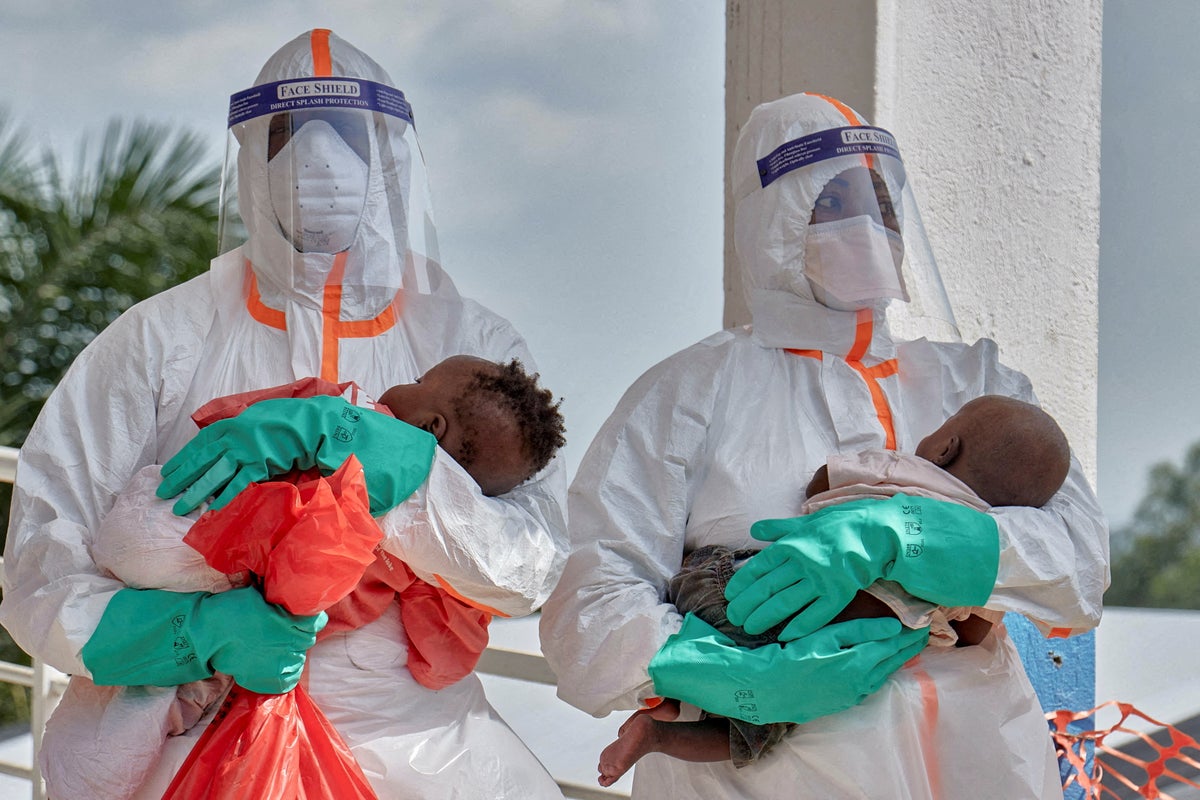
When an epidemic hits a fragile region, the official death toll usually misses the most tragic casualties. Right now in the Democratic Republic of the Congo, maternal mortality rates have doubled in the epicentre of the country's fastest-growing Ebola outbreak. The horrifying part? Many of these women aren't dying from the virus itself. They are dying because fear, misinformation, and collapsing medical infrastructure have turned routine pregnancies into death sentences.
If you look past the standard headlines tracking infection numbers, you find a hidden catastrophe. Let's break down why this happens every time a major outbreak strikes, what makes this specific crisis uniquely brutal, and why traditional emergency responses keep failing expectant mothers.
The Terror of the Hospital Door
Imagine being nine months pregnant in Ituri Province. You feel the familiar, terrifying onset of severe labor complications. Normally, you would head straight to the nearest clinic. Today, you stay home. Why? Because rumor and reality have merged into a terrifying deterrent.
Communities have watched local health facilities pivot entirely to fighting the rare Bundibugyo strain of Ebola. Staff are reallocated, supplies vanish, and distrust takes root. Residents know that walking into a clinic with a fever or sudden pain risks an immediate, isolating quarantine if workers suspect viral symptoms.
Prenatal registrations at urban centers like Bunia's Bénédicte Clinic plummeted from roughly 60 a month down to just 10. Women are choosing the dangerous gamble of unassisted home births over the perceived terror of a contamination ward. Consequently, the proportion of maternal deaths occurring outside health facilities has nearly doubled to 17.4%.
Preventable Tragedies Behind the Numbers
Ebola is terrifying, but preeclampsia, severe malaria, and obstructed labor are entirely treatable when medical professionals are actually able to intervene. Yet, when hospitals shut their doors to routine maternity care or pregnant patients avoid them out of sheer panic, these manageable conditions turn fatal.
The United Nations Population Fund reports that average weekly maternal deaths in Ituri jumped dramatically once the outbreak escalated. Behind those statistics are real mothers leaving behind other children in a region already fractured by chronic conflict, displacement, and severe funding shortages for humanitarian aid.
Contracting the virus while pregnant carries a near-total fetal loss rate, but surviving mothers face an equally cruel paradox. They are often the primary household caregivers and frontline health workers. This dual burden puts women on the front lines of exposure while simultaneously stripping away the systemic safety nets meant to protect their reproductive health.
Breaking the Cycle of Fear
Fixing this crisis requires a complete shift in how medical relief is deployed during viral outbreaks. You cannot just drop treatment centers into communities and ignore the maternity wards next door.
- Isolate treatment without shutting down care: Health authorities must establish completely separate, trusted pathways for maternal health so pregnant women don't have to fear mixing with infection wards.
- Combat misinformation directly: Local midwives and community leaders need resources to debunk the myth that visiting a clinic automatically means forced, terrifying isolation.
- Protect the caregivers: Supply frontline birth attendants and maternity staff with specific personal protection gear built for delivery rooms rather than stripping resources away from obstetrics.
Until medical responders treat maternal care as an essential pillar of epidemic control rather than an expendable luxury, preventable pregnancy deaths will continue to shadow every major outbreak.