Sitting inside a Manhattan courtroom while a deposed foreign leader faces federal drug trafficking charges isn't like watching high-stakes legal TV. It's quieter, heavier, and surprisingly surreal. When Nicolás Maduro walked into the Southern District of New York federal courthouse wearing beige prison garb, he wasn't carrying the posture of a man who once controlled a nation's military and oil wealth. He looked like a prisoner waiting for his case number to be called.
If you followed the headlines, you saw the grand political drama. You heard about military extractions from Caracas and emergency debate sessions at the United Nations. But inside the room, the spectacle boiled down to procedural motions, defense objections, and a 92-year-old federal judge enforcing order.
People want to know what it actually felt like in that room, what the defense is trying to pull off, and whether this trial will actually happen anytime soon. Here is the real story behind Maduro's appearance in federal court.
The Atmosphere inside Room 26B
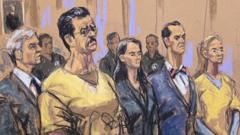
Courtrooms in federal buildings are stark. White walls, wood paneling, heavy security, and rows of oak benches filled with journalists, federal marshals, and legal teams. There are no cameras broadcasting the action live from inside. Sketch artists work furiously with pastels while reporters furiously scribble notes on yellow legal pads.
Maduro entered alongside his wife, Cilia Flores. Both have been held at the Metropolitan Detention Center in Brooklyn following the U.S. military raid that seized them from their Caracas home. Gone were the tailored suits and presidential sashes. Instead, Maduro wore standard-issue prison clothing.
He sat beside his legal team, listening through a translation headset. At key moments, he spoke up in Spanish, declaring himself a "prisoner of war" and asserting that he remains the constitutional president of Venezuela. His defense team, led by attorney Barry Pollack, echoed that argument. They contend that American courts simply lack jurisdiction over a sitting head of state, calling the capture a military abduction.
District Judge Alvin Hellerstein kept the proceedings strictly focused on legal procedure. Federal judges at this level don't indulge grandstanding. When defense attorneys attempted to steer into political grievances, Hellerstein redirected the focus back to schedules, discovery materials, and pretrial motions.
What the Prosecution Is Building
The legal case against Maduro isn't a recent creation. Federal prosecutors in the Southern District of New York first unsealed narco-terrorism and conspiracy charges against him years ago, revising the indictment as new evidence emerged.
The government's argument rests on a few simple claims:
- Maduro allegedly led a drug cartel comprising high-ranking Venezuelan military and government officials.
- Prosecutors claim he collaborated with armed insurgent groups, including the FARC, to facilitate large-scale cocaine shipments heading toward the U.S.
- The defense allegedly utilized state assets, military personnel, and diplomatic channels to safeguard drug corridors.
Federal prosecutors have accumulated massive troves of evidence, including encrypted communication logs, witness testimony from former insiders, and financial tracking data. Because the evidence base is so vast, managing the discovery process has turned into a massive administrative task.
The Primary Defense Strategy
Barry Pollack and the defense team aren't just fighting the factual allegations. They are challenging the fundamental authority of the court to hold this trial.
Their main legal line of attack centers on head-of-state immunity. Under established international legal norms, national leaders are typically immune from criminal prosecution in foreign domestic courts while holding office. The defense argues that because Washington used military force to remove Maduro from his home, his status as a head of state was unlawfully disrupted.
However, U.S. prosecutors maintain that the Executive Branch determines which foreign governments the United States recognizes. Since Washington formally withdrew recognition of Maduro's presidency, prosecutors argue he cannot claim immunity in an American courtroom.
This legal clash will be fully vetted during upcoming pretrial hearings scheduled for late 2026, where the judge will determine whether the case can proceed or if specific charges must be thrown out.
The Long Road to Trial
Anyone expecting a swift verdict will be disappointed. Complex federal cases involving national security, foreign military operations, and classified intelligence take years to prepare.
Judge Hellerstein officially set the trial start date for June 1, 2027. That leaves nearly a year for both sides to litigate preliminary motions, sift through gigabytes of digital evidence, and argue over classified documentation.
Between now and mid-2027, expect a series of tight legal battles:
- Immunity Claims: Arguments over whether foreign head-of-state protections apply to leaders deposed by foreign military actions.
- Discovery Disputes: Defense lawyers demanding access to classified U.S. intelligence reports surrounding the Caracas operation.
- Funding Issues: Earlier arguments regarding frozen Venezuelan assets were already ruled on, but legal fees and resource allocation remain ongoing discussion points.
Why This Courtroom Battle Matters
This case sets a precedent that extends far beyond one man or one country. It tests the limits of U.S. extraterritorial jurisdiction and how federal courts handle foreign leaders captured during overseas military actions.
For observers sitting in that courtroom, the contrast was sharp. Outside, geopolitical statements flew back and forth across international news outlets. Inside, the gears of the federal justice system ground forward steadily, indifferent to the political noise outside.
To track this case effectively as it develops toward the 2027 trial date, keep an eye on court filings from the Southern District of New York rather than political speeches. The real answers won't come from diplomats; they will come from the motions filed on the court docket.