Powering the artificial intelligence boom requires an astronomical amount of electricity, and the Trump administration wants nuclear reactors to pick up the slack. To fast-track this atomic expansion, federal regulators are dismantling a safety philosophy that has guided the industry for half a century. The Nuclear Regulatory Commission is moving to drop the "as low as reasonably achievable" principle, a foundational standard known as ALARA.
If you've followed energy policy even casually, you know that speed and safety are constantly at war. The NRC wants to replace ALARA with a graded approach, arguing that the old rule introduces unnecessary ambiguity for companies building new reactors. Critics, including nuclear safety experts at the Union of Concerned Scientists, argue that ditching the rule opens the door to sloppier plant management and higher exposure risks for workers and communities.
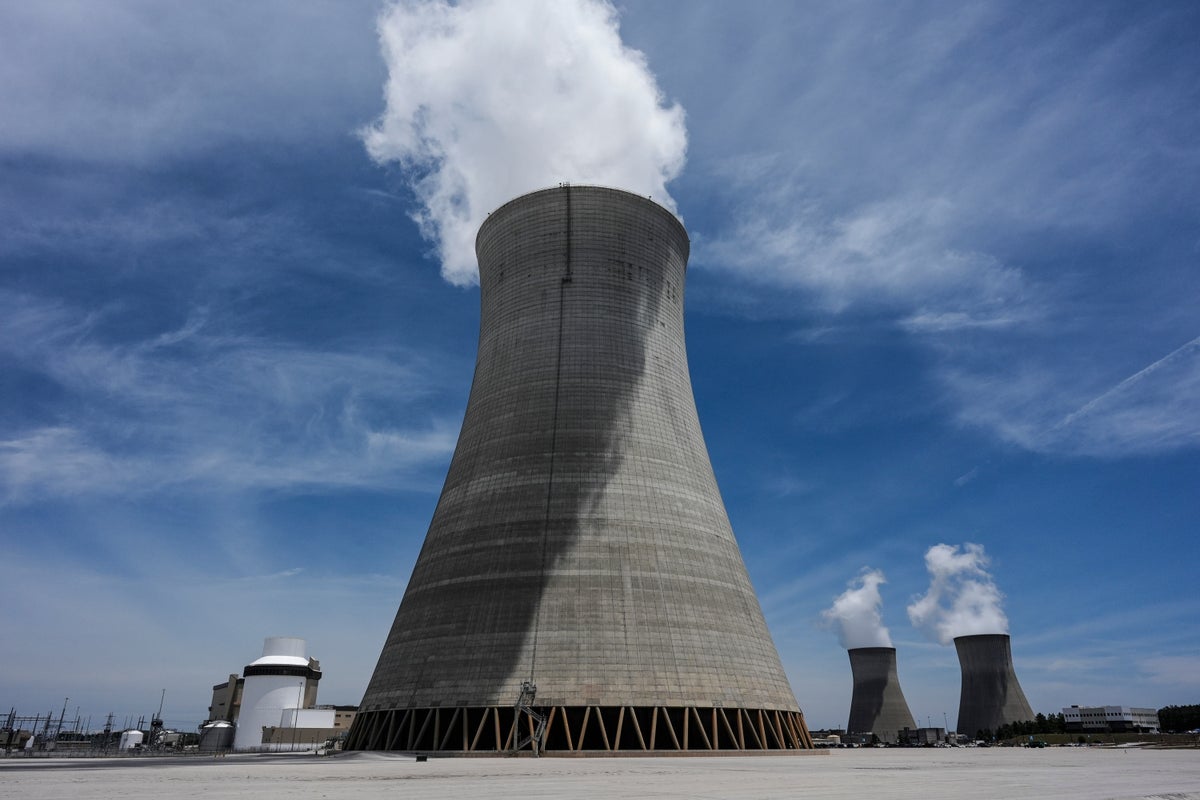
[Image of nuclear power plant cooling towers]
What the ALARA Principle Actually Did
For fifty years, nuclear plants, hospitals, and research facilities didn't just have to stay below maximum radiation dose caps. They had to prove they were actively pushing radiation exposure down to the lowest practical level.
Think of it like speed limits. The maximum dose limit is the hard cap of 55 miles per hour, but ALARA was the social expectation to drive slower if conditions got sketchy. Regulators say maximum dose caps aren't changing. They claim the old framework was a moving target that forced operators to spend massive amounts of money on trivial risk reductions.
Industry advocates argue that the change clears up regulatory confusion. Without the moving target of ALARA, companies designing small modular reactors can map out compliance paths much faster.
Why the AI Boom Changed the Math
Surging power demands from massive data centers changed federal priorities overnight. The White House ordered federal agencies to streamline reactor deployment and remove bureaucratic hurdles that stall construction.
Supporters of the overhaul claim that overly cautious radiation standards ignore the real-world pollution and health risks tied to substitute energy sources like fossil fuels. They argue that balancing safety against the urgent need for reliable baseload power means trimming the fat off legacy regulations.
The Real Risks Behind the Rule Change
Pushback against the NRC proposal is fierce. Edwin Lyman, director of nuclear power safety at the Union of Concerned Scientists, points out that while absolute caps remain, relaxing optimization rules invites complacency.
Another flashpoint is the proposed shift in radionuclide emissions standards. Regulators are looking at increasing emissions limits based on a hypothetical person living right at a plant's property line, moving from a conservative benchmark to a higher ceiling. While the NRC insists real-world exposure will stay low due to natural atmospheric and water dispersion, critics counter that removing explicit optimization mandates takes away the legal teeth needed to hold operators accountable.
Safety isn't just about avoiding a catastrophic meltdown. It's about cumulative, day-to-day exposure for the people who maintain the reactors and live near the fence line.
If you want to track how this plays out, watch the public comment windows and keep an eye on how upcoming small modular reactor designs handle their safety filings. The nuclear renaissance is moving fast, and the guardrails are officially coming off.