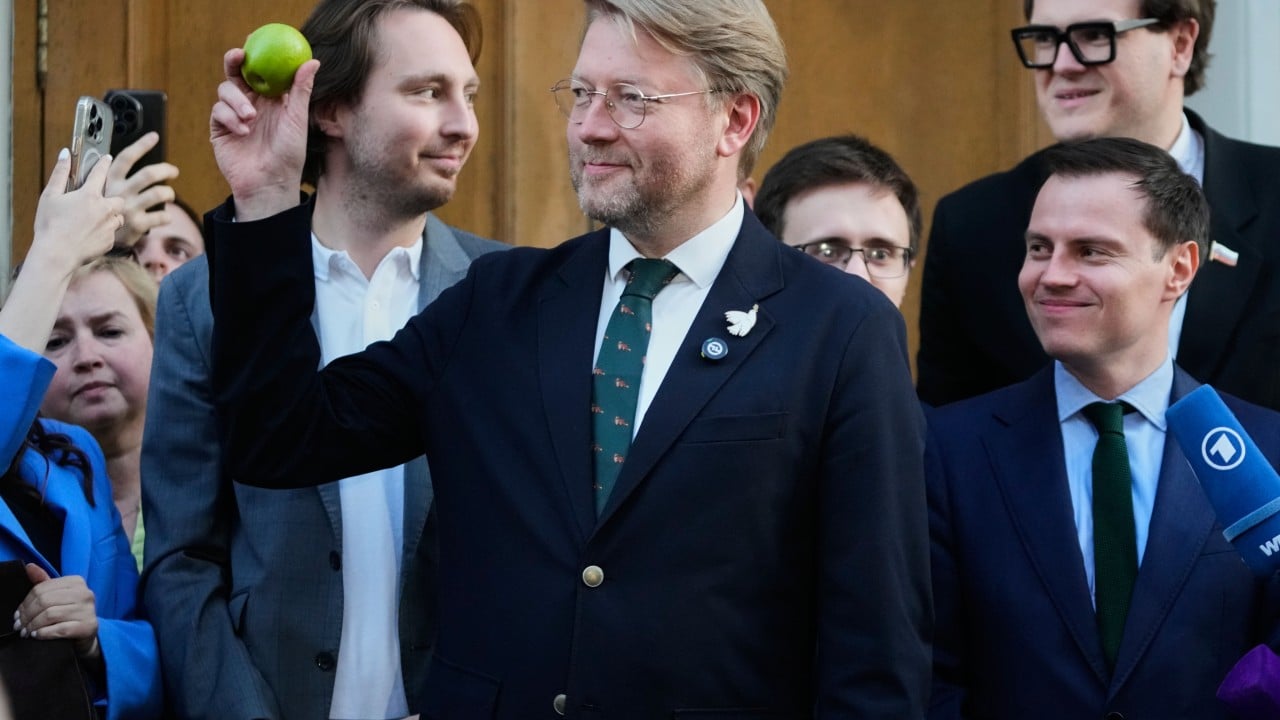
The path to political pluralism just got a lot shorter in Moscow. Russia's Supreme Court officially blocked Yabloko, the country's sole registered anti-war party, from participating in the upcoming parliamentary election.
If you thought legal channels for dissent still functioned in Russia, this ruling shatters that illusion completely.
The move came after a direct appeal from a pro-Kremlin rival party, wiping out Yabloko's ballot registration entirely. Just weeks earlier, the Central Election Commission had greenlit the party alongside ten others. That brief window of openness has slammed shut.
The Last Voice on the Ballot
Yabloko, whose name translates to "apple" in Russian, carried a heavy burden. Founded back in 1993 following the Soviet collapse, it spent decades as a liberal, often marginalized voice in the political wilderness.
By the time Moscow launched its military action in Ukraine, Yabloko stood alone. It was the only registered political faction willing to run an open platform centered on peace.
Their campaign slogans weren't subtle. They openly pushed for:
- Immediate ceasefire agreements and renewed diplomacy
- The prevention of catastrophic nuclear escalation
- A domestic political climate free from fear and state repressions
Figures in exile—including Yulia Navalnaya, the widow of late opposition leader Alexei Navalny—had urged Russian voters to back Yabloko as a quiet form of protest. That endorsement likely signed the party's institutional death warrant.
Cracking Down on the Dissenters
You cannot understand this ban without looking at the severe personal costs borne by party members over recent months. The legal roadblock is just the final stroke in a long campaign of attrition.
Party leadership has faced systematic dismantling. Maxim Kruglov, the deputy head of Yabloko, was sentenced to seven years in prison over social media posts critical of the army. Other regional branch leaders, such as Pskov chief Lev Shlosberg, faced arrest. Even party leader Nikolai Rybakov found himself slapped with fines and barred from running personally after sharing an image of Alexei Navalny online.
Around 40 party activists faced various forms of state prosecution, with nearly a dozen sitting behind bars or in detention.
Why the Kremlin Panicked Over an Unlikely Threat
Realistically, Yabloko wasn't going to sweep the State Duma. Independent polling earlier this year put their support hovering around three percent. That sits well short of the five percent threshold required to secure seats in Russia's lower house of parliament.
So why bother crushing them?
Because elections in tightly controlled systems aren't just about vote counts. They are about optics and momentum. Independent surveys, including data from the Levada Center, indicated that younger demographics showed surprising interest in anti-war messaging. Around 400 candidates running under the Yabloko banner were under thirty years old.
The party tried to turn the upcoming September vote into an unauthorized referendum on the conflict itself. They wanted to prove that millions of citizens opposed the current trajectory.
The Kremlin decided it couldn't risk letting that sentiment find a legal outlet on paper ballots.
The courtroom door is locked. The ballot is sanitized. Politics inside Russia continues on Moscow's terms alone.