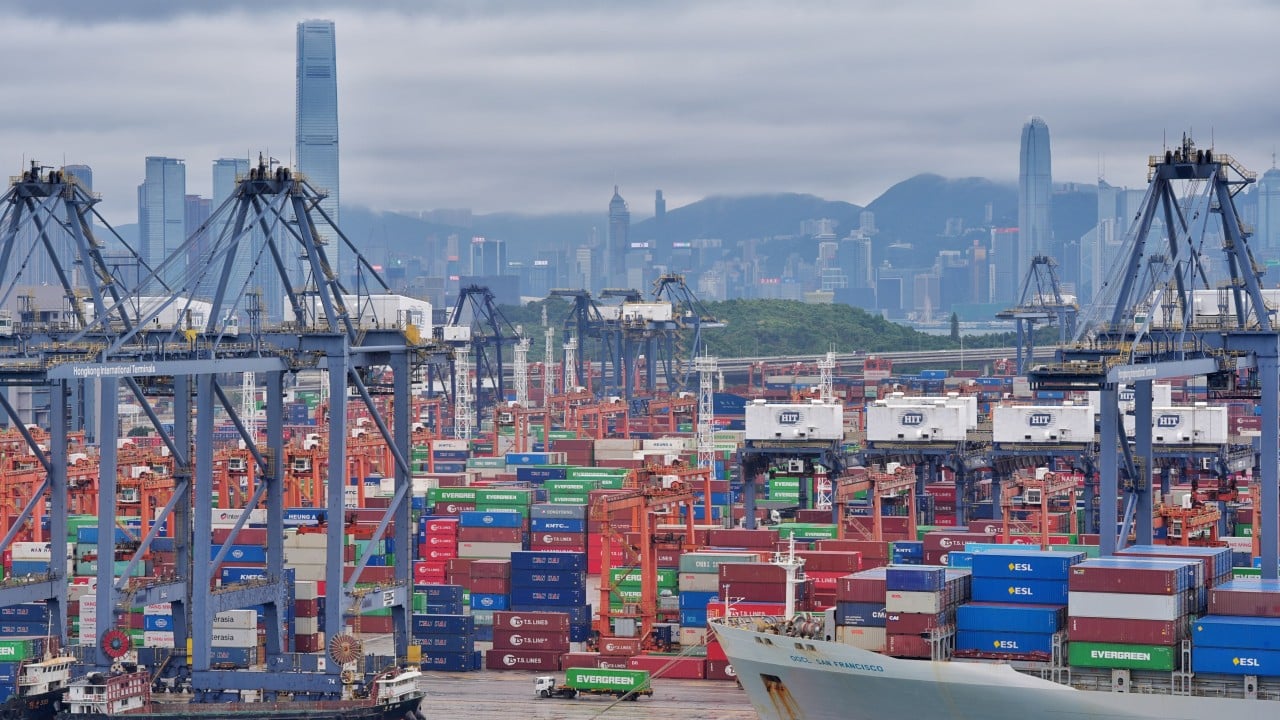
Droughts change global trade overnight. You pay the price at the checkout counter without ever realizing a massive container ship just dropped four million dollars to skip a line.
Let that sink in. Four million bucks. Just to cut in front of hundreds of other vessels stranded in a massive bottleneck.
Most people think global supply chains run like clockwork. They assume cargo moves smoothly from Asian ports straight to American shelves. They are wrong. When a severe lack of rainfall chokes the water levels in the Panama Canal, shipping companies face a brutal choice. Wait weeks burning fuel and losing contracts, or pay a king's ransom at an auction to bypass the queue.
Understanding the Panama Canal Auction System
The Panama Canal Authority doesn't just hand out priority slots to whoever shouts the loudest. They run a daily auction system for booking transit slots when draft restrictions tighten up.
Think of it like a high-stakes eBay for maritime transport. When water levels drop in Gatun Lake due to changing weather patterns, the canal reduces the number of daily vessel transits. Demand skyrockets. Supply plummets.
Shipping liners desperate to get perishable goods, electronics, or time-sensitive industrial parts across the globe bid insane amounts of cash. Bids routinely cross millions of dollars on top of standard transit tolls.
I talked to logistics managers who sweat bullets over these auctions. If a multi-million-dollar cargo of liquefied natural gas or high-end electronics sits stranded for twenty days, the financial penalty from delayed deliveries dwarfs the auction fee. Paying four million dollars looks cheap when the alternative is a breach of contract.
Why Water Scarcity Controls Your Grocery Bill
Water is the invisible fuel of modern shipping. The Panama Canal relies on millions of gallons of freshwater to lift and lower ships through its lock system. Every time a ship passes, fresh water flows out to sea.
When rainfall drops, the canal administrators have no choice. They lower the maximum draft allowed for ships.
Vessels must lighten their load. That means cargo gets left behind on the docks, requiring extra ships to haul the rest. Or, ship owners wait for days or weeks in the anchorage zones off the coast, burning heavy fuel oil and inflating operational costs.
Those extra costs don't vanish into thin air. They trickle down. Freight rates spike. Importers pass those expenses on to wholesalers. Wholesalers pass them to retailers. You stand in the grocery store aisle wondering why everyday items cost more. Part of that answer lies in a dry lake bed in Central America.
How Shipping Lines Navigate the Crisis
Smart operators stopped relying on guesswork years ago. They use predictive analytics to monitor weather patterns months in advance. But nature still throws curveballs.
When an auction slot pops up, decision-makers act in seconds. Hesitate for a minute, and a competitor snags the priority transit.
Here is what actually happens behind the scenes during a crunch:
- Cargo allocation shifts dynamically between sea routes and air freight.
- Companies reroute smaller vessels to avoid the deepest draft restrictions entirely.
- Executives run cost-benefit analyses comparing multi-million dollar auction bids against massive port demurrage fees.
You can't fake this stuff. If you run logistics without contingency funds for canal transit volatility, your margins disappear overnight.
The Broader Impact on Global Trade Routes
People talk about the Suez Canal or the Strait of Malacca, but the Panama Canal handles a massive chunk of global container traffic, especially between Asia and the East Coast of the United States.
When this artery clogs, alternative routes look tempting. Ships can steam all the way around the southern tip of South America via Cape Horn. But that adds thousands of miles and weeks to the journey. Burn rate goes through the roof. Emissions spike.
Is it faster to pay four million dollars to skip the line? Usually, yes.
That reality forces shipping lines to rethink long-term strategies. Some ports are investing heavily in intermodal rail connections across North America to bypass maritime bottlenecks altogether. Others are retrofitting fleets to carry lighter loads more efficiently.
The days of cheap, invisible shipping are over. Weather volatility and infrastructure strains mean bottlenecks will happen again. Next time you read about a ship dropping a fortune to cut the line, remember it is just business as usual in a world running out of water.