When temperatures surge past 41 degrees Celsius, normal safety measures stop working. South Korea is currently finding that out the hard way as a brutal, record-shattering heatwave grips the nation.
If you are wondering how a country handles a weather crisis that has already claimed more than 20 lives and forced the government to declare a national disaster, the answer involves high-tech solutions deployed in surprisingly low-tech places. Rural fields, busy transit hubs, and crowded public spaces are ground zero for an emergency response that feels straight out of science fiction.
Let's look at what is actually happening on the ground and why standard heat advisories are getting a massive technological upgrade.
The Drone Surveillance Patrols in Rural Farmlands
Traditional loudspeaker warnings installed on village town halls usually do not cut it when a farmer is deep into tending pepper crops under a blinding sun. Sound gets lost, and elderly workers lose track of time.
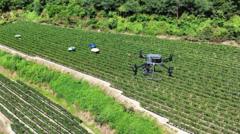
To solve this, regional authorities in North Gyeongsang Province launched a fleet of specialized drones. These aren't just for taking pretty landscape photos. They carry thermal imaging cameras and loudspeakers to hunt down heat risks in agricultural belts.
- Drones fly up to five kilometers from their launch points to reach remote fields.
- Thermal cameras scan for overheating individuals or risky field conditions.
- Built-in speakers blast direct commands telling farmers to pack up and get into the shade.
North Gyeongsang accounts for nearly 17 percent of the country's farming households, and over half of those workers are 65 or older. When you mix an aging workforce with extreme climate shifts, manual checks by human officials become impossible. Drones bridge that gap by patrolling twice a day to intercept vulnerable workers before heatstroke sets in.
Farmers like 69-year-old Hwang Hyun-guk report cutting their daily field hours down significantly, noting that crop yields have already taken a brutal 30 percent hit from the scorching conditions.
Urban Battlegrounds and Infrastructure Strain
While rural areas rely on aerial intervention, cities are fighting the heat dome from the pavement up. Seoul and other major urban centers are deploying fleets of water-spraying trucks to cool down hundreds of kilometers of asphalt daily.
Public transit hubs and subway stations are seeing heavy traffic from residents seeking refuge in designated cooling shelters. The government has mobilized thousands of nurses and care workers to conduct physical check-ins on tens of thousands of vulnerable residents, including disabled and chronically ill citizens.
The geographic scale of this heat is staggering. Cities like Yangsan and Goryeong have pushed past 41 degrees Celsius, rewriting modern weather records that stretch back over a century. Even coastal cities like Busan, normally spared by ocean breezes, are baking under hot westerly winds funneled across the peninsula.
What Happens Next as the Weather Shifts
Authorities aren't just dealing with stationary high pressure. Meteorologists are closely tracking Typhoon Dolphin moving north across East Asia. Storm systems like this carry a dangerous double-edged sword. They can either draw in worse easterly winds that spike the heat even higher, or smash the heat dome apart with torrential downpours and destructive winds.
Until the path of the storm clarifies, the national response remains at peak alert level. If you are traveling through or living in the region, expect transit delays, sudden public shelter activations, and automated aerial warnings if you linger too long outdoors during peak afternoon hours.
Extreme weather is rewriting local safety playbooks. South Korea's high-tech response offers a clear preview of how heavily populated regions will have to adapt when summer weather turns lethal.
Korea sizzles as record heat grips southeast; set to spread nationwide
This broadcast report provides a detailed look at the meteorological factors driving the extreme temperatures across South Korea and the immediate municipal responses.
http://googleusercontent.com/youtube_content/1