Reports emerged this week that the Trump administration is weighing military strikes against Jama'at Nusrat al-Islam wal-Muslimin, better known as JNIM, an al-Qaeda affiliate operating in Mali. If Washington moves forward, Mali will become the eighth nation targeted by U.S. airstrikes under Donald Trump’s second term—joining a list that already includes Yemen, Somalia, Syria, Iran, Iraq, Nigeria, and Venezuela.
It’s a striking expansion for an administration that constantly preaches non-intervention and American energy independence. But looking closely at the situation on the ground in Bamako and the wider Sahel, jumping headfirst into Mali's military conflict is far more complicated than sending a few reaper drones over the desert.
The Washington Friction Over Sahel Intervention
Internal debate inside the White House isn't quietly happening behind closed doors anymore; it's spilling into public view. Sebastian Gorka, the National Security Council's senior director for counterterrorism, has emerged as the loudest advocate for aggressive air combat against JNIM. His argument rests on striking terror groups before they project power across West Africa.
On the other end of Pennsylvania Avenue, the State Department is walking on eggshells. When asked whether Secretary of State Marco Rubio backs direct kinetic operations in Mali, officials sidestepped direct approval, opting instead to condemn terrorism and preach "regional ownership".
Why the hesitation? Because Mali isn't a blank canvas.
The military junta in Bamako, which seized power in back-to-back coups in 2020 and 2021, kicked out French troops and former Western partners years ago. They handed their security portfolio directly to Moscow, bringing in Russia’s Africa Corps—the rebranded successor to the Wagner Group.
Now, the White House finds itself in an awkward position. Administration spokespeople openly blast Moscow for its "terrible performance" in combating jihadists while simultaneously trying to strike deals with the very Malian generals who invited Russian mercenaries in.
Russian Failure Created the Void
To understand why U.S. intervention is being discussed at all, you have to look at Russia’s crumbling security record in the Sahel.
Moscow promised Bamako quick, ruthless, and unrestricted counter-insurgency support. Instead, JNIM has only grown stronger.
In April, a coordinated strike by JNIM and regional insurgents resulted in the death of Mali’s Defense Minister, Sadio Camara. By July, JNIM ambushed a major military convoy between Gao and Anefis, killing dozens of Malian troops along with Russian Africa Corps personnel. Videos circulated online showing government soldiers surrendering en masse.
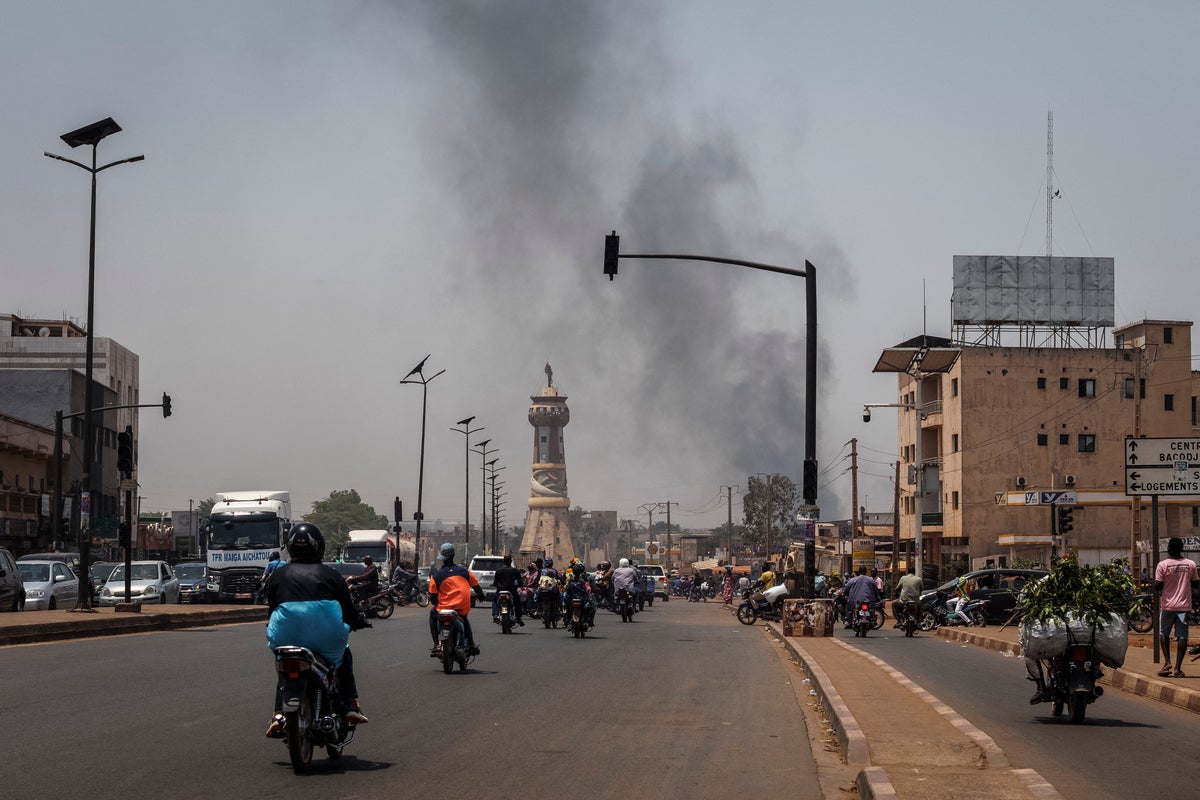
Mali’s military regime attempted to squeeze jihadist strongholds by banning rural fuel sales. JNIM responded by launching a devastating, months-long fuel blockade that crippled Bamako. Gas stations ran dry. Public transit collapsed. Power grids failed.
Russia’s mercenaries couldn't secure the fuel supply lines. Their tactical approach, which frequently relied on heavy-handed violence against civilian populations, alienated local communities and acted as a massive recruiting engine for al-Qaeda.
Seeing Russian influence stall out, Washington sees an opening to re-establish U.S. counterterrorism capabilities in West Africa. The administration already lifted sanctions on key junta officials and re-engaged in intelligence sharing. Washington wants air rights and drone access to track militants and hunt for kidnapped Americans in the region.
Why Airstrikes in Mali Could Backfire
Dropping bombs from 30,000 feet sounds like a quick fix to Washington policymakers, but Sahel experts warn that U.S. airstrikes could trigger dangerous unintended consequences.
Here are three major friction points that could blow up in Washington’s face:
1. JNIM Threat Vector Shifts Toward Americans
Historically, JNIM focused its operations locally—targeting the Malian state, regional neighbors, and French forces. The group hasn't made targeting U.S. soil or American citizens a core priority.
If American drones start killing JNIM commanders, that dynamic changes overnight. As Sahel analyst Corinne Dufka pointed out, U.S. strikes risk turning an African insurgent movement into a group actively plotting retaliation against American personnel, embassies, and assets across the globe.
2. Strengthening ISIS by Hitting al-Qaeda
The Sahel is a dual-front war zone. JNIM regularly clashes with its rival, Islamic State Sahel Province (ISSP).
In many areas, JNIM’s dominance actually keeps ISIS expansion in check. Decimating JNIM’s command structure without a viable local ground force ready to hold territory creates a power vacuum. ISIS-affiliated groups are more than ready to step into that void, potentially creating an even more radical threat environment.
3. Entangling the U.S. in Russian Sovereignty Games
Mali’s junta relies on Russia to stay in power. Even if Washington wants to strike JNIM, the Malian government won't easily grant permission for unilateral American combat missions that risk humiliating their Russian handlers.
Without local permission or clear coordination, U.S. strikes would violate national sovereignty, angering regional alliances and alienating African partners who want aid and equipment—not another foreign military campaign.
Tracking the U.S. Military Escalation
The expansion of U.S. strikes under the current administration reflects a clear tactical pattern: heavy reliance on air power, intelligence-sharing, and localized counterterrorism operations across seven distinct theatres so far. Adding Mali would mark an eighth front.
| Country Targeted | Primary Focus / Threat | Operational Scope |
|---|---|---|
| Yemen | Houthi Maritime Attacks | Frequent missile & airstrikes |
| Somalia | Al-Shabaab | Continuous drone operations |
| Syria | ISIS Remnants & Militia Offshoots | Targeted kinetic strikes |
| Iraq | Anti-U.S. Militia Groups | Targeted retaliatory strikes |
| Iran | High-Value Military Targets | Regional strategic escalation |
| Nigeria | Counter-Insurgency Support | Targeted drone strikes |
| Venezuela | Maritime Interdictions / Covert | Limited tactical actions |
| Mali (Proposed) | JNIM (al-Qaeda affiliate) | Intelligence overflights & airstrikes |
The Reality Check for Sahel Strategy
If Washington wants to stabilize West Africa, dropping precision-guided munitions on JNIM commanders won't solve the core issue. Counterterrorism in the Sahel isn't just about killing bad guys; it's about governance, supply chains, and local legitimacy.
Instead of rushing into an eighth combat zone, analysts and intelligence officials recommend three actionable steps for tracking and managing this emerging policy shift:
- Watch the Intelligence Deal: Monitor whether Bamako actually signs the pending Status of Forces or intelligence-sharing agreement permitting American drone overflights. Without authorized airspace, military strikes remain legally and logistically risky.
- Follow Coastal West African Alliances: Keep an eye on how neighbors like Ghana, Ivory Coast, and Benin coordinate border defense. U.S. support yields far better long-term results when channelled through coastal partners protecting their borders rather than direct intervention inside junta-led states.
- Demand Regional Ownership: Equipment sales and intelligence sharing give local forces the tools to fight their own battles without pulling American forces into a messy, multi-sided African civil war.
Launching airstrikes in Mali might offer a temporary tactical headline, but without a clear strategic end goal, it risks opening another endless foreign front that America simply doesn't need.
You can get a deeper look at the diplomatic maneuvering behind these developments in this coverage on the Trump Explores Mali Security Deal video.
This video provides important context on how drone intelligence agreements and regional geopolitics are shaping Washington's decision-making process in West Africa.