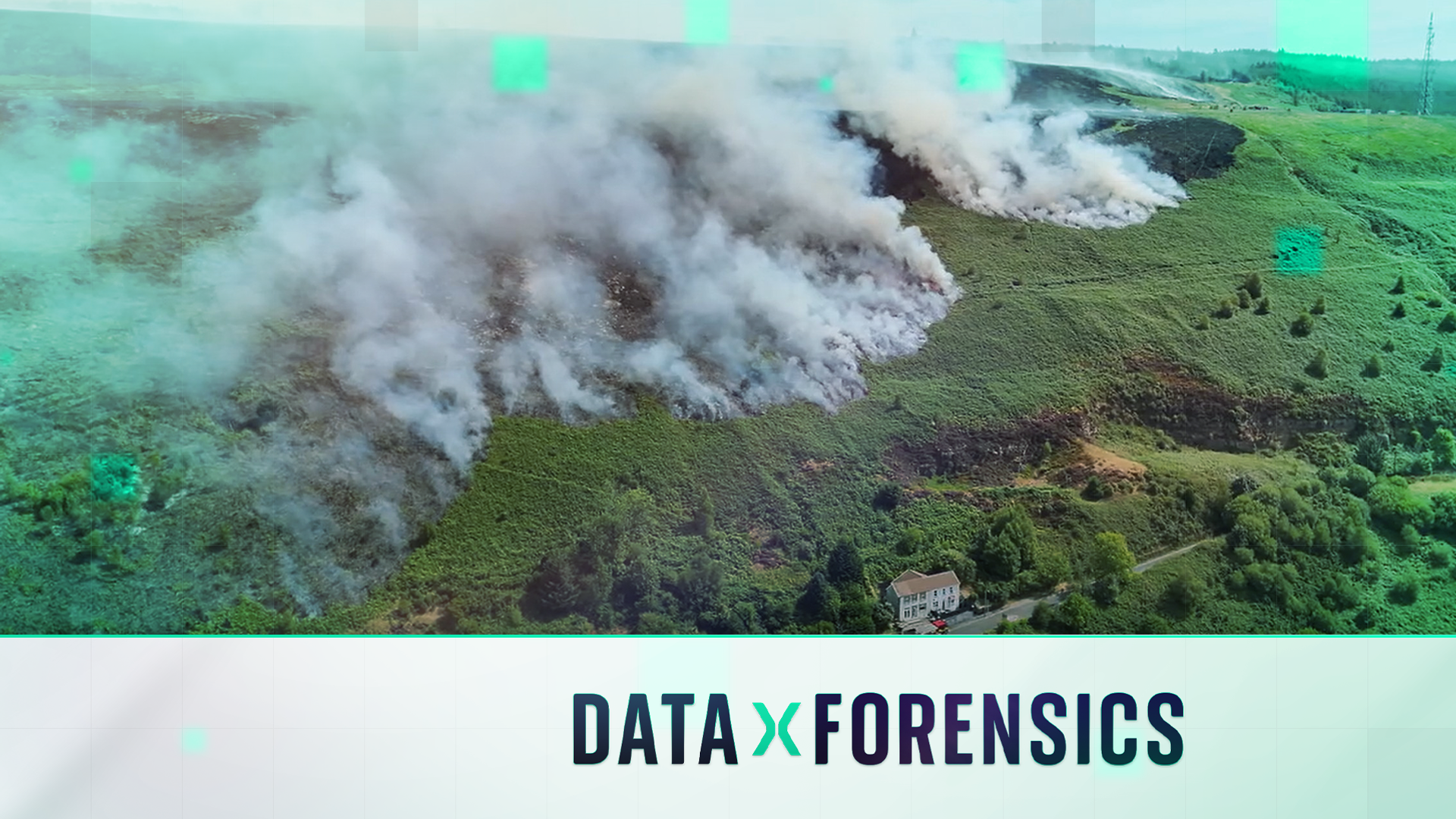
We’re watching the British countryside transform into a tinderbox. For years, the idea of a "wildfire" in the UK felt like something reserved for the Australian outback or California’s hills. That’s no longer the case. If you’ve spent any time outdoors this summer, you’ve likely felt the shift. The ground is harder, the grass is browner, and the air feels heavy with a new, dangerous kind of tension.
The numbers are finally catching up to the reality we see on the ground. In 2025, fire and rescue services across England and Wales handled nearly 1,000 wildfire incidents. That isn't a fluke. It’s a trend. We are witnessing the escalation of a crisis that many people are still fundamentally ignoring.
The Reality of the Modern UK Fire Season
The conversation around wildfires usually centres on "unprecedented" heatwaves. While true, that’s just one piece of a much larger puzzle. It’s not just about the thermometer hitting 38°C. It’s about how our landscape has changed. Decades of land-use decisions have left our soil and peatlands degraded. When we face consecutive weeks of dry weather, these landscapes lose moisture faster than they can recover.
Once that vegetation hits a certain level of dryness, it becomes fuel. It’s effectively waiting for a spark. And because most of these fires start with human activity—a stray cigarette, an unattended barbecue, or even a glass bottle left in the wrong spot—the risk isn't just "out there" in the middle of a moor. It’s in our parks, our farmland, and our residential boundaries.
Last year, the UK saw almost 48,000 hectares of land burn. The cost? Around £460 million. That figure covers more than just the emergency response; it accounts for the destruction of wildlife, the loss of agricultural yield, and the long-term impact on our water quality. When the peat burns, the carbon trapped for centuries is released, making the climate feedback loop even tighter.
Why Some Areas Are More Vulnerable Than Others
If you think your local patch is immune because it’s not a national park, you’re missing the point. The risk is spreading in ways that defy traditional logic. Modelling from groups like Climate X shows that the danger zone isn't just in the remote Highlands or the Peak District.
We’re seeing a corridor of risk intensifying from Manchester toward the Peak District. We’re seeing fresh, dangerous hotspots cropping up just south of London and near Northern Ireland. The "wildfire" tag is no longer just for wilderness. It’s becoming a suburban concern as housing continues to push into areas that were once purely rural or agricultural. If your garden backs onto open space, you’re on the front line.
What You Can Actually Do
Most people hear "wildfire" and think there’s nothing they can do but wait for the fire service. That’s wrong. You can significantly reduce the vulnerability of your own home and property. Start with the basics.
- Clear the clutter. If you have dead leaves, dry brush, or piles of wood stacked against your exterior walls, move them. Embers can travel long distances during a fire. A pile of dry wood next to a shed is essentially a fuse for your home.
- Mind your borders. If you have a property that meets wilder land, aim to keep the grass short—ideally under 7cm—for a few metres around your structures. This isn't just "gardening." It’s a fire break.
- Be ruthless with ignition sources. Stop using disposable barbecues in public spaces. It’s common sense, yet every year, we see the same avoidable mistakes. If you’re at home, keep your barbecue on a solid, non-flammable surface, well away from fences, sheds, and trees. Keep a hose or a bucket of water nearby. Always.
Stop Treating This Like an Anomaly
We have to stop looking at these summers as "one-offs." The Met Office and the UK Centre for Ecology and Hydrology have projected that wildfire risk could climb by 50% by 2100. This is the new baseline.
If you see smoke, don't assume someone else has called it in. Don't go closer to take a photo. Call 999 immediately. Give them the precise location. If you’re in a high-risk area, have a "go bag" ready with your essentials. It sounds dramatic until you’re the one standing at your front door watching a fire front move toward your fence line.
The landscape is changing. It’s time we changed how we live within it. Pay attention to the fire severity index in your local area during the summer months. Take responsibility for your own property. The fire service is stretched thin enough as it is—the best way to help is to make sure your patch doesn't become their next job.
Preparation isn't about fear. It’s about being smart in a world that’s getting significantly warmer, faster than most of us are prepared to admit. Stay vigilant, clear your property, and stop expecting the weather to "get back to normal." The normal you remember is gone.