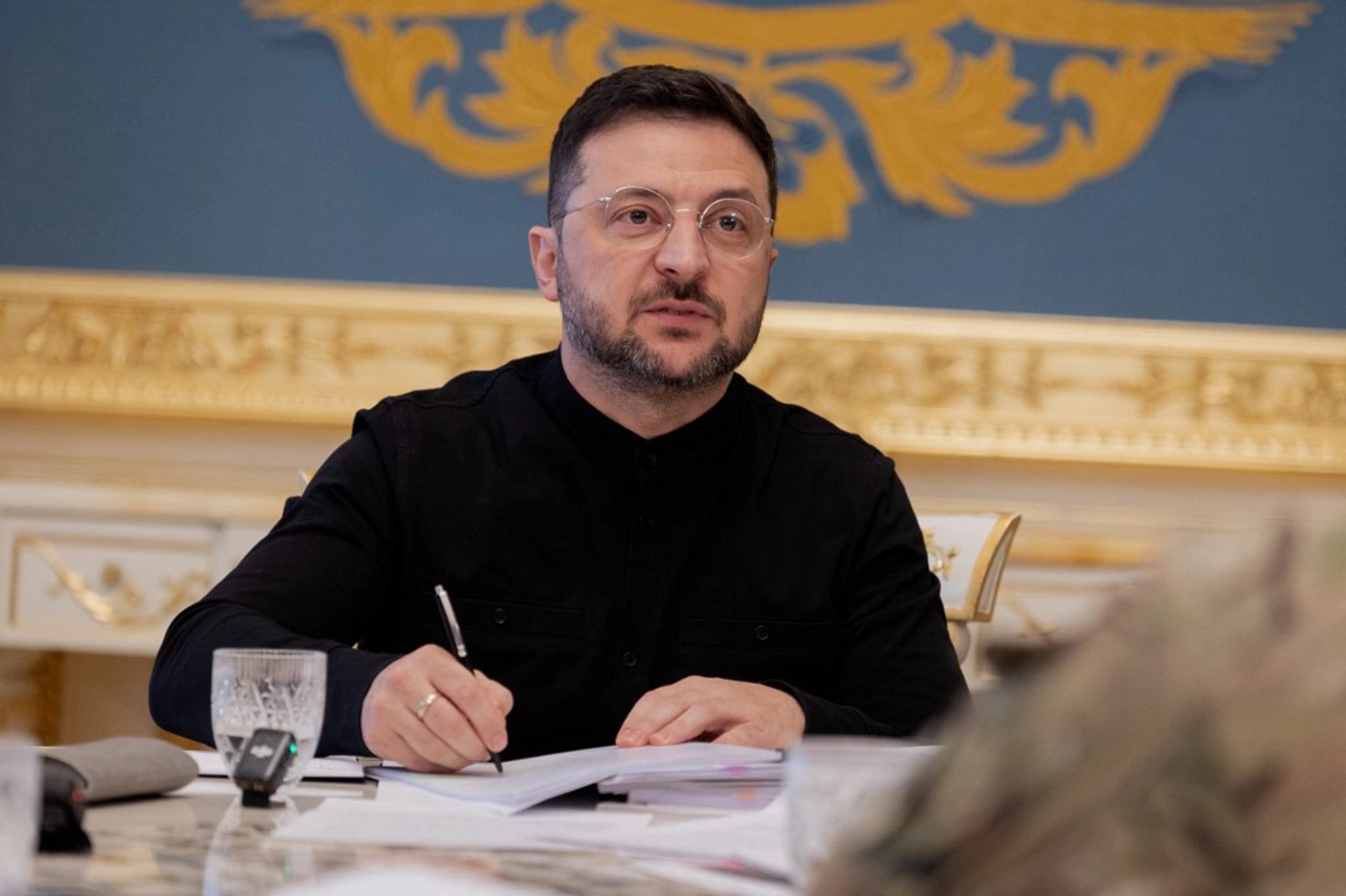
You’ve likely heard the noise from skeptics questioning the legitimacy of Ukraine’s leadership. They point to expired terms and missing ballots, asking why a democracy wouldn’t just hold a vote. It sounds simple on paper. In reality, holding national elections in Ukraine right now isn’t just a bad idea—it’s a physical and legal impossibility.
Basically, the country is locked in a fight for its survival. When you're dodging glide bombs and managing an active front line, the logistics of a democratic cycle become a secondary concern to basic human safety. If you’re looking for a clear answer on why the ballot boxes are staying closed, look at the legal framework and the brutal reality on the ground.
The Legal Wall
Ukraine’s constitution doesn't just suggest skipping elections during a crisis. It forbids them. Under the current legal regime of martial law, which has been in place since February 2022, presidential, parliamentary, and local elections are strictly prohibited.
This isn't a political choice made by an incumbent to stay in power; it’s the law. Article 10 of the law "On the Legal Regime of Martial Law" explicitly states that the powers of the president and the parliament cannot be terminated while martial law is in effect. President Zelenskyy’s mandate stays active until a successor is sworn in. If they tried to hold a vote, they’d be violating their own constitution, creating a constitutional crisis that would only serve to weaken the state during its most vulnerable moment.
The Logistics of a Battlefield
Even if you threw out the lawbooks, the mechanics of a nationwide vote are impossible. Consider the sheer geography of the conflict.
- Displaced voters: Nearly 14 million Ukrainians are displaced, either internally or living as refugees abroad. Trying to track these voters and set up functional polling stations in foreign countries, or in bombed-out residential zones, is a administrative nightmare.
- The military factor: Hundreds of thousands of active-duty soldiers are currently in areas of intense combat. How do you ensure their right to vote? Setting up polling stations near the front line is a massive target for Russian shelling.
- Infrastructure: The energy grid and digital infrastructure are constant targets. You can't run a secure, transparent election when the lights might go out or the servers get hit by a targeted cyberattack at any moment.
The Security Trap
Foreign interference is the biggest ghost in the room. Russia doesn't just want to win on the battlefield; they want to fracture the internal stability of the Ukrainian government. Holding an election would give the Kremlin a perfect vector to launch disinformation campaigns, cyberattacks, and kinetic strikes against infrastructure.
Think about it. An election creates mass gatherings. It creates visible, vulnerable focal points for civilian activity. Providing a target for Russian missiles is effectively asking for a bloodbath. Most Ukrainians realize this. Polls consistently show that the majority of citizens prefer waiting until the war ends rather than risking a destabilizing, potentially rigged, or dangerous electoral process.
Why Political Unity Matters
Some critics argue that elections provide the necessary "political renewal" that a country needs. But in Ukraine, that theory falls apart. The major parliamentary parties signed an agreement to wait until after the war for a reason. They understand that competing for votes right now would only divide the nation exactly when it needs to be the most united.
Internal fighting and political campaigning would distract from the singular objective: defense. The government isn’t avoiding elections to hoard power; they’re holding the state together while under total assault.
Next Steps For Future Democratic Renewal
If you’re wondering when this changes, watch the status of martial law. The parliament regularly reviews it in 90-day intervals. Any conversation about election dates is entirely contingent on a stable ceasefire or the conclusion of active hostilities.
Don't expect a quick fix. Experts and legislators are already working on a framework for the first post-war election. This will likely involve:
- A waiting period of six months after the lifting of martial law to ensure electoral registers are updated.
- A specialized law to handle the voting rights of millions of displaced citizens.
- Massive international monitoring to verify results in a country with damaged infrastructure.
For now, the focus remains on the survival of the state. Democracy isn't dead in Ukraine; it’s just currently on pause while the country defends its right to exist. Until the shelling stops and the borders stabilize, the ballot boxes stay closed.