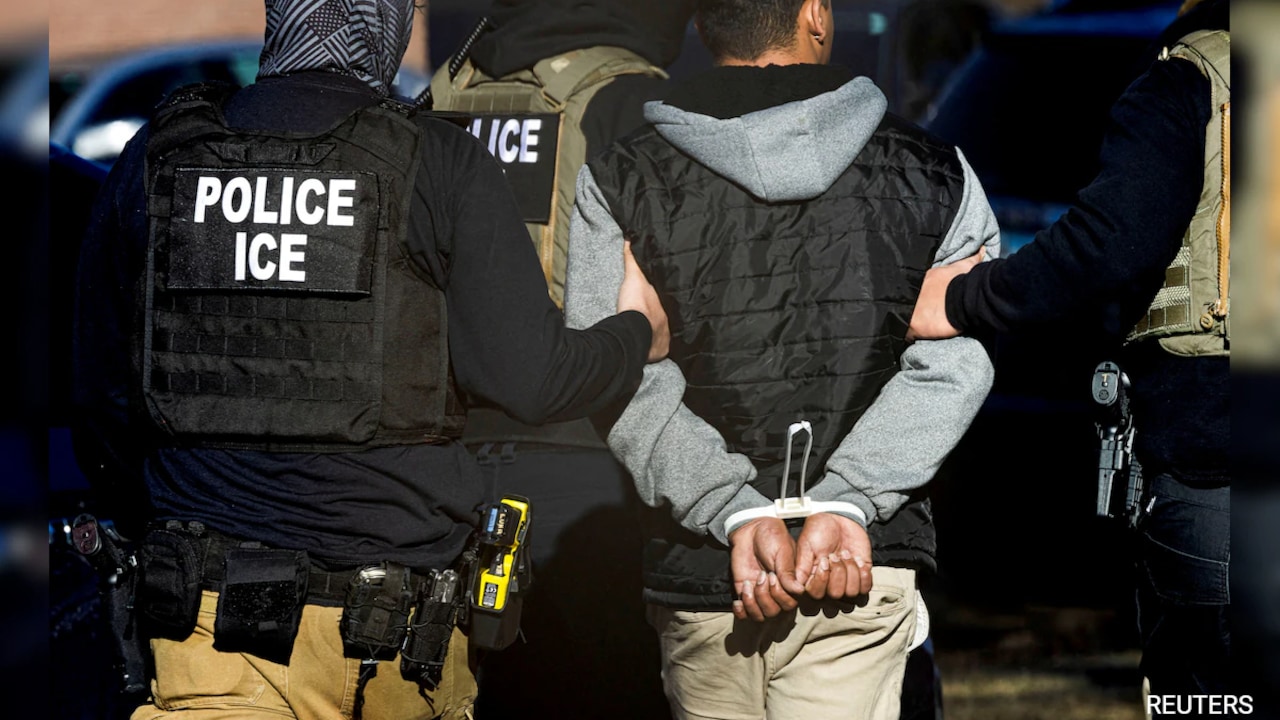
Blerim Skoro spent the better part of a decade operating in the shadows for the United States. He risked his life infiltrating terror networks, provided actionable intelligence on high-value targets, and claims to have served as an asset for the CIA, the FBI, and the DEA. Now, he sits in an immigration detention center in New Jersey, staring down the barrel of deportation to a country where he says his life is effectively forfeit.
This isn’t just another bureaucratic immigration mishap. It’s a glaring look at how the government treats its own clandestine assets when the utility of their service wears off.
The Reality of Working for the Agency
Most people think being an informant for an agency like the CIA ends with a handshake and a secure retirement. That is pure fiction. Reality is much messier. Skoro’s story serves as a harsh reminder that once you are used, you become expendable.
Skoro, a Kosovo-born man, didn’t start his journey as a patriot; he started it as a convict. Arrested for heroin trafficking in 2000, he found himself in the federal prison system. That’s where the agencies took notice. Incarcerated individuals are often viewed as low-hanging fruit for recruitment. They have proximity to dangerous networks and little leverage to say no.
He didn’t just provide tip-offs. According to records, he gave intelligence on the Lackawanna Six and other jihadist networks. He even provided details on Syrian training camps tied to Osama bin Laden. By 2007, he was deported to Kosovo, where he claims the agency wasn't done with him. He alleges they tasked him with infiltrating Al Qaeda across the Balkans and the Middle East. He says he spent years traveling through high-risk zones, including Pakistan and Egypt, effectively acting as an arm of American intelligence.
The High Cost of Betrayal
The legal system has already acknowledged the danger Skoro faces. In 2022, a federal judge ruled he couldn't be sent back to Kosovo under the Convention Against Torture. The court recognized that returning him would likely mean his death. Yet, the government is currently trying to bypass that protection, pulling him in for arrest while he was simply trying to maintain his legal presence in the country.
His wife, Susan, said it best: "They betrayed him."
When you work deep under the radar, your "paperwork" rarely keeps pace with your operational duties. Skoro’s life shifted from a dangerous, covert reality to a mundane existence as a cab driver in Staten Island. He became a father. He built a family. He stopped being a "useful asset" and became a human being. The agency seems to have forgotten the former while actively seeking to discard the latter.
Why This Case Matters Now
We are seeing a trend where immigration enforcement is moving toward a "no exceptions" stance. It doesn't matter if you helped the CIA infiltrate the most dangerous terror group in the world. If your visa status hits a snag or your paperwork is deemed out of line, the machine starts turning.
The government’s position—or at least its current behavior—is dangerously short-sighted. If federal agencies want to continue recruiting informants from within criminal circles or high-risk populations, they need a track record of protecting those people. If you throw your assets under the bus the second they become a nuisance, you lose your credibility. Why would anyone risk their life for US intelligence in the future if they know they’ll be left to rot the moment their usefulness expires?
Moving Forward
If you're following this, don't expect a quick resolution. Skoro’s legal team is currently fighting a habeas corpus petition. They are arguing that the previous court rulings provide a shield against his sudden removal.
For the average citizen, the takeaway is simple: never trust that the government is looking out for your interests, even if you’ve risked everything for theirs. Keep your legal status airtight, keep your records immaculate, and understand that you are ultimately responsible for your own safety. The state is not your partner; it is an institution that operates on utility.
Skoro is currently waiting in the Elizabeth Detention Center. His case is a public test of whether the United States will honor its unspoken obligations to those who did its dirtiest work. If he gets on that plane to Kosovo, it’s a death sentence issued by the same people he spent years helping.