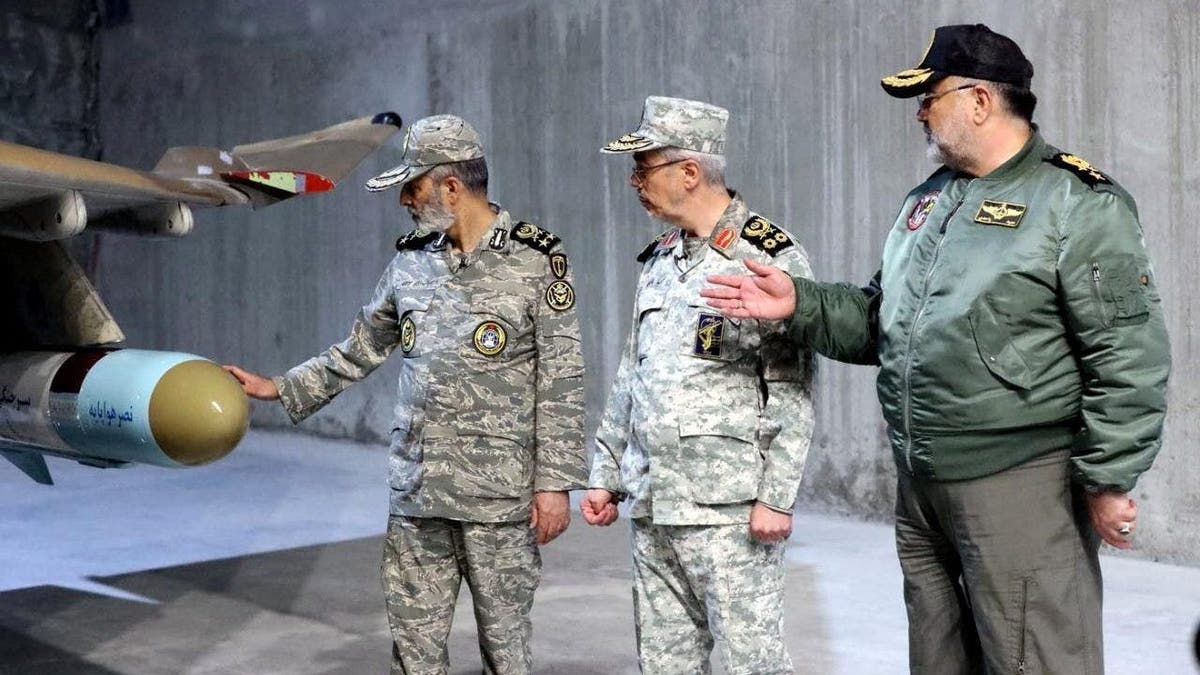
Ceasefires are fragile things. When you mix high-stakes diplomacy with regional military posturing, the margin for error shrinks to practically zero. Right now, the sixty-day ceasefire framework between Washington and Tehran is wobbling on a tightrope, and recent warnings from high-ranking Iranian military officials prove just how close the whole arrangement is to snapping.
If you have been watching the Middle East lately, you know that quiet spells rarely mean actual peace. They usually mean both sides are reloading, repositioning, and preparing for the next round. Senior Iranian military commanders have recently signaled a sharp shift toward an offensive posture, openly threatening strategic surprises if diplomatic talks collapse entirely.
Let's break down what is actually happening beneath the diplomatic rhetoric, why this sixty-day framework is struggling to hold, and what it means for global security.
The Reality Behind The Sixty-Day Ceasefire Framework
Diplomats love temporary pauses. They buy time, lower the temperature in global markets, and give politicians a temporary win to talk about on cable news. But sixty days is barely enough time to iron out procedural rules, let alone solve decades of deep-seated geopolitical hostility.
The framework designed to stabilize tensions has run straight into a wall of mutual distrust. Washington wants verifiable restrictions and a permanent halt to regional proxy activities. Tehran wants immediate sanctions relief and absolute sovereignty over its military doctrine. When neither side is willing to blink first, a ticking clock only adds pressure.
Military leaders do not think in terms of diplomatic timelines. While negotiators in neutral capitals talk about extensions and confidence-building measures, commanders on the ground look at troop movements, naval deployments, and supply lines. That disconnect is precisely why the ceasefire feels less like a bridge to peace and more like a countdown timer.
Why Iran Shifted Toward An Offensive Posture
Military posturing is rarely accidental. When an Iranian general publicly warns about an offensive military posture and hints at strategic surprises, they are sending a message to multiple audiences at once.
First, they are talking to domestic constituents. Hardline factions within Iran have always viewed temporary truces with deep suspicion, often characterizing diplomatic engagement with Western powers as a sign of weakness. By adopting tough language and brandishing readiness for sudden escalation, military brass reassures internal hardliners that national defense remains uncompromising.
Second, they are signaling deterrence to the United States and its regional allies. Tehran wants Washington to understand that economic pressure and military deterrence work both ways. If the United States or its partners miscalculate and assume that sanctions have crippled Iran's strategic response capabilities, they are in for a rude awakening.
Third, asymmetric warfare and regional alliances remain core pillars of Iranian military doctrine. Strategic surprises rarely mean a massive conventional invasion; instead, they point toward cyber operations, accelerated drone technology deployment, or coordinated actions by aligned regional militias across the Gulf, Iraq, Yemen, and Syria.
The Cost Of Miscalculation In The Persian Gulf
The waters of the Persian Gulf are cramped, crowded, and heavily militarized. Merchant vessels, oil tankers, aircraft carriers, and fast-attack craft operate in tight corridors where a single misunderstood radio transmission can trigger a firefight.
When military rhetoric heats up, the margin for human error disappears. A nervous commander or an overly aggressive patrol boat captain can turn a minor navigational dispute into an international crisis within minutes. We have seen this movie before, and the script rarely changes for the better when both sides keep their fingers hovering near the trigger.
Markets hate uncertainty, but energy markets despise military tension in the Gulf. Even a hint that the ceasefire framework is collapsing sends ripples through global oil prices, proving that economic stability remains chained to geopolitical stability whether policymakers like it or not.
What Happens When The Clock Runs Out
Time is running low on the current diplomatic arrangement. As the sixty-day window closes, both Washington and Tehran face a stark choice. They can either find a way to extend the framework and turn temporary quiet into durable talks, or they can watch the situation spiral back into open confrontation.
History shows that temporary frameworks rarely hold indefinitely without a breakthrough on core grievances. Sanctions relief is difficult to negotiate while missiles are being test-fired, and military restraint is hard to maintain when political leaders have no faith in each other's long-term intentions.
Keep a close eye on naval movements in the Gulf and official statements from defense ministries rather than just the diplomatic readouts. The diplomats will tell you everything is under control right up until the moment it isn't. The generals are already telling you the truth.