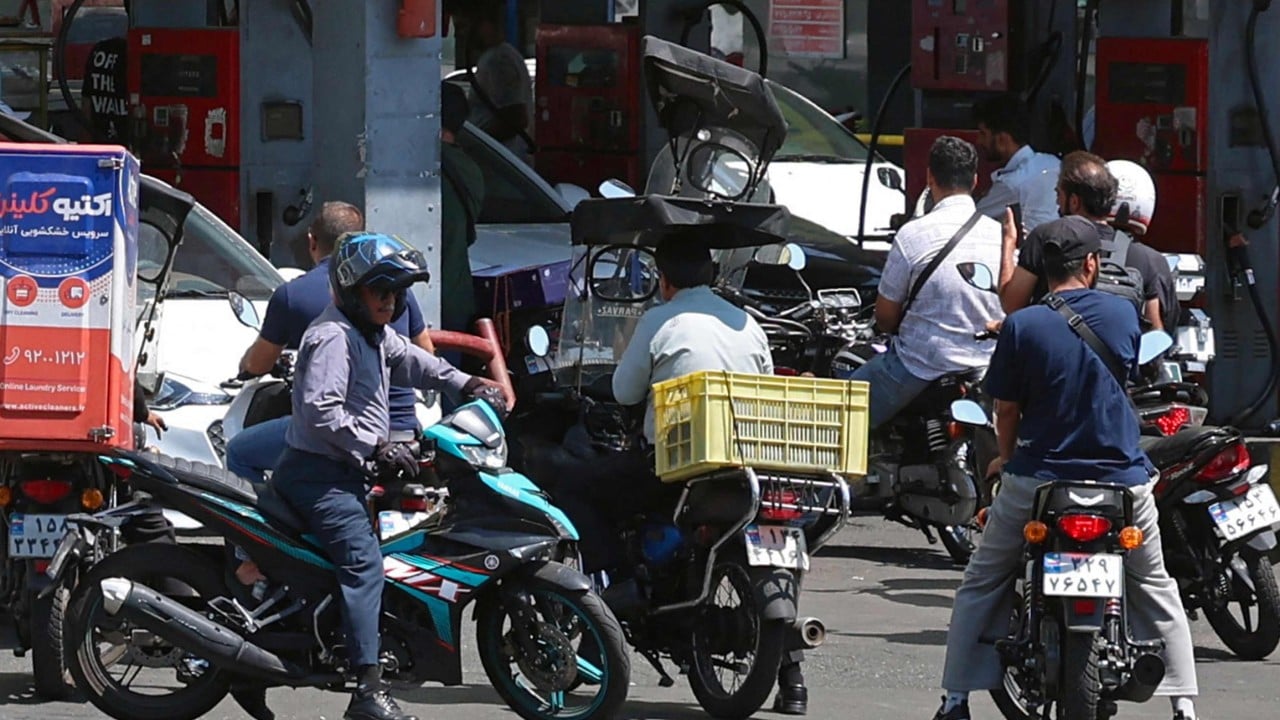
Long lines of cars stretching for blocks around Tehran filling stations tell a stark story. Washington has shifted its playbook. Six months into a grinding military stalemate with Iran, the White House is betting that financial warfare will finish what kinetic strikes could not. US Treasury Secretary Scott Bessent announced a sweeping suite of secondary sanctions aimed at total economic isolation. He called it economic asphyxiation. Ordinary citizens standing in petrol queues are the ones paying the immediate price.
Panic buying erupted across the Iranian capital almost immediately after the announcement. Distribution spikes run roughly thirty percent higher than normal days as motorists race to fill tanks. People are terrified. They remember the crippling inflation, the currency crashes, and the violent anti-regime revolts sparked by economic desperation earlier in the year. When a state is cut off from global digital assets, shipping networks, and technology, basic commodities like gasoline stop moving smoothly.
The Reality Behind the New US Sanctions
The Treasury Department didn't hold back. They targeted roughly sixty individuals, entities, and vessels spanning international hubs from Hong Kong to the UAE. The target list goes straight for Iran’s remaining financial lifelines: gold, technology, shipping, and digital assets. Washington also warned global trading partners that anyone maintaining economic ties with Tehran will share in its isolation.
China immediately pushed back, vowing to protect its commercial interests as a primary buyer of Iranian oil. But international defiance from foreign capitals does little to comfort a realtor idling in a two-hour petrol queue in eastern Tehran.
Local experts point out that Iran has spent decades learning how to survive under sanctions. The infrastructure is hardened against external pressure. However, internal vulnerabilities remain the real threat. Years of severe inflation, structural bank imbalances, and chronic domestic corruption have left the economy hollowed out. When external shocks hit a fragile system, distribution networks snap.
Inside Tehran Filling Stations
Fuel quotas are tightening. Iranian officials have signaled that subsidized fuel allocations face reductions, while non-subsidized pricing climbs under government review. Stations in southern and eastern districts have reported intermittent dry spells as tankers struggle to keep pace with the surge in demand.
Motorists are anxious. Conversations at the pump aren't about grand geopolitical strategies or military stalemates in the Strait of Hormuz. They are about survival. People worry that fuel limits will paralyze public transport, hike food delivery costs, and trigger another round of social unrest.
The government in Tehran continues to project defiance, dismissing Washington’s announcements as tired political theater. Yet the physical reality on the ground contradicts the tough rhetoric. Tanks are running low. Queues are growing longer.
What Happens Next for the Region
Global energy markets reacted swiftly to the economic pressure campaign. Brent crude slipped below ninety dollars a barrel as traders priced in a shift from military escalation to financial strangulation. Yet a lower global oil price offers zero relief to an Iranian middle class watching their purchasing power evaporate daily.
Diplomatic channels haven't completely shut down. Regional mediators from Oman and Pakistan continue pushing back-channel talks in Tehran to find a way out of the current impasse. Qatar has openly criticized the unilateral nature of the US measures, calling instead for a restoration of normal maritime traffic through the vital gulf corridors.
Until diplomacy yields a breakthrough, the pressure cooker in Tehran will keep building. Washington wants compliance through starvation of funds. Tehran refuses to bend. The cost of that stubborn standoff is paid one tank of petrol at a time by citizens stuck waiting in line.