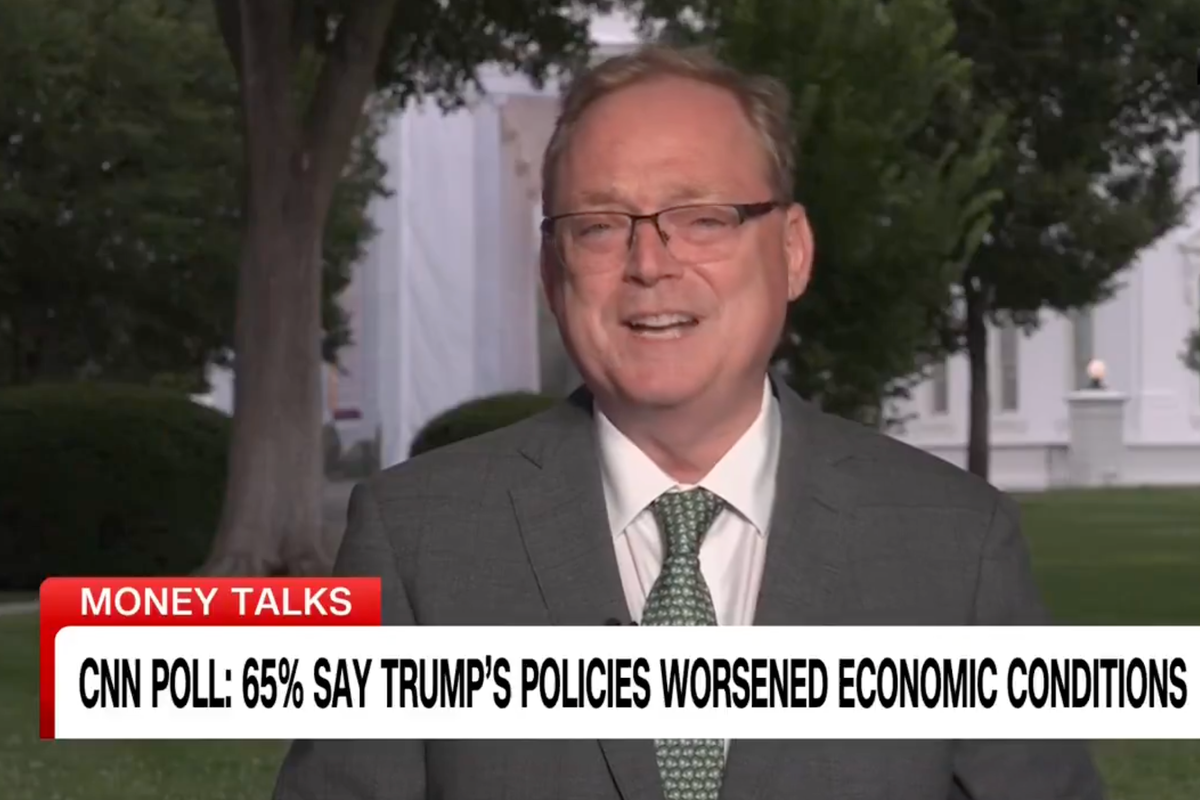
When White House economic officials look out at the country, they see an economic boom. When you check your bank account after buying basic household essentials, you probably see something entirely different. That glaring disconnect defines the current national debate over the U.S. economy, fueled most recently by National Economic Council Director Kevin Hassett insisting that things look amazing.
If you've been wondering how top administration officials can square high inflation and soaring gas prices with claims of widespread optimism, you aren't alone. The reality on Main Street looks bleak, while the data coming out of Washington relies on a fundamentally different interpretation of consumer behavior. Let's break down why top officials are pushing this narrative and why everyday citizens aren't buying it.
The Spending Paradox Explained
Hassett’s primary argument for a thriving economy comes down to a simple observation: Americans are spending more money. During recent television appearances, he pointed out that higher outlays at the gas pump and increased spending at restaurants and retail stores prove consumers feel confident about the future.
To an economist sitting in Washington, higher dollar volume equals economic momentum. To anyone paying for groceries or filling a tank, higher spending doesn't mean people feel rich. It means things simply cost more.
When a gallon of regular gasoline hovers above $4.50 and food inflation continues to outpace modest wage gains, total spending naturally ticks upward. You aren't necessarily buying more goods or luxury items. You are just absorbing the higher price tags slapped onto necessities. Treating that forced expenditure as a vote of confidence misses the mark entirely.
Polling Reality Versus White House Spin
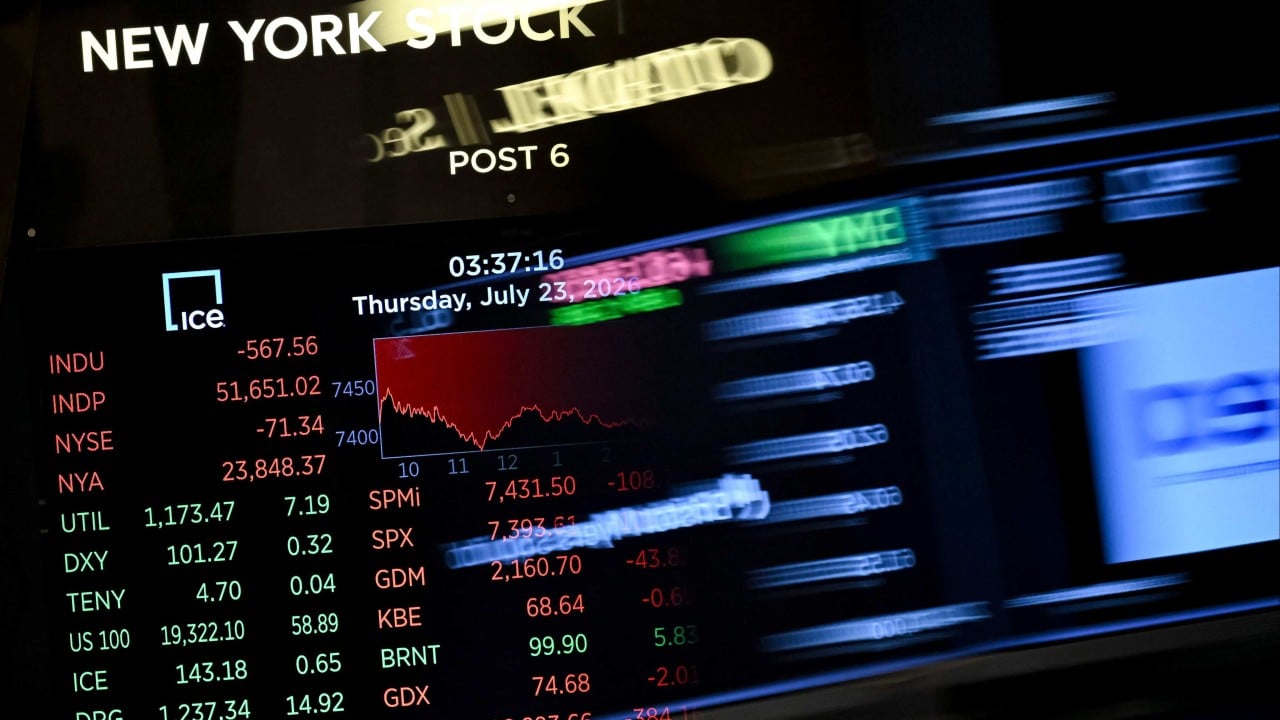
Public sentiment tells a starkly different story than the one coming from the West Wing. Recent surveys from Gallup paint a grim picture, showing that only a small fraction of Americans rate current economic conditions as good or excellent. Meanwhile, consumer sentiment indices tracked by institutions like the University of Michigan have plummeted to historic lows.
Administration defenders have a ready dismissal for these numbers. They argue that consumer sentiment polls have turned into partisan tools reflecting how political opponents feel rather than hard economic facts.
Yet dismissing sliding approval ratings and widespread anxiety doesn't make the underlying stress disappear. Credit card delinquency rates have climbed, and middle-class households are burning through savings just to keep up with insurance, housing, and utility bills. When nearly six in ten citizens report that things are heading in the wrong direction, chalking it up to bad vibes ignores genuine financial distress.
The K-Shaped Reality
Why is there such a massive gap between the white-collar economic view and blue-collar reality? We are living through a K-shaped financial environment.
If you own a robust investment portfolio or corporate stock, the market trends and capital spending booms championed by Washington look fantastic. Asset holders benefit directly from high-level corporate growth.
If you rely strictly on a weekly paycheck to cover variable expenses, the story flips. Wage growth hovering around 3.6 percent gets swallowed whole by broader inflation spikes. High-income earners keep spending without altering their lifestyles, driving aggregate retail data upward. Lower- and middle-income families cut back quietly behind closed doors. Washington looks at the aggregate numbers, sees the wealthy spending, and assumes everyone is thriving.
What This Means for Your Personal Finances
Waiting around for government officials to acknowledge your daily budget constraints won't help you pay your bills. Navigating this climate requires a defensive financial posture.
- Audit your recurring subscription costs and discretionary spending to identify hidden budget leaks.
- Prioritize paying down high-interest revolving debt before variable interest rates cause balances to balloon further.
- Build a cash buffer if possible, keeping emergency funds separate from everyday checking accounts to withstand unexpected price shocks.
The disconnect at the top isn't going away anytime soon. Protect your own bottom line and ignore the official spin.