The goal of American sanctions on Iran is simple on paper: squeeze the regime’s revenue, force a change in behavior, and contain its regional influence. In practice, however, these measures often ripple outward, catching neutral parties in the crossfire. For India, this isn't just about geopolitics—it’s about a direct, painful hit to its long-term strategic connectivity.
If you look at the current situation in 2026, the stakes for New Delhi have never been higher. India isn't just watching from the sidelines. It is being forced to navigate a minefield where Washington’s "maximum pressure" campaign directly contradicts India’s need to bypass Pakistan and open trade routes into Central Asia and Russia.
The Chabahar Conundrum
For years, the Chabahar Port in Iran was India’s crown jewel in its regional strategy. The port provided a direct maritime gateway to Afghanistan and the resource-rich markets of Central Asia. By bypassing Pakistani territory, India could finally compete with China’s influence in the region.
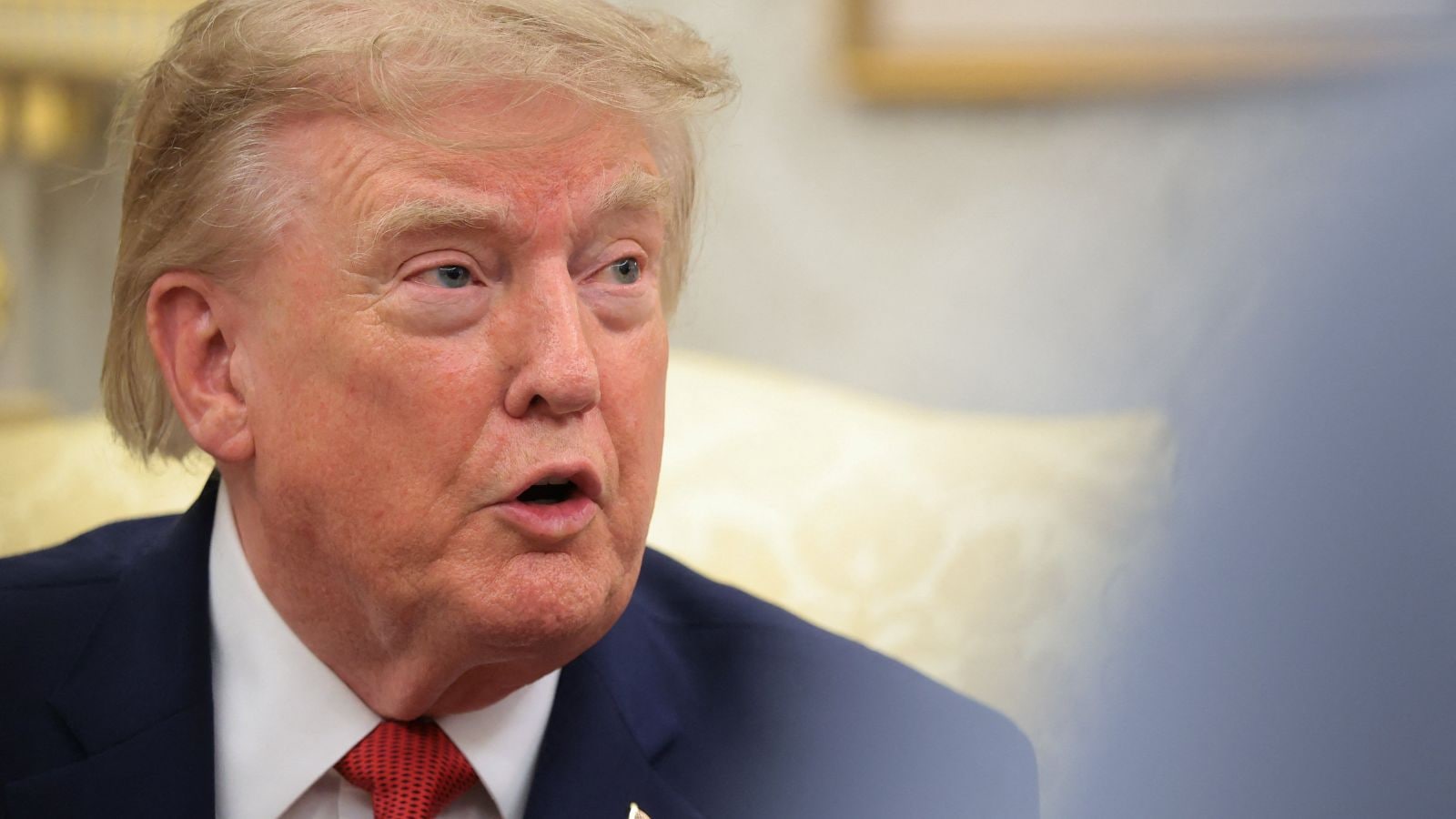
Then came the second Trump administration and the subsequent revocation of sanctions waivers. Suddenly, the port—a project India poured over $120 million into—became a toxic asset.
When the U.S. revoked the sanctions exemption for Chabahar in September 2025, it didn't just hurt Iranian commerce. It effectively throttled India’s primary land-sea bridge to Eurasia. The uncertainty has forced Indian operators to scale back, essentially turning a strategic gateway into a "damaged asset."
Why The Sanctions Often Miss The Mark
We’ve seen this playbook before. The theory is that if you cut off enough hard currency—oil revenues, financial transfers, and bank access—the Iranian regime will eventually buckle under the weight of internal inflation and social unrest.
History tells a different story. The regime in Tehran has survived years of intense isolation. It has built a resilient, if battered, shadow economy that survives on black-market oil sales and trade networks that operate far outside the reach of the U.S. Treasury.
These sanctions don't necessarily trigger regime collapse. Instead, they force the regime to double down on its ideological core. They also drive Iran further into the arms of other sanctioned actors, like Russia and China, which creates an "anti-Western" economic bloc that only makes future diplomacy harder.
India Is Caught In A High-Stakes Dilemma
India’s problem is that it is trying to maintain "strategic autonomy" in a world where that concept is disappearing. You have the U.S. threatening secondary sanctions—including potential 100% tariffs on countries that ignore the Iran/Russia oil bans—while India’s energy needs still require affordable crude.
It’s an impossible balancing act. If India caves to U.S. pressure, it loses its foothold in the Middle East and Central Asia. If it stays the course with Iran, it risks being slammed by Washington’s tariff hammer, which would devastate Indian exports in sectors like pharma, textiles, and gems.
What Real Risk Looks Like
The risk isn't just limited to the port. Think about these three distinct areas where the pressure is felt:
- Connectivity Stalls: The International North-South Transport Corridor (INSTC), intended to cut shipping times from India to Russia significantly, is effectively dormant. India has the technical capability to build it, but no company wants to face the threat of U.S. secondary sanctions.
- Investment Volatility: Indian firms that have invested in regional infrastructure are now essentially playing a game of chicken with the U.S. Treasury. Many have already moved to wind down their presence, potentially handing a vacuum of influence directly to Beijing.
- Trade Compromises: To buy relief from Washington, India is being pushed toward "asymmetric trade deals." This means opening up domestic agriculture and dairy markets or meeting mandatory U.S. energy purchase quotas—concessions that hurt the Indian economy internally.
Moving Forward
If you’re watching this as an investor or a policy observer, don't look for a sudden "fix." There isn't one coming. The U.S. stance on Iran is currently driven by a domestic political imperative to show strength, and that isn't changing based on the economic fallout in South Asia.
For India, the practical next steps involve intense risk-mitigation. This means shifting focus toward air cargo corridors to Afghanistan to maintain market access, even if they are more expensive than the sea-route. It also means pushing for clear, legally binding carve-outs for humanitarian and connectivity projects if and when new negotiations begin.
Strategic patience is a fine virtue, but right now, it’s being tested by the sheer force of American economic policy. New Delhi has to decide if the cost of staying in Iran is still worth the potential to open the back door to Central Asia. Currently, the price of entry is rising every single day.
India's 100% Tariff Threat Explained
This video provides critical context on the 2026 legislation that threatens massive tariffs on nations continuing to trade with sanctioned powers like Russia and Iran, directly affecting India's trade policy.
http://googleusercontent.com/youtube_content/1