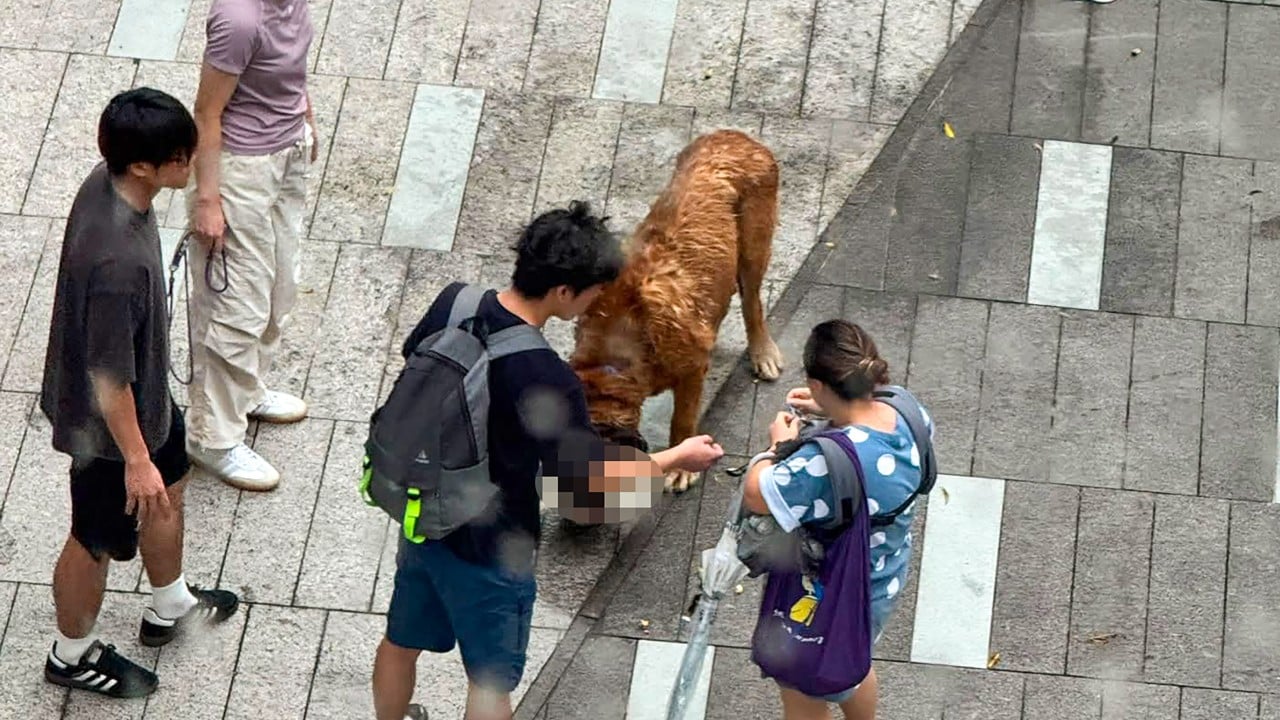
The recent news of a 60kg dog fatally mauling two smaller pets in Yuen Long has ignited a firestorm across Hong Kong. It’s a tragic scene. A small, defenseless Bichon Frise didn’t stand a chance. Now, the government is weighing its options, and euthanasia is on the table.
Many residents are reacting with pure emotion. They’re angry, they’re scared, and they want the dog gone. But let’s look at the reality of the situation instead of just the outrage. What happens when a "large dog" suddenly turns dangerous in a city as crowded as ours?
Understanding the Legal Threshold
Under Hong Kong’s Dangerous Dogs Regulation, the law is actually quite clear about what a "large dog" is. If your dog weighs 20kg or more, it must be leashed in public. Period. When a dog breaks these rules and causes a fatality, the Agriculture, Fisheries and Conservation Department (AFCD) doesn’t just snap its fingers and put the animal down.
The process is long and bureaucratic. Authorities can move to have the dog declared a "known dangerous dog" through the court system, or the owner can surrender the animal. If the owner surrenders the dog, their path to euthanasia is much shorter. If they fight it, a magistrate gets involved to decide if the dog remains a threat to public safety.
The Problem with Pet Ownership
The real issue isn't just one aggressive dog. It’s the sheer lack of accountability among some pet owners. I’ve seen it myself—owners who treat a 60kg animal like a stuffed toy, ignoring leash laws because they think their pet is "well-trained."
Training is not a suggestion. It’s a requirement. If you can’t control your dog, you shouldn't be in a public space with it. Period. The incident in Yuen Long is a stark reminder that even the "nicest" dog has prey instincts. When that instinct hits, the size of your dog becomes a lethal factor.
What Happens Now
If you’re wondering why the government is "considering" euthanasia, it’s because the law requires a balance. They have to assess:
- Is the dog inherently aggressive?
- Was it provoked?
- Can it be rehabilitated and safely rehomed?
Many people argue that a dog that has tasted blood can never be trusted again. They’re not entirely wrong. Behavioral modification for a large, aggressive animal is expensive, risky, and rarely 100% effective. For a busy, high-density city like Hong Kong, the margin for error is razor-thin. One mistake can be fatal.
How to Protect Your Own Pets
If you’re a pet owner in Hong Kong, you need to be proactive. Relying on other owners to follow the law is a losing game.
- Stay alert. If you see a large, unleashed dog, move away immediately. Don’t wait to see if it’s "friendly."
- Control your environment. Keep your small pets close. Use a secure harness, not just a collar, so they can’t break away.
- Report violations. If you see someone consistently failing to leash their large dog, report it to the AFCD. It’s not about being a snitch; it’s about preventing the next tragedy.
We need to stop waiting for disasters to happen before we talk about responsible ownership. If you own a large dog, start training today. If you’re a bystander, stop assuming every dog is a pet. Sometimes, a dog is a high-risk animal in a public space.
This won't be the last time a pet is killed by an uncontrolled animal. Until owners start treating their legal responsibilities with the seriousness they deserve, the state will keep having to make these difficult, permanent decisions.
Unleashed 60kg dog fatally mauls 2 smaller dogs
This video provides context regarding the specific incident in Yuen Long where an unleashed dog caused fatal harm, highlighting the immediate dangers of ignoring leash regulations in a densely populated urban area.