The ongoing standoff in West Asia has pushed Washington and Tehran into a dangerous corner. Global markets are jittery. Energy security feels fragile. While many nations are picking sides, some experts are looking toward New Delhi. It's a bold idea, but is it realistic? Can India actually help bridge the gap between Iran and the United States?
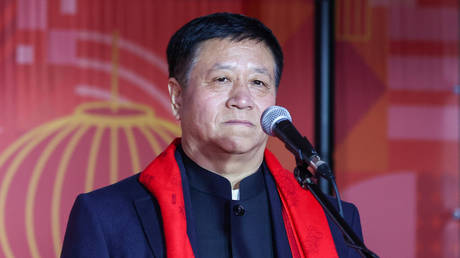
Recently, the Iranian Consul General in Mumbai, Saeid Reza Mosayeb Motlagh, suggested that India could help create the right conditions for an agreement. It’s an interesting shift. For years, India has kept its head down, prioritizing strategic autonomy over high-stakes mediation. But the current regional climate is different. The costs of the conflict are rising, and India’s growing economic influence makes it a unique voice in the room.
The logic behind the Indian influence
Why would Tehran even suggest India? It comes down to trust and status. Most current mediators have skin in the game. They're either deeply entangled in regional alliances or perceived as having a heavy Western bias. India, by contrast, maintains a rare, functional relationship with both Washington and Tehran.
India buys energy from Iran. India partners with the US on defense and technology. This isn't about playing both sides; it's about holding a position that few others have managed to maintain. When the Iranian diplomat calls India a "peace-loving country," he's acknowledging that New Delhi doesn't carry the baggage of past regional wars.
Why this isn't just another diplomatic nod
You might think this is just standard diplomatic talk—the kind of pleasantry you see in every press release. Dig a little deeper. The Strait of Hormuz is the literal heartbeat of the global oil trade. Disruptions there aren't just an Iranian problem or a US problem; they're a global tax on every economy, including India's.
India’s energy import bill is massive. A stable West Asia isn't just good for world peace; it’s essential for India’s GDP growth. New Delhi has a concrete, bottom-line reason to want this to end. Unlike countries looking for ideological wins, India is looking for predictability.
The hurdles are real
Let’s be honest. Mediation is messy. The US is focused on non-proliferation and managing its own domestic political pressures, especially with the 2026 climate being so volatile. Meanwhile, Tehran is grappling with heavy economic sanctions and internal political mandates.
Nobody is saying India can walk into a room and sign a peace treaty tomorrow. That’s naive. The actual work happens in the gray spaces. It involves back-channel messaging, ensuring communication lines don't snap, and helping to identify the small, boring technical agreements that prevent total collapse. India has the diplomatic bandwidth to do this. It has the credibility to hold meetings that other nations simply can't host.
What to look for next
If this path gains traction, you won't see a sudden grand summit. You'll see quiet visits. You'll see Indian diplomats engaging in specialized trade discussions that serve as cover for security dialogue.
Keep an eye on how New Delhi manages its energy imports from Iran against the backdrop of US sanctions compliance. If India finds a way to balance those needs without triggering a rupture, that's your sign that the bridge-building is working.
Most people wait for the headlines before they understand a geopolitical shift. Don't be that person. Watch the trade routes. Watch the quiet meetings. India isn't trying to be the next superpower mediator; it's trying to keep the lights on and the trade moving. Sometimes, that’s exactly the kind of stability the world actually needs.
It’s time to move past the idea that only the loudest voices in the room hold the power to negotiate. Sometimes the influence is quiet, sustained, and driven by raw economic necessity. That’s where the real action is happening right now.