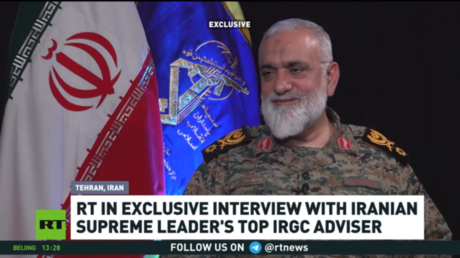
The maritime industry has always been about moving goods from A to B. It’s a game of efficiency, tight margins, and complex global logistics. But as of mid-August 2026, the rules of the game have shifted dramatically. A high-ranking Iranian military official just issued a blunt warning to shipping companies: if you’re moving fuel, ammo, or equipment for U.S. military operations against Iran, you aren’t just a merchant anymore. You’re a target.
This isn’t just bluster. It’s a direct challenge to the commercial logistics chain that powers global naval operations. If you’re a maritime operator, you can’t pretend to be neutral while facilitating a military supply chain. Tehran is making that position crystal clear.
The End of Neutrality for Commercial Fleets
For years, the U.S. military has relied on private commercial vessels to maintain its operational tempo. When you need to move thousands of tons of supplies across the world, you don’t just use navy ships. You lease commercial tankers and cargo vessels. It’s standard practice. It’s cost-effective. But now, it’s becoming incredibly risky.
The Iranian warning specifically targets those who "knowingly" participate in this logistical dance. They’ve gone so far as to name names, pointing to companies like Maersk, Schuyler Line Navigation, Crowley Government Services, and others as being under their surveillance. They aren't just looking at the big names; they’re tracking the supply chain down to the sub-contractors.
Why This Matters for Maritime Logistics
If you’re working in shipping, this changes everything. You can no longer hide behind "commercial status" or a foreign flag registration to shield your operations from regional fallout. The message from Tehran is simple: if your ship is carrying the cargo that enables a military operation against them, you are involved.
Think about the insurance implications alone. How do you price risk when your vessel might be blacklisted or face "punitive measures" in a major maritime bottleneck like the Persian Gulf? You don’t. You either stop taking the contracts, or you pass the astronomical risk premiums onto the military—if they’re even willing to pay them.
Beyond the Battlefield
We often think of wars as happening on land or in the skies. But the real friction is happening in the logistics hubs. By focusing on the supply chain, Iran is trying to disrupt the U.S. ability to sustain its regional presence without needing a direct military clash.
They are monitoring routes, cargo types, and even management structures. They’ve explicitly stated that registering a ship in a third country won’t keep your operation invisible. They are playing a long game of economic pressure. They want to make the cost of supporting U.S. military operations in the region prohibitively high for private companies.
What This Means for Global Shipping
If you’re a stakeholder in maritime services, here’s the reality:
- Increased Vetting: Your clients will likely be under higher scrutiny. If you're a port operator or a fuel provider, you’re now part of the potential collateral.
- Contractual Headaches: Expect "force majeure" clauses to be tested. When a region becomes a hot zone for your specific fleet, can you still fulfill your obligations?
- Operational Transparency: You’ll need to know exactly what’s in your containers. The days of "not asking questions" about military-spec cargo are over.
This isn’t about picking a side; it’s about survival in an environment where the line between "merchant" and "militant" is being erased by whoever controls the shipping lanes.
If you own or operate vessels in the West Asia region, you need to conduct a thorough risk audit immediately. Review every active contract. Determine your exposure. If you’re involved in government logistics, you need to understand that the "commercial" label isn’t going to provide the safety net it once did.
The maritime sector is entering a period of forced accountability. You can either be transparent about your risks and pivot, or you can hope that when the next round of maritime tensions hits, your name isn't at the top of the monitoring list. Don't wait for a direct warning to update your risk profile. The time to reassess your logistics footprint was yesterday.