Oil just blew past $90 a barrel, and nobody in Washington or Tehran seems eager to step back from the edge.
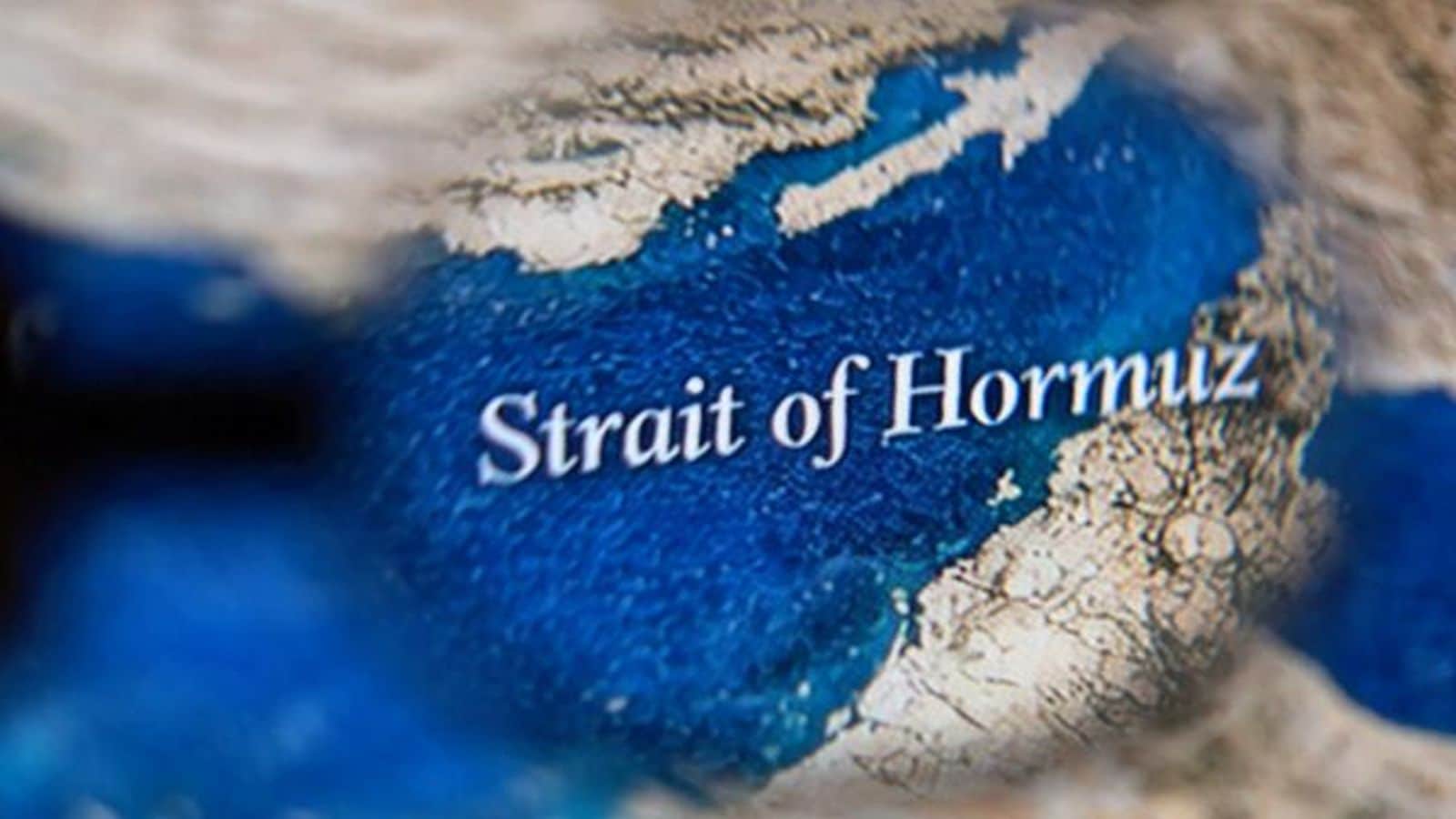
For nine straight nights, American bombers and warships have pounded targets across Iran. Radar sites, missile batteries, and coastal defense positions are burning. In response, Iranian forces and the Islamic Revolutionary Guard Corps (IRGC) have effectively turned the Strait of Hormuz into a no-go zone for commercial shipping, threatening to choke off a fifth of the world's daily petroleum supply.
If you think this is just another temporary flare-up in the Middle East, think again. The economics are shifting fast, and the geopolitical calculus is breaking down. Brent crude futures jumped over 3% to clear $90.79 a barrel in early Asian trading on Monday, while US West Texas Intermediate (WTI) climbed above $84.68. That follows a brutal 15% spike last week alone.
Here is what is actually going on, why previous military playbooks aren't working, and what this standoff means for global energy markets in 2026.
What Most People Get Wrong About the Hormuz Chokepoint
When news anchors talk about the Strait of Hormuz, they usually describe it as a simple sea lane that can be kept open if enough Navy destroyers patrol the water. That view is completely detached from maritime reality.
The Strait is narrow. At its tightest point, the shipping channels in and out are only two miles wide. You don't need a massive navy to shut down a two-mile lane. You just need a few dozen fast-attack boats, sea mines, anti-ship missiles, and cheap loitering drones.
Iranian strategy doesn't rely on defeating the US Navy in open water. Tehran knows it would lose a conventional fleet action in hours. Instead, they target commercial tankers. Insurance underwriters look at a burning vessel near Oman and immediately skyrocket their war-risk premiums—or pull coverage entirely.
Once shipping insurers refuse to write policies for transit, tanker captains anchor their ships. The waterway closes itself without Iran having to sink a single superpower warship.
That is exactly what we are seeing unfold right now. Over the weekend, transit numbers collapsed. Only a handful of vessels attempted the run. When insurance costs hit six figures per voyage or become unavailable, global trade halts regardless of how many carrier strike groups roam the Gulf of Oman.
Nine Nights of Airstrikes and No Way Out
US Central Command (CENTCOM) maintains that its nightly strikes are designed to protect innocent civilian crews and enforce freedom of navigation. They've targeted command posts, coastal missile silos, and drone launch facilities in port hubs like Bandar Abbas.
Yet military strikes haven't calmed the situation. They've accelerated it.
Iran's response has been fast and dispersed. Over the past 48 hours, retaliatory strikes hit energy facilities in neighboring Gulf states. Kuwait reported significant damage at a major petroleum complex after an Iranian strike, while regional air defenses intercepted drones over Bahrain.
The fragile ceasefire negotiated earlier this summer has completely shattered. Tehran explicitly warned that if the US naval blockade on Iranian ports continues, not a single drop of regional oil or gas will pass through the strait.
The political rhetoric from Washington hasn't left much room for diplomatic off-ramps either. Threats of targeting electrical power plants and domestic infrastructure mean Tehran feels it has little left to lose by maximizing economic pain across global markets.
The Brutal Math Behind Ninety Dollar Oil
Why are energy markets suddenly panicking after months of relatively stable trading? Because global inventories are dangerously thin.
Earlier this year, analysts assumed extra production capacity in other parts of the world could buffer short-term Middle Eastern disruptions. That assumption proved dead wrong.
- Depleted Buffers: Strategic reserves in Western nations sit near multi-year lows after previous releases.
- Tight Global Inventories: Unlike at the start of earlier conflicts, crude inventories across key global hubs are running at their tightest levels in five years.
- No Quick Swaps: You can't instantly reroute 20 million barrels per day of Persian Gulf crude through pipelines. The alternative pipelines through Saudi Arabia and the UAE have nowhere near enough capacity to absorb the full volume of a closed strait.
Barclays energy analysts noted this week that markets remained far too complacent about inventory drawdown risks. Now that reality is setting in, traders are scrambling to price in long-term supply deficits rather than brief operational delays.
When crude moves from $75 to over $90 in a fortnight, it isn't just oil companies making money. It acts as a direct tax on the entire global economy. Aviation fuel prices shoot up immediately. Diesel costs spike, raising transport expenses for groceries, manufacturing materials, and consumer goods worldwide.
The Shadow Fleet Factor
While official shipping through the strait has trickled to a near-halt, a massive parallel market continues to operate in the dark.
Over the past month, Iran managed to move tens of millions of barrels of crude out to international buyers using its "shadow fleet"—sanction-busting tankers operating with turned-off transponders and complex ship-to-ship transfers off East Asia.
This creates a bizarre economic dynamic. While legitimate commercial traffic from major exporters is blocked by war risks and naval blockades, illicit traffic continues to slip through under cover of night.
Washington's decision to tighten its maritime blockade aims directly at stopping these shadow shipments. But squeezing Iran's primary economic lifeline only incentivizes Tehran to escalate its attacks on legal shipping lanes. The harder the US presses the blockade, the more aggressive the IRGC becomes toward any vessel attempting normal transit.
What Happens Next for Global Markets
We are entering a volatile operational window. The next few weeks will determine whether crude settles into a permanent $90-$100 range or spikes toward historic highs.
Watch these specific indicators over the coming days:
- War-Risk Insurance Cancellations: If Lloyd's underwriters and international P&I clubs issue blanket exclusions for the Persian Gulf, tanker traffic will freeze entirely regardless of naval escorts.
- Infrastructure Targeting: Any confirmed strikes on oil processing terminals in Saudi Arabia, Kuwait, or the UAE will push prices past $100 almost instantly.
- Escort Operations: Pay attention to whether CENTCOM initiates formal convoy escorts for commercial vessels. Convoy operations slow down transit times dramatically, cutting effective shipping capacity even if no ships are struck.
The military strikes show no signs of stopping, and diplomatically, both sides have backed themselves into a corner. Until shipping lines can cross the Strait of Hormuz without facing missile strikes or losing insurance coverage, expect pain at the pump and continued chaos across global financial markets.
Keep a close eye on daily freight rates and CENTCOM operational briefs—that is where the real direction of energy prices will be decided.